
Most water leaks don’t announce themselves. They don’t burst dramatically or flood the living room overnight. They sit quietly behind walls, under slabs, or beneath the ground, wasting water and causing damage long before anyone realises what’s going on.
That’s the part that catches Australian homeowners off guard.
In a country that already deals with water restrictions, drought cycles, and rising utility costs, leaks are more than just an inconvenience. According to Water Corporation, a single hidden household leak can waste up to 20,000 litres of water every month. That’s not pocket change. It’s real money showing up on bills, month after month, with no obvious reason.
And the financial hit is only one side of it. Structural damage, mould growth, weakened foundations, even electrical risks can all trace back to a leak that went unnoticed for too long. That’s why more homeowners are choosing to bring in professional leak detection specialists early, instead of waiting until the damage becomes impossible to ignore.
The Real Risk of Leaks You Can’t See
Not all leaks drip under the sink. Some of the most expensive ones happen beneath concrete slabs, especially in older Australian homes or properties built on reactive clay soil. Pipes shift, joints weaken, and suddenly water starts eroding the ground under the house. Over time, that leads to cracks in walls, uneven floors, and in extreme cases, foundation movement.
Other leaks sit inside wall cavities or roof spaces. A small failure in flashing or a corroded pipe can create constant moisture, which is exactly what mould loves. The National Health and Medical Research Council has repeatedly highlighted links between damp indoor environments and respiratory issues like asthma and allergies.
Then there’s pest damage. Moist timber attracts termites, and once they move in, repair costs climb fast.
Insurance data backs this up. The Insurance Council of Australia reports water damage as one of the most common home insurance claims, averaging around $5,000 per incident. And many policies don’t cover gradual leaks if they’re considered “maintenance issues.” That’s a nasty surprise for homeowners who assumed insurance would handle it.
Why DIY Fixes Often Make Things Worse
It’s tempting to patch things up yourself. Tighten a fitting. Replace a washer. Ignore the slightly higher bill and hope it settles.
The problem is that visible signs usually aren’t the source. They’re symptoms.
By the time damp patches appear or paint starts bubbling, water has often been travelling elsewhere for weeks or months. Chasing it blindly can mean ripping out walls, lifting floors, or digging trenches without knowing if you’re even close.
That’s where professional detection makes a difference. Instead of guessing, specialists use tools designed to pinpoint the pinping the exact location of leak, without tearing the house apart first.
How Modern Leak Detection Actually Works
Leak detection today isn’t about intuition or trial and error. It’s technical, measured, and largely non-invasive.
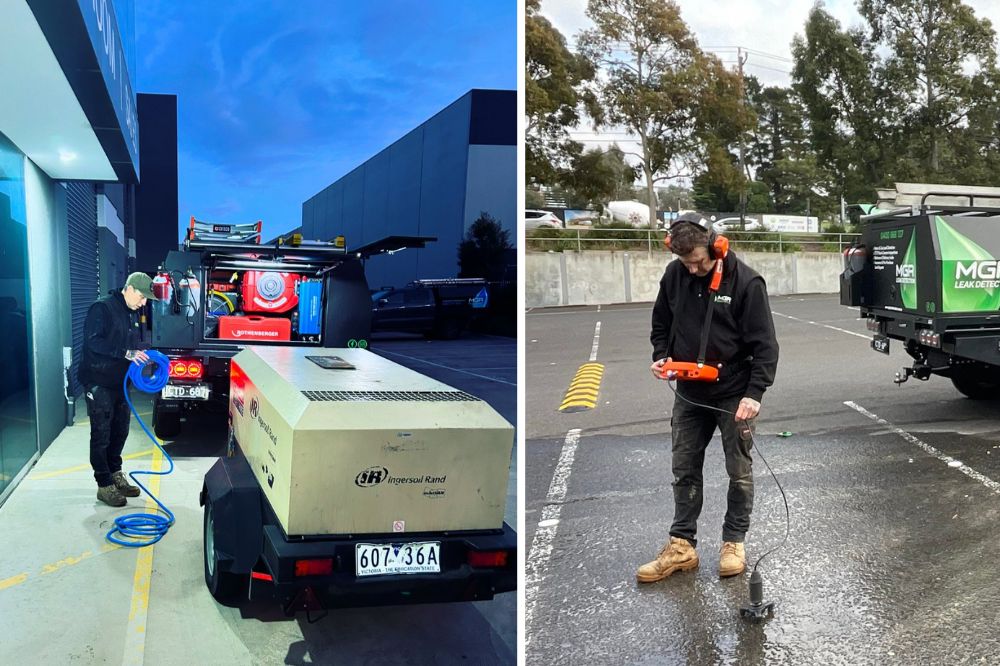
Acoustic listening devices pick up the sound of water escaping under pressure, even through concrete. Thermal imaging cameras show temperature differences where water is present behind walls or floors. Pressure testing reveals drops that indicate a breach somewhere in the system.
For complex underground leaks, tracer gas methods are often used. A harmless inert gas is introduced into the pipe, and sensors detect where it escapes. It’s precise and extremely effective, especially where other methods fall short.
Companies like MGR Leak Detection use these technologies daily. The goal isn’t just finding the leak, but doing it quickly, accurately, and without unnecessary damage to the property. Industry benchmarks from the Plumbing Industry Climate Action Centre suggest modern detection methods achieve accuracy rates above 95%.
The Cost Argument That Changes Minds
Some homeowners hesitate at the upfront cost of professional detection. On average, a full inspection might cost between $300 and $600.
But compare that with the alternative.
Prolonged slab leaks can lead to repairs exceeding $10,000, especially if structural remediation or rewiring is required. Early detection allows for targeted solutions, such as pipe relining, which seals cracks internally without excavation.
There’s also the water savings. The Bureau of Meteorology estimates Australians use about 300 litres per person per day. Leaks can inflate household usage by 10–20% nationally. Fixing them isn’t just cheaper — it aligns with sustainability goals and, in some states, may qualify homeowners for water-saving rebates.
When It’s Time to Call a Leak Detection Specialist
Not every leak announces itself clearly, but there are warning signs worth paying attention to.
Unexplained increases in water bills. Musty smells that don’t go away. Warped flooring or bubbling paint. The sound of water when all taps are off. Even warm patches on concrete slabs can indicate hot water leaks underneath.
Older homes are especially vulnerable. Galvanised iron pipes, common in houses built decades ago, often corrode after 20 to 30 years. Seasonal changes also play a role. Summer heat expands pipes, winter cold stresses exposed sections.
Calling a licensed leak detection specialist early can prevent small issues from becoming disruptive, expensive repairs later on.
Prevention Is Still the Best Strategy
Professional detection works best when combined with good habits.
Fix dripping taps promptly. Insulate exposed pipes. Install dual-flush toilets. Use smart water meters that alert you to unusual usage patterns. These steps don’t replace specialists, but they help catch problems sooner.
Regular inspections, especially in older properties, are becoming more common for a reason. They turn surprises into planned maintenance.
A Smarter Way to Protect Australian Homes
Homeowners across Australia are investing in professional leak detection specialists because the logic is simple. Early action protects health, saves money, preserves property value, and reduces water waste.
With trusted providers like MGR Leak Detection, homeowners gain clarity instead of guesswork. In a time of rising costs and environmental pressure, that clarity isn’t a luxury. It’s part of responsible home ownership.