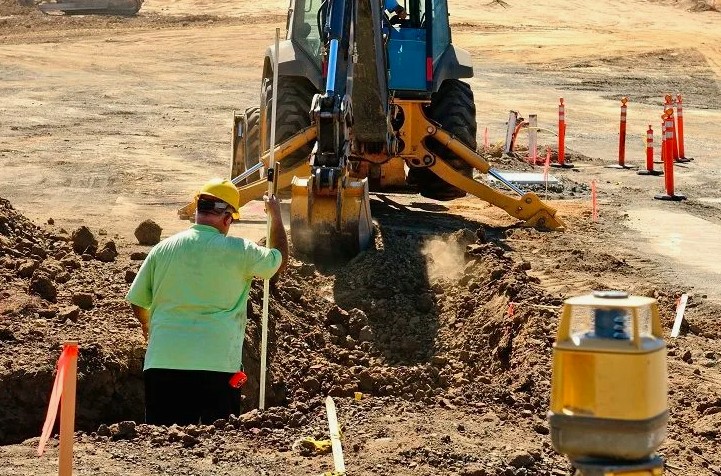

When starting any construction project—whether residential, commercial, or industrial—what happens below the surface is just as important as what gets built above it. That’s where a professional excavation contractor comes in. From preparing the land to ensuring proper drainage and foundation support, excavation is the backbone of safe and successful construction.
Many people underestimate the complexity of excavation work, assuming it’s just about moving dirt. In reality, it requires technical knowledge, specialized equipment, and strict adherence to safety and environmental regulations. Choosing the right excavation contractor can save time, money, and major headaches down the road.
What Does an Excavation Contractor Do?
An excavation contractor is responsible for preparing a site before construction begins. Their work often includes land clearing, grading, trenching, and soil removal. These tasks ensure that the site is stable, level, and ready to support structures like homes, office buildings, roads, or pipelines.
Beyond digging, excavation contractors also assess soil conditions, identify underground utilities, and manage drainage solutions. Improper excavation can lead to structural instability, water damage, or even legal issues if underground lines are disturbed. That’s why skilled contractors use advanced surveying tools and follow strict planning procedures before any digging begins.
Key Services Offered by an Excavation Contractor
1. Site Preparation
Before construction can begin, the land must be cleared of trees, debris, rocks, and existing structures. Excavation contractors handle this process efficiently while minimizing environmental impact.
2. Grading and Leveling
Grading ensures the ground is level and slopes properly to prevent water pooling near structures. Proper grading is essential for foundation longevity and site safety.
3. Trenching
Trenches are required for utilities such as water lines, sewer systems, gas pipes, and electrical conduits. An experienced excavation contractor ensures trenches are dug to the correct depth and comply with local codes.
4. Foundation Excavation
Preparing the ground for a building’s foundation requires precision. Contractors must dig according to engineering specifications to provide a stable base.
5. Drainage Solutions
Water management is a critical part of excavation. Contractors install drainage systems to protect structures from erosion and flooding.
Why Experience Matters in Excavation
Excavation is not a one-size-fits-all job. Soil composition, weather conditions, and project size all influence how work should be performed. An experienced excavation contractor understands how different soil types behave and can adjust techniques accordingly.
For example, clay-heavy soil retains water and may expand, while sandy soil drains quickly but may lack stability. Misjudging these factors can result in foundation cracks or shifting ground. Experienced contractors know how to reinforce and prepare soil to prevent such issues.
They also know how to handle unexpected challenges, such as discovering buried debris, groundwater, or unmarked utility lines. Their ability to problem-solve on-site keeps projects on schedule and within budget.
Equipment and Technology
Modern excavation contractors use a variety of heavy machinery, including excavators, bulldozers, backhoes, and skid steers. Each machine serves a specific purpose, from large-scale earthmoving to precise digging in tight areas.
Technology has also improved the accuracy of excavation work. GPS-guided equipment and laser leveling tools allow contractors to dig and grade with incredible precision. This reduces errors and ensures the project aligns perfectly with design plans.
Safety and Compliance
Excavation work carries inherent risks, including cave-ins, equipment accidents, and utility strikes. A professional excavation contractor prioritizes safety through proper training, protective systems, and adherence to regulations.
They secure necessary permits, follow local building codes, and ensure all work meets environmental guidelines. Hiring a licensed and insured contractor protects both property owners and workers from liability.
Cost vs. Value
While it might be tempting to cut costs by hiring unlicensed operators or attempting DIY excavation, mistakes can be extremely expensive to fix. Improper grading can cause flooding, and poorly dug foundations can lead to structural failure.
A qualified excavation contractor provides long-term value by doing the job correctly the first time. Their expertise helps avoid delays, repair costs, and potential legal issues.
Choosing the Right Excavation Contractor
When selecting a contractor, look for:
-
Proper licensing and insurance
-
Proven experience with similar projects
-
Positive client reviews and references
-
Clear project estimates and timelines
-
Strong communication and planning skills
A reliable excavation contractor will walk you through the process, explain potential challenges, and provide transparent pricing.
FAQs About Excavation Contractors
1. How early should I hire an excavation contractor?
You should hire an excavation contractor during the planning phase of your project. Early involvement helps identify site challenges and ensures accurate budgeting.
2. How long does excavation take?
The timeline depends on the project size, soil conditions, and weather. Small residential jobs may take a few days, while large commercial sites can take weeks.
3. Do excavation contractors handle permits?
Many professional excavation contractors assist with obtaining necessary permits and ensuring the project complies with local regulations.
4. What happens if underground utilities are found?
Experienced contractors use utility locating services before digging. If unknown utilities are discovered, work stops until they are safely addressed.
5. Is excavation work environmentally regulated?
Yes, excavation must comply with environmental laws related to erosion control, runoff, and land disturbance. Contractors implement measures to protect surrounding areas.
Conclusion
A skilled Foundation Drainage Services plays a crucial role in the success of any construction project. Their work forms the literal foundation upon which everything else is built. From site preparation and grading to safety compliance and drainage planning, their expertise ensures stability, efficiency, and long-term durability.