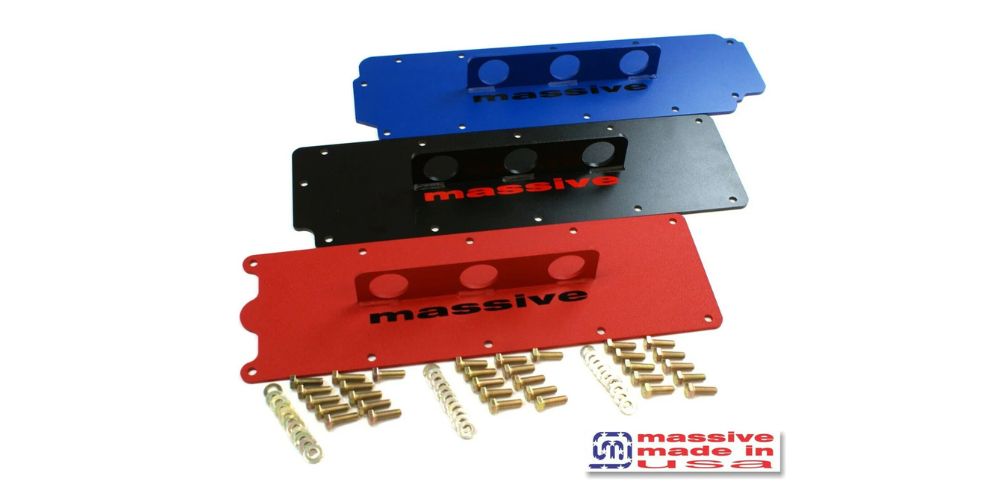

Pulling an engine for the first time feels like a rite of passage for any gearhead. You stand in the garage looking at a mountain of greasy iron, wondering how to get it from the engine bay to the stand without dropping it. Most novices start their search for tools at a local budget shop. That is where many encounter the Harbor Freight engine lift plate for the initial time. It looks simple. It looks affordable. Most importantly, it promises to turn a terrifying task into something manageable.
The Low Cost Entry Point for Beginners
Budget often dictates how a first engine swap begins. Nobody wants to spend hundreds of dollars on specialized rigging gear for a project that might take months. Harbor Freight thrives because their price point lowers the barrier to entry for hobbyists. A beginner sees a thick piece of steel that costs less than a tank of gas. That price makes the decision easy. It feels like a low-risk investment for a high-stakes job. New builders often worry about ruining their car or hurting themselves. Buying a tool that looks beefy enough to handle the weight provides a sense of security.
Simplicity Beats Complicated Chains and Slings
Chains are messy and difficult to balance. If you use a four-point chain setup, you spend half your time adjusting links to get the engine level. A motor lift plate eliminates that frustration immediately. You bolt it directly to the intake manifold flange. It centers the weight perfectly. For someone who has never balanced a V8 on a crane, this predictable center of gravity is a massive relief. It removes the guesswork. You don’t have to worry about a chain slipping or marring the paint on your firewall. The direct bolt-on nature of the plate gives a novice a clear, stable lifting point every single time.
Space Efficiency in Tight Garages
Working in a cramped home garage requires tools that stay out of the way. Large load levelers are bulky and heavy. They take up vertical space that most residential garages don’t have. When you use a plate, the hook sits much closer to the engine. This gives you extra inches of clearance at the top of the hoist’s travel. Those few inches represent the difference between clearing the radiator support and getting stuck halfway out. First-timers often overlook how much ceiling height matters. A plate keeps the profile low and the movements controlled.
Why the Intake Manifold Mount Works
- It uses existing bolt holes which prevents the need for drilling or sketchy rigging.
- The flat surface area distributes the pulling force across the entire manifold flange.
- Gravity works with the design to keep the engine from tilting unexpectedly.
- Installation takes less than five minutes with basic hand tools.
- It leaves the sides of the block open for grabbing and guiding the motor.
Avoiding Damage to Ancillary Components
When you wrap chains around an engine, you risk crushing sensors, fuel rails, or valve covers. A beginner might not realize how fragile those parts are until they hear a snap. Using a lift plate keeps the lifting hardware away from the delicate bits. The force stays concentrated on the strongest part of the upper block. This protection saves money and headaches later in the build. You won’t be scouring forums for a replacement vacuum fitting that got snapped by a stray link. It keeps the workspace clean and the engine’s exterior intact.
Key Factors for a Successful First Pull
- Ensure the manifold bolts are threaded in at least three-quarters of an inch for maximum grip.
- Clear all wiring harnesses and ground straps before you start pumping the hydraulic jack.
- Keep a floor jack under the transmission to support the tail shaft as the engine moves forward.
- Always use a second pair of eyes to watch the rear of the block for snags.
- Clean the mounting surface of the intake to ensure the plate sits perfectly flush.
The Reliability of Solid Steel Construction
There are no moving parts to fail on a basic lifting plate. Unlike a hydraulic leveler that might leak or a ratcheting strap that could fray, a steel plate is static. It is a hunk of metal that does one job. For a first-timer, fewer moving parts mean fewer points of failure. This simplicity is the ultimate form of reliability. You don’t need to calibrate it or maintain it. You just bolt it on and go to work. That “set it and forget it” mentality allows the builder to focus on the actual mechanical work of disconnecting the car from the drivetrain.
Conclusion
Success in the garage starts with having the right equipment for the task at hand. While budget options get people through the door, long-term projects often require specialized solutions that prioritize precision and durability. EngineLiftPlates serves this exact need by providing high-quality lifting hardware directly to enthusiasts through their online store. Their focus remains on delivering robust plates designed to withstand the rigors of frequent garage use. By shopping with a dedicated provider, builders ensure they receive gear manufactured specifically for engine management. They offer a streamlined purchasing experience for those ready to move beyond basic entry-level tools. Selecting professional-grade equipment from a specialized source like EngineLiftPlates ensures that every pull is as safe as it is efficient.