
Homes in Spring and The Woodlands often share similar construction timelines and plumbing materials. Many properties in these areas were built during periods when galvanized steel piping was widely used. While this material was once considered durable, decades of use have revealed limitations that now make replacement a common necessity. As pipes age, corrosion, reduced water flow, and leak risks become more apparent.
Galvanized pipe replacement has become a frequent topic among homeowners seeking long term plumbing reliability. Understanding why these pipes fail and how replacement improves system performance helps homeowners make informed decisions about modernization.
The History of Galvanized Pipes in Local Housing
Galvanized steel pipes were commonly installed in homes built from the 1950s through the 1980s. The zinc coating applied to these pipes was intended to slow corrosion and extend service life. Over time, however, the protective layer wears away.
Once exposed, steel reacts with water and minerals, leading to internal rust. This corrosion gradually restricts water flow and weakens the pipe walls. Homes in Spring and The Woodlands that still rely on original galvanized systems often experience these age related issues.
How Corrosion Develops Inside Galvanized Pipes
Corrosion inside galvanized pipes begins slowly and remains hidden for years. Mineral deposits accumulate along rough interior surfaces, narrowing the pipe diameter. As rust forms, flakes may break loose and travel through the system.
This internal buildup reduces water pressure and affects water clarity. Homeowners may notice discolored water, metallic taste, or uneven flow across fixtures. These symptoms often signal advanced deterioration.
Reduced Water Pressure and Performance Issues
One of the most common complaints associated with galvanized piping is declining water pressure. As corrosion builds, water struggles to move freely through the system.
Pressure loss often becomes noticeable in showers and outdoor fixtures. In multi fixture homes, simultaneous use can lead to significant drops in flow. These performance issues prompt many homeowners to consider replacement rather than repeated adjustments.
Leak Risks in Aging Galvanized Systems
As galvanized pipes corrode, their structural integrity weakens. Thin sections of pipe are more likely to develop leaks, especially at joints and bends.
Leaks may occur inside walls, beneath floors, or under slab foundations. Because damage often remains hidden, water can cause extensive deterioration before detection. Replacing galvanized pipes reduces the risk of unexpected leaks and related property damage.
Local Soil Conditions and Pipe Stress
Soil movement in the region contributes to plumbing stress. Expansive clay soils expand and contract with moisture changes, placing pressure on rigid piping materials.
Galvanized pipes lack flexibility and do not adapt well to ground movement. Over time, shifting soil can cause joints to loosen or pipes to crack. Homes in Spring and The Woodlands are particularly affected due to regional soil characteristics.
Water Quality Concerns
Corrosion inside galvanized pipes affects water quality. Rust particles and sediment can discolor water and stain fixtures. In some cases, these particles contribute to appliance wear.
Replacing aging pipes improves water clarity and consistency. Clean water delivery supports household health and protects plumbing fixtures from damage caused by sediment.
Why Replacement Is Often Preferred Over Repair
Targeted repairs may address individual leaks, but they do not resolve system wide deterioration. When one section of galvanized pipe fails, other sections are often close behind.
Repeated repairs become costly and disruptive. Homeowners frequently choose full replacement to eliminate ongoing issues and restore overall system performance. This approach provides predictability and long term reliability.
Modern Materials and System Upgrades
Modern plumbing materials offer advantages over galvanized steel. Flexible piping systems resist corrosion and tolerate movement better than rigid metal pipes.
These materials allow for more efficient routing through walls and ceilings. Reduced reliance on under slab placement lowers the risk of hidden leaks. System upgrades improve access for future maintenance.
Homeowners often consult repiping specialists near New Caney to evaluate modern material options suitable for local conditions.
Real Estate Considerations in Spring and The Woodlands
Plumbing condition influences property value and buyer confidence. Homes with outdated galvanized systems may raise concerns during inspections.
Replacing aging pipes enhances market appeal and reduces negotiation hurdles. Buyers prefer homes with updated infrastructure that minimizes future maintenance needs.
Modernized plumbing supports smoother transactions and competitive pricing.
Local Experience and Regional Knowledge
Plumbing solutions must account for local construction practices and environmental factors. Understanding housing age, soil behavior, and municipal water characteristics is essential.
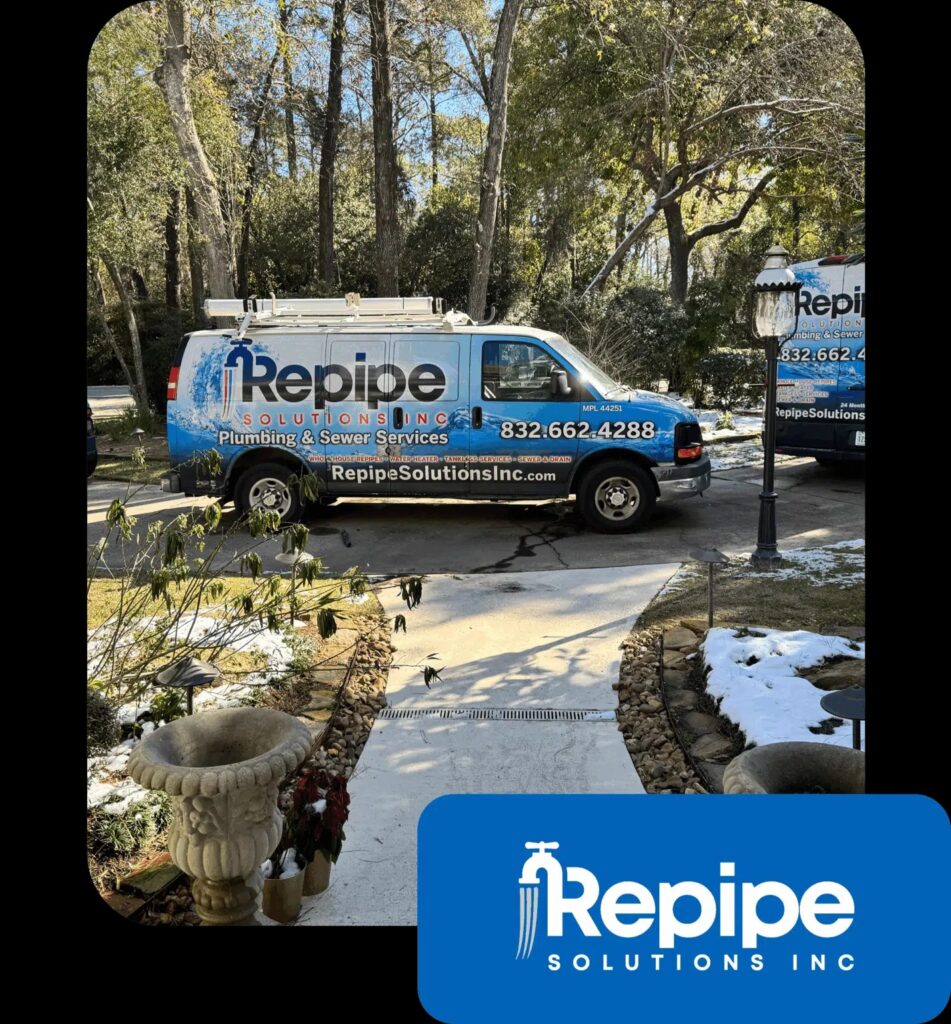
Repipe Solutions Inc provides plumbing system replacement services informed by regional conditions. The company works with homeowners across Spring, The Woodlands, and surrounding suburbs to address aging infrastructure.
Many homeowners seek guidance from repiping specialists near New Caney who understand local challenges and material performance.
Long Term Cost Considerations
While replacement represents an investment, it often reduces long term costs. Eliminating recurring leaks and pressure issues lowers maintenance expenses.
Improved system efficiency supports stable water flow and reduces strain on fixtures. Over time, these benefits offset the initial upgrade cost.
Choosing repiping specialists near New Caney helps homeowners plan projects that align with budget and long term goals.
Environmental and Efficiency Benefits
New plumbing systems improve efficiency by reducing water loss from leaks. Stable pressure and smoother pipe interiors support efficient use.
Efficiency benefits contribute to reduced utility waste and improved household performance. Modern systems align with current expectations for sustainable infrastructure.
Planning a Replacement Project
Successful replacement begins with thorough assessment. Evaluating pipe condition, layout, and access points helps determine scope and timing.
Professional planning minimizes disruption and ensures compliance with current standards. Homeowners benefit from clear timelines and realistic expectations.
Working with repiping specialists near New Caney allows homeowners to approach replacement proactively rather than reacting to failures.
Conclusion
Galvanized pipe replacement is common in Spring and The Woodlands due to aging materials, corrosion, soil movement, and performance limitations. As systems deteriorate, homeowners face reduced pressure, leak risks, and water quality concerns.