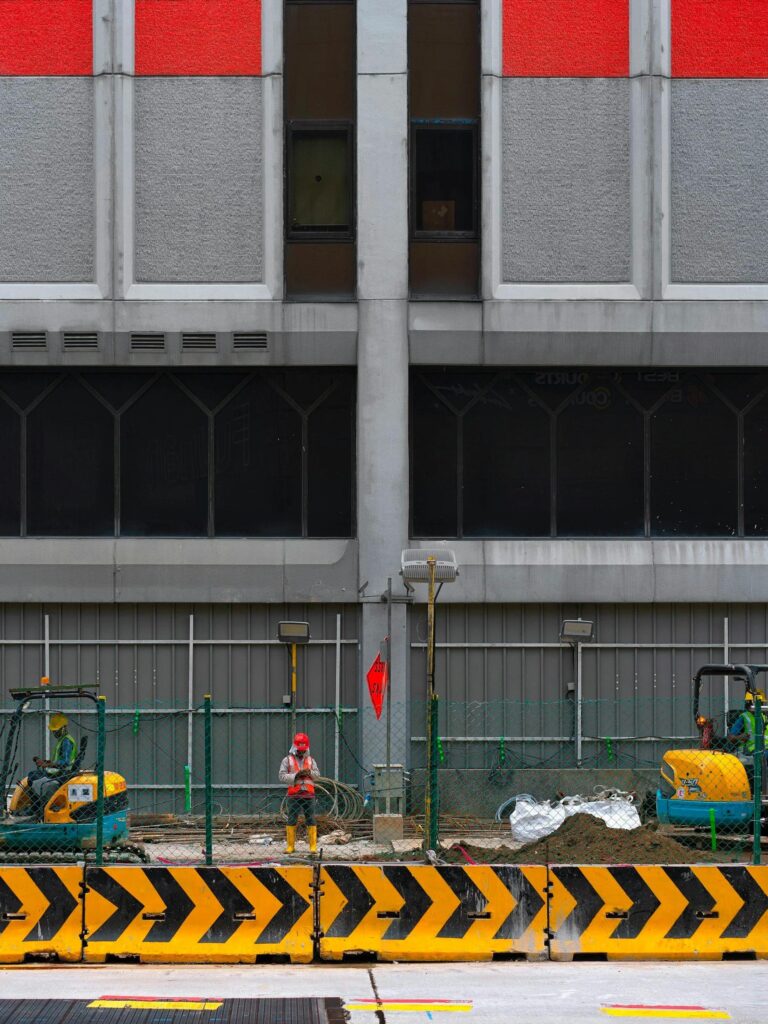

Worksites located near roads, footpaths, or busy public areas come with a unique responsibility, ensuring the safety of workers, drivers, and pedestrians. Whether it’s road construction, maintenance, utility work, or an infrastructure project, traffic disruptions can quickly turn hazardous without proper planning.
That’s where a Traffic Management Plan (TMP) becomes essential. A well-designed plan helps control traffic flow, minimise risks, and maintain smooth movement around work zones. It provides clear guidelines for traffic controllers, signage placement, and temporary road adjustments to keep everyone safe.
In Australia, safety regulations and compliance standards require careful traffic planning before work begins. Understanding how these plans work can help businesses manage projects more efficiently while protecting the public.
What Is a Traffic Management Plan?
A Traffic Management Plan is a document that explains how traffic will be managed around a worksite. It helps spot potential risks, manage the safe flow of vehicles, and uses signs, barriers, and traffic controllers to keep drivers, workers, and pedestrians safe.
The plan typically includes:
- Road layout adjustments
- Placement of warning and directional signage
- Speed reduction zones
- Pedestrian pathways
- Worker safety measures
- Traffic controller positions
These elements work together to reduce confusion for motorists and pedestrians while allowing work crews to operate safely.
A properly prepared Tmp Traffic Management Plan ensures that temporary changes to roads or pathways are clearly communicated and professionally managed.
Why Traffic Management Planning Is Important
Traffic disruptions can create dangerous situations if not properly controlled. Without a structured plan in place, drivers may face sudden lane closures, unclear detours, or unexpected obstacles.
Traffic management planning is important for several reasons:
1. Protecting Workers on Site
Construction and maintenance workers often work very close to moving traffic, which can be dangerous. Proper traffic management helps guide vehicles safely around the work area and keeps them at a safe distance, reducing the risk of accidents.
Clear signage, barriers, and trained traffic controllers help maintain safe distances between workers and vehicles.
2. Keeping Drivers and Pedestrians Safe
When roads change suddenly due to construction or repairs, drivers can become confused or distracted. A well-designed traffic plan provides advance warning and clear directions so road users know what to expect.
Pedestrian safety is also a key factor. Temporary pathways and clear signage help people navigate safely around worksites.
3. Maintaining Traffic Flow
While safety is the top priority, traffic planning also helps reduce congestion and delays. Strategic lane closures, detours, and timing adjustments allow vehicles to move through or around work zones as efficiently as possible.
This balance between safety and efficiency is essential, especially in busy urban areas.
Key Components of an Effective Traffic Management Plan
Not all traffic management plans are the same. Each project has different conditions, risks, and traffic volumes that must be considered.
However, several key components are commonly included in a professional plan.
Site Assessment
Before developing a plan, a detailed assessment of the site is conducted. This involves analysing traffic patterns, road conditions, pedestrian activity, and nearby infrastructure.
The assessment helps identify potential hazards and determine the most appropriate traffic control strategies.
Signage and Communication
Clear and visible signage is essential. Signs warn drivers of upcoming roadworks, speed reductions, lane changes, or detours.
Effective communication reduces confusion and allows road users to adjust their driving behaviour before reaching the worksite.
Traffic Controllers
In many situations, trained traffic controllers are required to manage vehicle flow manually. They guide drivers through restricted areas and ensure safe movement during lane closures or equipment operations.
Temporary Road Modifications
Temporary lane shifts, barriers, and cones may be used to redirect traffic safely around the worksite. These modifications help create a buffer zone between vehicles and workers.
Compliance with Australian Safety Standards
Australia has strict regulations for roadwork safety. Traffic management plans must comply with state guidelines and national safety standards.
These standards ensure that traffic control measures are consistent, reliable, and clearly understood by drivers across different regions.
A properly prepared Tmp Traffic Management Plan takes these regulations into account, ensuring that projects meet compliance requirements while prioritising safety.
Failure to follow approved traffic management procedures can lead to fines, project delays, or increased safety risks.
When Is a Traffic Management Plan Required?
Traffic management plans are typically required whenever work affects public roads, pedestrian pathways, or shared spaces.
Common scenarios include:
- Road construction or resurfacing
- Utility installation or repairs
- Infrastructure upgrades
- Events that affect road access
- Building construction near busy streets
Even short-term work may require temporary traffic control if it affects normal road conditions.
Planning ahead ensures that safety measures are ready before work begins.
Benefits of Professional Traffic Management Planning
Hiring experienced professionals to develop traffic management plans offers several advantages.
Firstly, experts understand regulatory requirements and ensure the plan meets all compliance standards.
Secondly, they can design efficient traffic control solutions that minimise disruption to the public.
Finally, professional planning improves safety outcomes by identifying risks that may not be immediately obvious.
This proactive approach helps projects run smoothly while maintaining public confidence.
Final Thoughts
Traffic management planning plays a critical role in keeping worksites safe and organised. By carefully assessing risks, managing traffic flow, and implementing clear safety measures, businesses can protect workers and the public while keeping projects on schedule.
Working with experienced professionals ensures that traffic control strategies are both compliant and effective. For businesses seeking reliable traffic planning solutions, providers such as OnPoint TGS Plans specialise in creating safe and practical traffic management strategies for a wide range of projects.