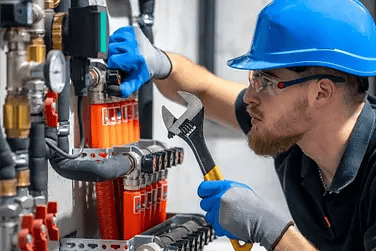

Running a dive centre isn’t just about offering thrilling underwater adventures. The safety and satisfaction of your divers hinge on equipment reliability. One critical aspect is the compressor, the heart of your air supply. But why should you consider enroling in comprehensive compressor maintenance training? Let’s explore the benefits and why it matters for your dive centre’s success.
Importance of Compressor Maintenance Training
Compressor Maintenance Training for Dive Centres isn’t just a technical skill—it’s a lifeline. You see, compressors ensure that divers have a safe, breathable air supply. Without regular upkeep, they can malfunction, posing serious risks. Think about it, would you want any of your divers to face equipment failure deep underwater? I doubt it. That’s why knowing how to maintain your compressors is crucial.
Take, for instance, a dive centre in Cornwall that faced multiple cancellations due to compressor issues. They lost revenue and customer trust. Had their staff been trained, they could have avoided these problems. Here’s the kicker: training isn’t just about fixing issues. It’s about preventing them. Regular checks and maintenance can extend the life of your equipment, saving money in the long run.
Pro Tip: Schedule monthly maintenance checks. This keeps your compressors in top shape and reduces unexpected breakdowns.
- Pros: Enhances safety, boosts reliability, reduces costs.
- Cons: Initial investment of time and money.
Professional Scuba Technician Certification
Getting certified as a Professional Scuba Technician is like earning a badge of honour. It’s a mark of expertise that tells clients, “We’ve got you covered.” But what does this certification entail? Essentially, it teaches you the ins and outs of compressor systems, including troubleshooting common issues.
Imagine running a dive centre off the coast of Scotland. You’re in the middle of a busy weekend, and suddenly, your compressor stops working. Panic sets in. But if you’ve got certified technicians on hand, they can spring into action, diagnose the problem, and get things running smoothly again.
Pro Tip: Keep a checklist of common compressor issues and solutions. It speeds up the troubleshooting process.
- Pros: Builds credibility, improves service quality, enhances problem-solving skills.
- Cons: Requires ongoing education and certification renewal.
Boosting Dive Centre Reputation
Your dive centre’s reputation is everything. Word of mouth travels fast, especially in niche communities like diving. So, how do you ensure your centre is the talk of the town—for all the right reasons? By offering top-notch service and safety. When clients know your compressors are well-maintained, they feel more secure. They trust you more.
Consider a dive centre in Brighton that was praised for its meticulous equipment maintenance. Their bookings soared because divers spread the word about their positive experiences. Honestly, having trained technicians is a selling point. It shows you’re serious about quality and safety.
Pro Tip: Encourage satisfied divers to leave reviews mentioning your safety standards. It builds social proof.
- Pros: Increases customer loyalty, attracts new clients, enhances brand image.
- Cons: Requires consistent effort and investment in training.
Cost-Effectiveness of Training
Now, you might wonder if training is worth the expense. Let’s break it down. Training might seem costly at first, but think long-term. Proper maintenance reduces breakdowns, saving on repair costs. It also extends the lifespan of expensive equipment, delaying the need for replacements.
A dive centre in Wales reported a 30% reduction in repair costs after implementing regular training. They managed to save thousands annually. So, while there’s an upfront cost, the return on investment is clear.
Pro Tip: Track maintenance costs before and after training to measure the financial impact.
- Pros: Reduces long-term expenses, increases equipment lifespan.
- Cons: Initial financial outlay and time commitment.
Enhancing Safety Standards
Safety isn’t just a box to tick; it’s a priority. By investing in compressor maintenance training, you elevate your safety standards. Trained technicians can spot potential hazards before they become problems. They ensure that every dive is as safe as possible.
For example, a London-based dive centre experienced zero incidents after their staff underwent training. They identified and rectified issues that could have led to dangerous situations. So, investing in safety is worth every penny.
Pro Tip: Conduct regular safety drills to reinforce training and readiness.
- Pros: Prevents accidents, builds client trust, promotes a culture of safety.
- Cons: Requires ongoing commitment and diligence.
Increasing Efficiency
Efficiency is key in any business, and dive centres are no exception. Well-maintained compressors perform better, ensuring a smooth diving schedule. With trained staff, you minimise downtime, keeping your operations running like clockwork.
Consider a busy dive centre in Liverpool that streamlined operations after training. They reduced compressor-related delays, accommodating more divers each day. This efficiency translates to better customer experiences and higher revenue.
Pro Tip: Implement a routine maintenance schedule to keep operations smooth and efficient.
- Pros: Maximises operational time, enhances customer satisfaction, boosts profits.
- Cons: Requires disciplined scheduling and staff coordination.
Keeping Up with Technological Advancements
Technology doesn’t stand still, and neither should your knowledge. Compressor technology evolves, offering new features and benefits. Training ensures you and your staff stay updated with the latest advancements. This knowledge helps you choose the best equipment and maintain it effectively.
For instance, a dive centre in Manchester upgraded to a new compressor model. Thanks to their training, the transition was smooth, and they utilised the new features to improve service.
Pro Tip: Attend industry expos and workshops to stay abreast of technological changes.
- Pros: Keeps you competitive, enhances equipment usage, improves service offerings.
- Cons: Requires time for learning and adaptation.
Building a Skilled Team
Having a skilled team is invaluable. When everyone knows their role and can handle technical challenges, your dive centre runs smoothly. Training empowers your staff with the confidence and skills needed to tackle compressor issues effectively.
A dive centre in Glasgow found that training boosted team morale and cohesion. Staff felt valued and capable, resulting in a more positive work environment. This, in turn, improved their service delivery.
Pro Tip: Foster a culture of learning by encouraging ongoing skill development and knowledge sharing.
- Pros: Enhances team morale, increases problem-solving capabilities, improves service quality.
- Cons: Requires a commitment to continuous training and development.
Future-Proofing Your Dive Centre
Looking ahead, the diving industry will continue to grow and change. By investing in compressor maintenance training now, you future-proof your dive centre. You stay ahead of the curve, ready to adapt to new trends and challenges.
A proactive dive centre in Edinburgh embraced this mindset. They regularly updated their training, ensuring they remained leaders in safety and service. This foresight secured their place in the competitive market.
Pro Tip: Regularly review and update training programmes to align with industry trends and innovations.
- Pros: Ensures long-term success, maintains competitive edge, adapts to industry changes.
- Cons: Requires a forward-thinking approach and investment.
Frequently Asked Questions
Why is compressor maintenance training important for dive centres?
Training ensures compressors function safely and efficiently, reducing the risk of equipment failure and improving diver safety.
What does a Professional Scuba Technician Certification involve?
This certification covers compressor systems, including maintenance, troubleshooting, and safety protocols to enhance technical skills.
How can training improve my dive centre’s reputation?
Clients prefer centres prioritising safety and reliability, leading to positive reviews and increased customer loyalty.
Is the investment in training worth it?
Yes, training reduces long-term costs, prolongs equipment lifespan, and enhances service quality, offering a substantial return on investment.
Can training help with adopting new compressor technology?
Absolutely. Training keeps your team updated on the latest advancements, ensuring you make the most of new technologies.