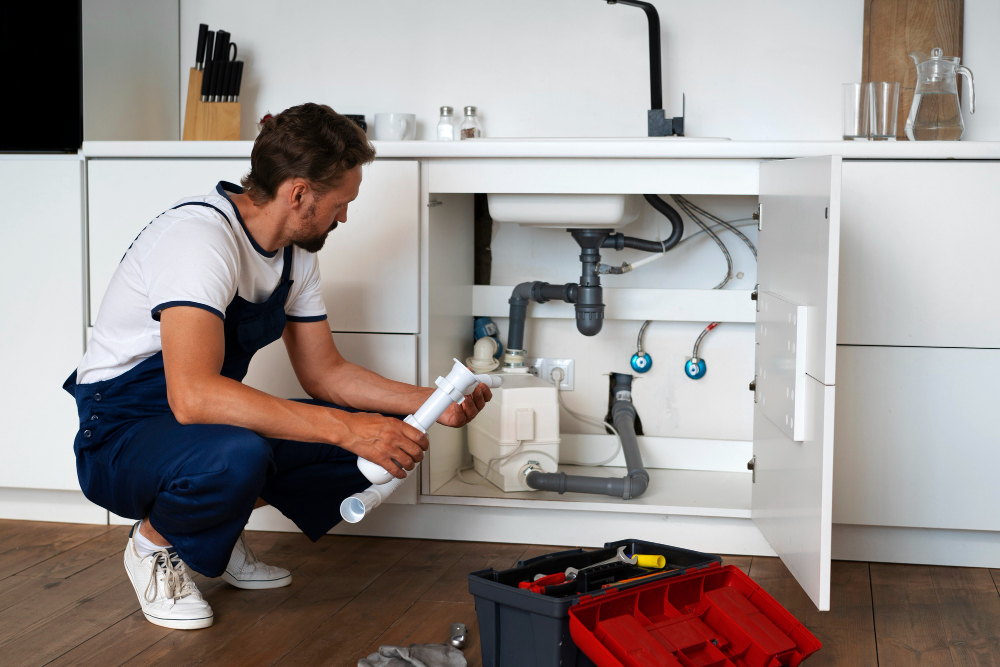

Drain problems have a way of returning just when it feels like everything is finally working smoothly. A slow sink, recurring clogs, or unpleasant odors are often treated as one-time inconveniences, but in many homes, they signal deeper issues within the plumbing system. What makes this even more frustrating is that quick fixes rarely address the root cause, leading to repeated disruptions over time.
Understanding why these problems persist is the first step toward a lasting solution. Many drainage systems gradually accumulate buildup from everyday use. Grease, soap residue, and debris can cling to pipe walls, narrowing the passage for water flow. Over time, this restriction worsens, eventually leading to slow drainage or complete blockages.
The Hidden Causes Behind Stubborn Clogs
While surface-level clogs may seem easy to fix, the underlying causes are often more complex. In some cases, blockages form deeper within the plumbing system, beyond the reach of basic tools. These hidden obstructions can restrict water flow without being immediately noticeable, creating recurring issues that seem unpredictable.
Another common factor is the condition of the pipes themselves. Aging or damaged pipes can develop rough interior surfaces that trap debris more easily. Even small imperfections can contribute to long-term buildup, making it difficult to maintain clear drainage without proper intervention.
External factors can also play a role. Tree roots, for example, can infiltrate underground pipes, causing persistent blockages that worsen over time. These issues require more than temporary solutions—they demand a thorough approach to restore proper function.
Why Quick Fixes Often Fall Short
Many homeowners rely on store-bought solutions or basic tools to handle drain issues. While these methods may provide temporary relief, they rarely address the deeper causes of the problem. Chemical cleaners, for instance, can break down some types of buildup, but they often fail to remove more stubborn obstructions.
In some cases, repeated use of these quick fixes can even contribute to long-term damage. Harsh chemicals may weaken pipes, increasing the risk of leaks or structural issues. This creates a cycle where the original problem persists while new complications begin to emerge.
The key difference between a temporary fix and a lasting solution lies in the depth of the cleaning process. Surface-level treatments simply cannot reach the areas where the most significant buildup occurs.
What Effective Drain Cleaning Really Looks Like
A more comprehensive approach to drain cleaning focuses on removing buildup throughout the entire system, not just at the point of blockage. This process ensures that water can flow freely without encountering hidden obstructions along the way.
Thorough cleaning methods are designed to clear away accumulated debris, restore the internal diameter of pipes, and improve overall drainage performance. By addressing the root cause rather than the symptoms, this approach reduces the likelihood of recurring issues.
For those looking to understand how professional solutions differ from basic fixes, resources like Armorair provide insight into how deeper cleaning techniques can restore proper drainage and prevent future problems.
The Connection Between Water Quality and Drain Performance
Drain issues are not always caused by visible debris. In many cases, water quality plays a significant role in how quickly buildup forms inside pipes. Minerals and other elements in the water supply can contribute to residue accumulation, especially when combined with everyday substances like soap and grease.
Over time, this combination can create a stubborn layer inside pipes, making it easier for clogs to develop. Addressing water quality concerns can therefore be an important step in maintaining a healthy plumbing system.
Solutions related to water treatment, such as water softener repair Indianapolis, can help reduce the impact of mineral buildup, supporting better long-term performance for both pipes and drains.
Signs That It’s Time for a More Thorough Solution
Recurring drain problems rarely resolve on their own. Recognizing the warning signs early can help prevent more serious complications down the line. Slow drainage, frequent clogs, and persistent odors are all indicators that the issue extends beyond a simple blockage.
Ignoring these signs can lead to increased pressure within the plumbing system, potentially causing leaks or damage. Taking action early not only improves day-to-day convenience but also helps protect the overall integrity of the system.
A proactive approach ensures that small issues do not evolve into larger, more costly problems.
Long-Term Benefits of Proper Drain Maintenance
Maintaining clear and functional drains goes beyond convenience—it plays a crucial role in the overall efficiency of a home’s plumbing system. When water flows freely, the system experiences less strain, reducing the likelihood of wear and tear over time.
Consistent maintenance also helps extend the lifespan of pipes, minimizing the need for repairs or replacements. By preventing buildup and addressing potential issues early, homeowners can avoid the disruptions that often accompany major plumbing problems.
In the long run, investing in effective drain care leads to fewer unexpected issues and a more reliable system overall.