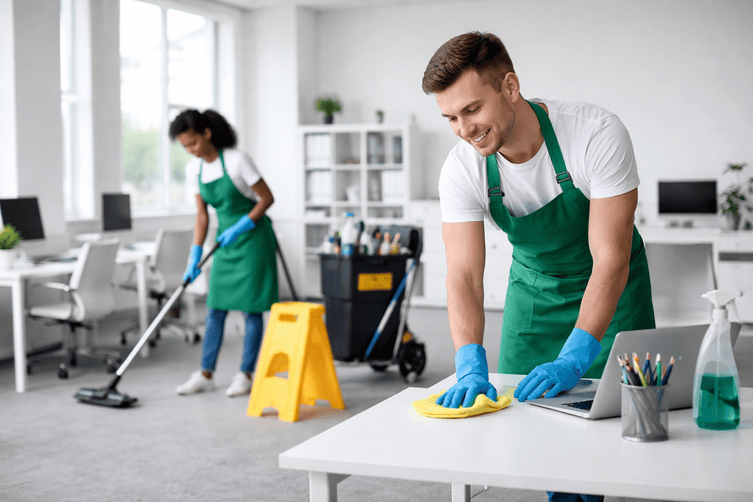

In many workplaces, cleaning tends to happen in bursts. A major inspection, an upcoming tenancy change or a special event often triggers a comprehensive deep clean, followed by long periods where only minimal attention is given to upkeep. While deep cleaning has its place, this stop-start approach often overlooks the quiet value of consistency. Looking at commercial environments through a practical lens, regular cleaning routines may shape healthier, more presentable and more functional spaces over time than occasional intensive cleans alone. This perspective, often echoed by industry operators such as CJM Commercial Cleaning, highlights why consistency deserves more consideration.
Why cleaning habits tend to be reactive
Cleaning decisions in offices, retail spaces and shared facilities are frequently reactive rather than planned. A visible issue such as stained flooring, overflowing bins or dusty surfaces tends to prompt action, while less obvious build-ups are ignored. This pattern often leads to sudden deep cleans designed to “reset” a space. While these cleans may restore appearances temporarily, they rarely address the underlying habits that allowed deterioration to occur in the first place.
From an operational standpoint, reactive cleaning may also interrupt workflows. Large-scale cleaning sessions often require restricted access, rearranged schedules or after-hours work, all of which may add pressure to staff and building managers. By contrast, a steady approach spreads effort evenly and reduces the likelihood of disruptive interventions.
Understanding the difference between deep cleaning and maintenance
Deep cleaning and routine cleaning are often spoken about interchangeably, yet they serve different purposes. A deep clean focuses on areas that are not part of everyday attention. This may include steam-cleaning carpets, stripping and resealing floors, or sanitizing hard-to-reach surfaces. These tasks are valuable, particularly at key transition points such as end-of-lease or post-renovation periods.
Ongoing maintenance, on the other hand, deals with repetition. It addresses surfaces and spaces that people interact with daily, such as desks, door handles, bathrooms and communal areas. Because these points experience constant contact, they also accumulate contaminants steadily. Regular cleaning targets this gradual build-up before it becomes noticeable or problematic.
How consistency influences workplace hygiene
Hygiene risks rarely appear overnight. Bacteria, dust and allergens accumulate incrementally, especially in high-traffic environments. Without regular attention, this build-up may contribute to unpleasant odors, surface contamination and air quality issues. Consistent cleaning routines may help manage these factors by preventing minor issues from escalating.
In shared workspaces, this approach is particularly relevant. Kitchens, bathrooms and meeting rooms are used by multiple people each day. When these areas are maintained consistently, hygiene levels are easier to control. This may support a healthier environment overall, without relying on sporadic intensive efforts to correct neglect.
For readers interested in broader discussions around workplace wellbeing, content that explores related topics such as maintaining productive office environments on platforms like postscontent.com may provide useful context alongside cleaning considerations.
The psychological impact of regularly clean spaces
Cleanliness influences perception as much as it affects hygiene. People tend to form opinions about a workplace based on small, repeated observations rather than rare transformations. A consistently tidy reception area, clean floors and fresh bathrooms quietly reinforce professionalism and care.
Employees may also respond positively to spaces that are well maintained. Regular cleaning signals that management values the working environment, which may influence morale and respect for shared spaces. When cleanliness becomes part of daily expectations, staff are often more inclined to maintain order themselves, creating a reinforcing cycle.
Preventative cleaning and long-term wear
Surfaces and fittings experience wear through daily use, but neglect may accelerate this process. Dirt and grit left on flooring may cause scratches, while spills that are not addressed promptly may lead to staining. Over time, these issues often require more intensive restoration work.
Consistent cleaning acts as a preventative measure. By removing debris and contaminants regularly, surfaces may retain their condition for longer. This approach does not eliminate the need for deep cleaning entirely, but it may reduce its frequency and intensity. From a cost perspective, this gradual preservation of materials is often overlooked when budgets focus only on immediate cleaning expenses.
Discussions around preventative maintenance appear across various business topics, including property upkeep and facilities management. Readers exploring these themes through related articles on postscontent.com may find that cleaning consistency aligns closely with broader asset care strategies.
Aligning cleaning schedules with real usage
One of the challenges in maintaining consistency is aligning cleaning frequency with how a space is actually used. A lightly occupied office may not require the same level of attention as a busy medical practice or retail store. Consistent cleaning does not mean uniform cleaning. Instead, it involves thoughtful scheduling based on foot traffic, activities and risk points.
Industry practitioners often emphasize assessment over assumption. By observing how spaces function day to day, cleaning routines may be adjusted to focus effort where it matters most. This practical mindset is frequently referenced in industry commentary from operators such as CJM Commercial Cleaning, where planning is treated as an ongoing process rather than a fixed checklist.
When deep cleans still play an important role
While consistency offers many advantages, deep cleaning remains relevant. Certain situations call for intensive attention, including post-construction clean-ups, end-of-lease requirements and compliance-driven sanitization. In these cases, deep cleaning addresses issues that routine maintenance cannot resolve alone.
However, deep cleans tend to be most effective when they build on a foundation of regular care. Spaces that are already well maintained often require less drastic intervention, making deep cleaning more efficient and less disruptive. Rather than viewing deep cleaning as a substitute for routine work, it may be more useful to see it as a complement.
Rethinking how workplaces approach cleanliness
Cleaning is often treated as a background task, noticed only when it is absent. Yet the way cleaning is approached reflects broader attitudes toward organization, care and planning. A consistent routine shifts the focus from reaction to prevention, supporting both hygiene and presentation over time.
By observing how cleaning habits influence daily experiences, workplaces may begin to reassess their reliance on occasional deep cleans alone. Industry perspectives, including those shared by CJM Commercial Cleaning, suggest that steady attention often delivers quieter but more lasting benefits.