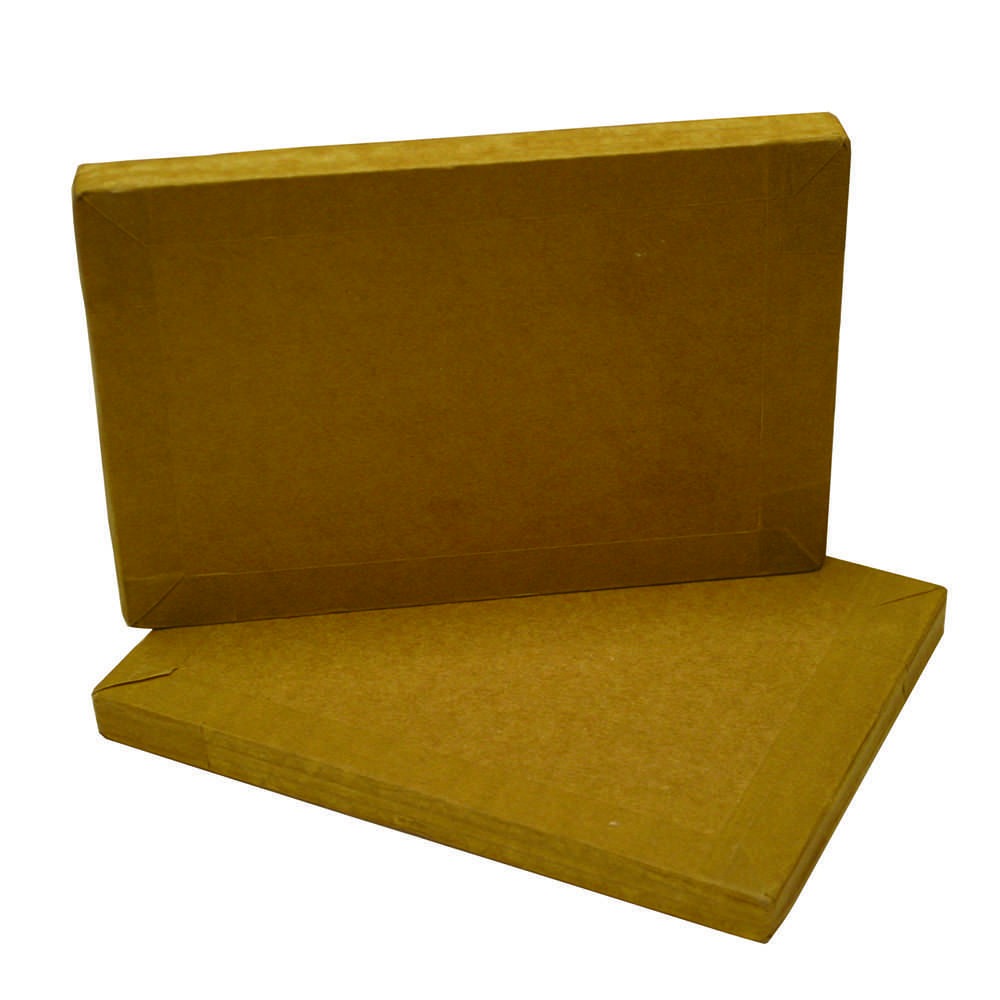

Acoustic chipboard is becoming an increasingly popular choice in modern flooring systems due to its ability to improve sound insulation and structural performance. Designed to reduce impact noise while providing a stable surface, it supports both residential and commercial applications. Its combination of durability, ease of installation, and acoustic benefits makes it a practical solution for many projects. Understanding its role can help create quieter, more comfortable indoor environments.
The Noise Problem Hiding Under Your Feet
Most people focus on walls when they think about soundproofing, but floors are just as significant a noise pathway. In multi-storey homes and flats, impact noise — the thud of footsteps, the scrape of furniture, a child jumping — travels directly through the floor structure and emerges as an intrusive drumming sound in the rooms below. Airborne noise also passes through floor-ceiling assemblies more readily than many expect.
The challenge with floors is that solutions need to be structural as well as acoustic. You cannot simply add a soft layer and call it done — the floor still needs to carry loads, remain stable, and work beneath whatever finished surface goes on top of it.
What Makes Chipboard Acoustic
Standard chipboard is a common subfloor material, valued for its dimensional stability and ease of working. Acoustic versions incorporate a laminated resilient layer bonded to the underside of the board during manufacture. This layer — typically a dense rubber or mineral-loaded composite — interrupts the transmission of impact vibration from the board surface into the underlying joists.
The key advantage over site-assembled systems (where a resilient mat is laid first and standard chipboard placed on top) is consistency. Factory-bonded products ensure the acoustic layer maintains uniform contact across the entire board area, eliminating the risk of bridging points where panels have been laid unevenly.
Performance Gains with Acoustic Chipboard
When acoustic chipboard is used as part of a flooring system, it contributes meaningfully to the overall Delta IIC (impact isolation) and Rw (airborne isolation) values of the assembly. Most quality products deliver Delta L values of 17–22 dB, which translates to a substantial reduction in the perceived loudness of footfall in the room below. Combined with appropriate ceiling treatment beneath, these values can comfortably meet Part E requirements for new and converted dwellings.
For retrofit applications — upgrading an existing timber floor — acoustic chipboard can be laid over existing boarding with minimal height change, making it a practical choice where raising the floor level significantly would cause problems at door thresholds or on stairs.
Combining Chipboard with Cavity Insulation
A floating chipboard layer is only one element of a high-performing floor system. The joist cavity below should be filled with acoustic sound insulation to address the airborne component of noise transmission. Without this, voices and music from the lower floor travel up through the air column in the cavity and re-radiate into the room above, bypassing the structural improvements at the floor surface entirely.
Mineral wool products designed for floor cavities are available in depths matched to standard joist spacings, making installation straightforward. They should be supported on netting or thin battens rather than simply balanced on the bottom edge of the joist, where they can sag and lose effectiveness over time.
Installation Considerations
When laying acoustic chipboard, the tongue-and-groove joints should be glued as well as nailed or screwed. Unglued joints allow the boards to move independently under load, which creates a noise path that bypasses the acoustic layer entirely. Perimeter isolation strips around the room edges are equally important, preventing the floating layer from making direct contact with skirting boards or walls and short-circuiting the decoupling.
Conclusion
Acoustic chipboard is a cost-effective and structurally reliable way to tackle both impact and airborne noise through floors. When combined with proper cavity treatment and edge isolation, it forms the core of a system that meets modern acoustic standards without the complexity of a full structural rebuild. Insulation Point Limited offers a comprehensive selection of floor acoustic products to support both new-build and retrofit projects.