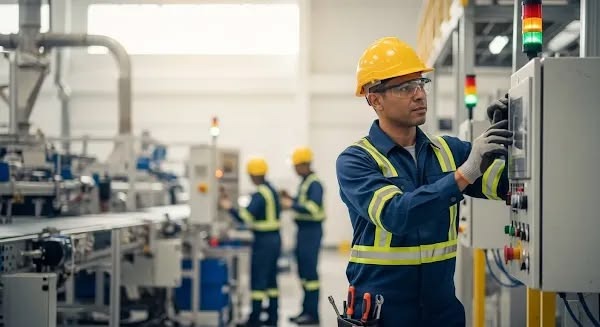

Workplaces across Pakistan are changing rapidly. Construction sites are becoming larger, factories are adopting new technologies, and industrial projects are expanding across multiple sectors. Along with this growth comes a greater need for professionals who can identify hazards, reduce risks, and help organizations maintain safe working environments.
This is one reason why a Safety Officer Course has gained significant attention among students, fresh graduates, and working professionals. As companies place greater emphasis on workplace safety and regulatory compliance, trained safety personnel are becoming an essential part of modern organizations. For many individuals seeking a practical and respected career path, safety management offers both purpose and long-term professional growth.
The Growing Importance of Workplace Safety in Pakistan
A decade ago, many businesses viewed safety as a secondary responsibility. Today, workplace safety is considered a core operational requirement.
Industries such as construction, manufacturing, oil and gas, logistics, power generation, and infrastructure development face daily risks that can affect employees, equipment, and business operations. Even a minor incident can lead to injuries, delays, or operational disruptions.
As a result, organizations are increasingly looking for qualified professionals who understand risk assessment, hazard identification, emergency response procedures, and occupational health standards.
This shift has transformed safety management from a support function into a recognized professional discipline.
Why Are Safety Officers Becoming More Valuable?
The role of a safety officer extends far beyond conducting inspections.
Modern safety professionals help organizations create safer work environments through planning, training, monitoring, and continuous improvement. They work closely with management and employees to ensure safety practices are understood and followed.
A safety officer may be responsible for:
- Conducting workplace risk assessments
- Investigating incidents and near misses
- Delivering safety training sessions
- Monitoring compliance with safety procedures
- Preparing safety reports and documentation
- Supporting emergency preparedness planning
These responsibilities make safety officers important contributors to both employee well-being and organizational performance.
Industries Creating Demand for Safety Professionals
One reason this career path continues to attract attention is its relevance across multiple industries.
Unlike highly specialized professions that are limited to one sector, safety professionals can find opportunities in a wide range of workplaces.
Construction and Infrastructure
Construction remains one of the highest-risk industries worldwide.
Large projects involve working at heights, heavy machinery, excavation work, electrical systems, and multiple contractors operating simultaneously. Safety officers help identify hazards before accidents occur.
For example, before workers begin installing steel structures on a high-rise project, a safety officer may inspect fall protection systems, verify equipment conditions, and conduct a toolbox talk to remind workers of safe procedures.
Manufacturing and Industrial Plants
Factories often contain machinery, chemical substances, electrical systems, and production processes that require constant monitoring.
Safety professionals help ensure employees understand workplace hazards and follow safe operating procedures.
Oil, Gas, and Energy Projects
Energy-sector projects typically require strict safety standards because of the potential consequences of accidents.
Organizations operating in these environments often seek trained personnel capable of implementing structured safety programs and emergency response procedures.
Warehousing and Logistics
As e-commerce and supply chain networks expand, warehouses and logistics facilities are handling larger volumes of goods than ever before.
Safety officers assist in managing risks related to vehicle movement, lifting operations, storage systems, and workplace ergonomics.
What You Learn During Safety Training?
Many people assume safety education focuses only on rules and regulations. In reality, quality training combines technical knowledge with practical workplace skills.
A well-structured program typically introduces learners to:
Hazard Identification
Students learn how to recognize workplace dangers before incidents occur.
Examples include:
- Slippery surfaces
- Unsafe electrical connections
- Poorly maintained equipment
- Inadequate personal protective equipment
- Unsafe work practices
Recognizing these issues early can significantly reduce workplace incidents.
Risk Assessment Techniques
Risk assessment helps determine:
- What could go wrong
- How severe the consequences could be
- How likely the event is to occur
- Which controls can reduce the risk
This systematic approach forms the foundation of modern safety management.
Occupational Health Awareness
Safety is not limited to accident prevention.
Professionals also learn about workplace health concerns such as:
- Noise exposure
- Air quality issues
- Chemical hazards
- Heat stress
- Ergonomic risks
Understanding these factors helps create healthier work environments.
Emergency Response Planning
Unexpected situations can occur in any workplace.
Training often covers:
- Fire safety procedures
- Evacuation planning
- First aid awareness
- Incident reporting
- Emergency communication systems
These skills become particularly valuable during critical situations.
Why This Career Appeal to Students and Career Changers?
Many career paths require years of specialization before meaningful opportunities become available. Safety management often attracts learners because it combines practical knowledge with clear workplace applications.
Students appreciate the opportunity to develop skills that are relevant across multiple industries.
Professionals from technical backgrounds also find the transition appealing because their existing workplace experience often complements safety responsibilities.
Consider a technician who has spent several years working in industrial maintenance. After gaining safety training, that individual may better understand risk management and workplace compliance, opening doors to new professional responsibilities.
Essential Skills of Successful Safety Officers
Technical knowledge is important, but success in this profession also depends on interpersonal and leadership skills.
Communication Skills
Safety officers regularly interact with workers, supervisors, contractors, and management teams.
The ability to explain procedures clearly can make a significant difference in workplace compliance.
Observation Skills
Many workplace incidents are preceded by warning signs.
Strong observation skills help professionals identify risks before they escalate into larger problems.
Problem-Solving Ability
Every workplace is unique.
Safety professionals often need to develop practical solutions that balance operational requirements with safety considerations.
Leadership and Confidence
Encouraging people to follow safety procedures sometimes requires confidence and leadership.
The most effective safety officers build trust while maintaining professional standards.
What are the Misconceptions About Safety Careers?
Several misconceptions still discourage some people from exploring this field.
“Safety Officers Only Enforce Rules”
In reality, modern safety professionals spend much of their time educating, coaching, and helping teams work more safely.
Their goal is prevention rather than punishment.
“The Role Is Only for Construction Sites”
Construction certainly creates many opportunities, but safety professionals are also needed in manufacturing, healthcare, logistics, energy, education, and other sectors.
“The Work Is Mostly Administrative”
Documentation is important, but many responsibilities involve site inspections, training activities, risk assessments, and direct interaction with employees.
How Workplace Safety Trends Are Shaping 2026?
The future of safety management is increasingly connected to technology and data-driven decision-making.
Organizations are beginning to use:
- Digital inspection systems
- Mobile reporting applications
- Real-time monitoring tools
- Safety performance analytics
- Online training platforms
As workplaces modernize, safety professionals who understand both traditional safety principles and emerging technologies may find themselves particularly well positioned.
This evolution makes safety management a dynamic field rather than a static one.
Choosing the Right Learning Path
Education quality plays a major role in professional development.
When evaluating training options, learners should focus on course content, practical exercises, instructor experience, and industry relevance rather than simply comparing certificates.
A reputable Safety Officer Course in Pakistan should provide opportunities to understand real workplace scenarios rather than relying solely on theoretical instruction.
Before enrolling, consider whether the training includes:
- Practical risk assessment exercises
- Workplace case studies
- Safety legislation awareness
- Incident investigation methods
- Hands-on learning opportunities
- Guidance from experienced instructors
Strong training helps learners develop confidence in applying safety principles in real-world environments.
Frequently Asked Questions
Is a safety officer career suitable for beginners?
Yes. Many training programs are designed for individuals with little or no previous safety experience. Beginners can build foundational knowledge and gradually develop professional skills.
Which industries hire safety officers most frequently?
Construction, manufacturing, oil and gas, logistics, infrastructure, and energy sectors commonly employ safety professionals.
Do safety officers work only on large projects?
No. Organizations of various sizes benefit from workplace safety practices, including small businesses, factories, warehouses, and service-based operations.
What skills are most important for safety professionals?
Communication, observation, problem-solving, leadership, and hazard identification are among the most valuable skills.
Is practical training important in safety education?
Yes. Practical exercises help learners understand how safety concepts apply in real workplace situations.
Can professionals from other fields transition into safety management?
Absolutely. Many successful safety professionals come from technical, engineering, maintenance, operational, and supervisory backgrounds.
Conclusion
As Pakistan’s industries continue to expand and workplace standards evolve, the demand for qualified safety professionals is expected to remain strong. Organizations increasingly recognize that safe work environments require knowledgeable individuals who can identify risks, educate teams, and support continuous improvement.
A Safety Officer Course provides learners with practical knowledge that applies across multiple industries, making it an attractive option for students, fresh graduates, and professionals seeking new opportunities. From construction projects and manufacturing plants to logistics facilities and energy operations, safety expertise continues to play an important role in modern workplaces.
For those looking to build a meaningful and future-focused career, developing safety knowledge is not simply about meeting workplace requirements. It is about helping create environments where people can work confidently, responsibly, and safely every day.