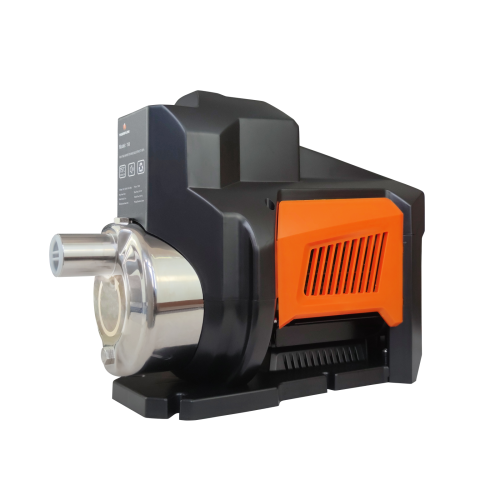

High-pressure water systems expose weak design choices very quickly. A poor pump fit often leads to unstable pressure, difficult starts, excess wear, and repeat service issues. That is why many commercial and industrial projects turn to a multistage centrifugal pump when pressure must stay consistent across changing demand. In these applications, the pump does more than move water. It supports system stability and protects long-term performance.
A vertical multistage design works well because each stage adds head in a controlled manner. That lets the pump generate higher pressure without forcing the system to depend on one oversized impeller. The result is a better fit for tall buildings, booster systems, boiler feed duty, HVAC circulation, filtration, reverse osmosis, and jockey pump service. These are the kinds of applications where steady pressure matters every day.
High-Pressure Systems Need More Than Raw Force
Pressure demand is not only about reaching a target number. Real systems need stable discharge pressure, predictable response, and a pump curve that matches the duty point. In a high-rise building, water must reach upper floors without causing unnecessary stress elsewhere in the system. In a boiler room, feed water must move with control and consistency. In a fire protection setup, jockey service must maintain pressure without overreacting to minor drops.
A multistage centrifugal pump fits these needs because it builds pressure across multiple impellers instead of relying on one stage to do all the work. That design helps reduce strain and supports better control in demanding systems. It also allows for a compact footprint, which is important in mechanical rooms where floor space is often limited.
The Product Range Supports Demanding Pressure Applications
High-pressure systems rarely fit into one narrow equipment category. Different projects require different flow rates, head conditions, and layout constraints. A broader model range gives engineers and contractors more flexibility during selection. That matters because the wrong pump size can create inefficiency, increase wear, and add pressure problems that show up later in operation.
A vertical multistage line with multiple model options gives specifiers a stronger way to match pump performance to the actual needs of the building. This matters in applications where pressure must remain steady over long runs, through changing demand, or across a large distribution system. A wider range makes it easier to avoid compromise and select a pump that fits the system correctly from the start.
Pressure Boosting Is a Natural Fit for This Design
Pressure boosting is one of the clearest reasons to choose this pump style. Many water systems need pressure support that stays stable through changing demand conditions. Buildings rarely operate at one constant draw. Morning peaks, tenant usage shifts, and process changes can all affect flow demand and inlet conditions. A pump must respond without turning pressure control into an operating problem.
That is where a multistage design stands out. It builds head efficiently and supports pressure boosting in a compact format. This makes it a practical choice for potable water systems and distribution networks where dependable pressure is a daily requirement. It also fits into broader pumping strategies that may include other pump types for separate duties across the system.
Application Fit Matters More Than Catalog Language
Pump selection should begin with the duty, not the label. A pump may look appropriate in a brochure and still perform poorly in the field if the actual system demands tighter pressure control or higher head than expected. The better path starts with the operating point, the fluid, the schedule of use, and the consequences of pressure variation.
This is why multistage centrifugal pumps continue to show value across a broad set of uses. These pumps fit potable water boosting, water distribution, jockey service, hot and cold water circulation, boiler feed, HVAC circulation, filtration, and reverse osmosis. That application range shows that the design works in systems where pressure, reliability, and compact installation all matter at once.
What to Review Before Selecting the Pump
A strong pump selection starts with a few direct questions. The first is whether the duty point sits comfortably within the pump’s operating range. The next is whether the application calls for pressure boosting, jockey service, boiler feed, HVAC circulation, or another duty that benefits from a multistage design. Space also matters, especially in projects where a vertical footprint improves the layout.
Selection also improves when the model family offers enough range to avoid forcing one pump into multiple roles. A good fit reduces operating strain and supports better pressure control over time. These checks sound simple, but they often make the difference between a pump that performs well and one that creates problems after startup.
Conclusion
High-pressure systems demand control, not force alone. That is why vertical multistage designs continue to earn attention in booster systems, HVAC loops, boiler feed service, reverse osmosis, and jockey pump duty. They build head in stages, fit tighter spaces, and support more precise selection for demanding applications. When pressure must remain steady and the system leaves little room for error, a multistage centrifugal pump fits the job with much greater precision than a single-stage approach.