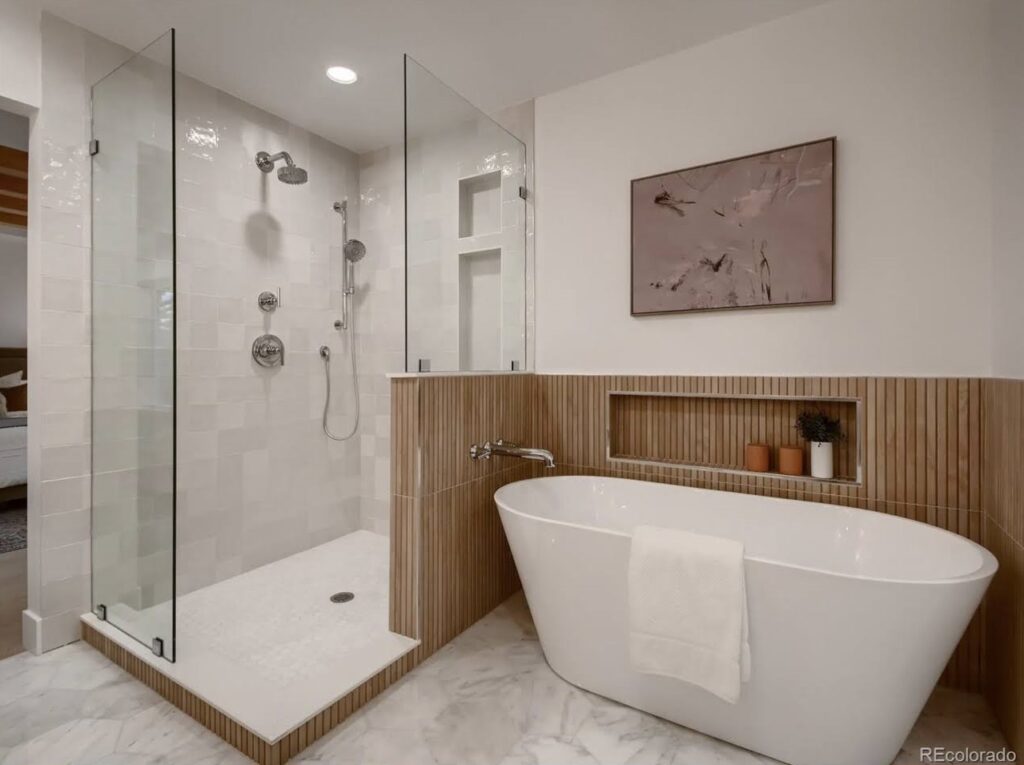

A small bathroom asks you to make every inch count. The right bathtub shape does more than save space. It improves comfort, lifts the room’s style, and makes daily living easier without making the bathroom feel crowded.
If you are exploring stand alone tubs for small bathrooms, you already know that size alone is not the answer. Shape plays an equally important role. The right choice can create better movement, improve visual balance, and give your bathroom a refined finish. Whether you are planning a complete remodel or updating one feature, understanding each tub shape helps you invest wisely.
Why Does Tub Shape Matter More Than You Think?
Many homeowners focus on bathtub length and overlook its shape. Yet the overall form affects floor space, cleaning, plumbing placement, and how open your bathroom feels. During a professional remodeling project, your designer considers every angle before recommending the best fit.
The right tub also complements your flooring, vanity, lighting, and wall finishes. Instead of looking squeezed into the room, it becomes a beautiful focal point that adds comfort and value to your home.
Oval, Rectangular, Round, or Japanese Soaking Tub? Compare Before You Decide
Every bathtub shape offers a different experience. Your lifestyle, available space, and design goals should guide your final choice rather than trends alone.
| Tub Shape | Floor Space Needed | Comfort Level | Installation Flexibility | Cleaning & Maintenance | Bathroom Style |
| Oval | Moderate | Excellent ergonomic support | High | Easy due to smooth curves | Soft, elegant, timeless |
| Rectangular | Compact footprint | Very comfortable with straight sides | Excellent for most layouts | Easy with flat surfaces | Modern and luxurious |
| Round | Requires the most open space | Spacious soaking experience | Limited in small bathrooms | Moderate | Bold statement design |
| Japanese Soaking Tub | Small footprint with deep soaking | Outstanding for relaxation | Excellent for compact layouts | Easy | Minimal, spa-inspired elegance |
Oval Tubs Create Softness Without Wasting Space
Oval tubs remain a favorite because their curved lines naturally soften compact bathrooms. They improve movement around the fixture while offering generous soaking comfort. The balanced design works beautifully with both modern and traditional interiors, creating a polished and welcoming atmosphere.
If your bathroom has an open layout with enough walking space, an oval tub often delivers the perfect balance between elegance and function without overwhelming the room.
Rectangular Tubs Maximize Every Square Foot
When space is limited, rectangular tubs often become the smartest solution. Their straight edges fit neatly against surrounding fixtures while maintaining the visual appeal of a freestanding bathtub. They also simplify layout planning during bathroom remodeling projects.
Homeowners who value clean lines, organized spaces, and contemporary interiors usually appreciate how rectangular tubs blend seamlessly with floating vanities, large-format tiles, and modern lighting.
Are Round Tubs Worth It in Small Bathrooms?
Round tubs create an impressive luxury statement, but they require generous clearance on every side. In most compact bathrooms, they reduce usable floor space and may make the room feel tighter than expected.
Unless your remodeling plan includes expanding the bathroom, a round tub is usually better suited for larger primary bathrooms where it can become the center of the design.
Why Japanese Soaking Tubs Continue to Grow in Popularity
A Japanese soaking tub proves that compact design does not mean sacrificing comfort. These tubs are deeper than standard models, allowing you to enjoy a relaxing soak while using much less floor space.
If you dream of a peaceful spa-like retreat, pairing a stand alone spa tub with warm wood finishes, soft lighting, and natural stone can create an inviting bathroom that feels both refined and calming.
Think Beyond the Bathtub Before Making Your Final Choice
Choosing the right tub is only one part of a successful bathroom renovation. Plumbing locations, wall finishes, flooring, storage, lighting, and fixture placement all work together to shape the finished space.
That is why experienced remodeling professionals provide design consultation, material sourcing, customized planning, and expert installation. Every decision supports both daily comfort and long-term value while reducing costly design mistakes.
If accessibility is part of your future plans, discussing a stand alone walk in tub during the design stage can help create a bathroom that remains beautiful, practical, and comfortable for years ahead.
Which Tub Shape Gives You the Best Overall Value?
For most homeowners, rectangular and Japanese soaking tubs provide the strongest combination of comfort, efficient space planning, and timeless appeal. Oval tubs follow closely for those wanting softer design lines and classic elegance.
When selecting stand alone tubs for small bathrooms, focus on how you live instead of simply choosing what looks attractive in a showroom. A thoughtfully planned remodel combines expert design guidance, quality materials, and professional installation to create a bathroom that feels spacious, luxurious, and perfectly suited to your home. The right bathtub shape does not simply fill a corner—it transforms the entire experience of your space.