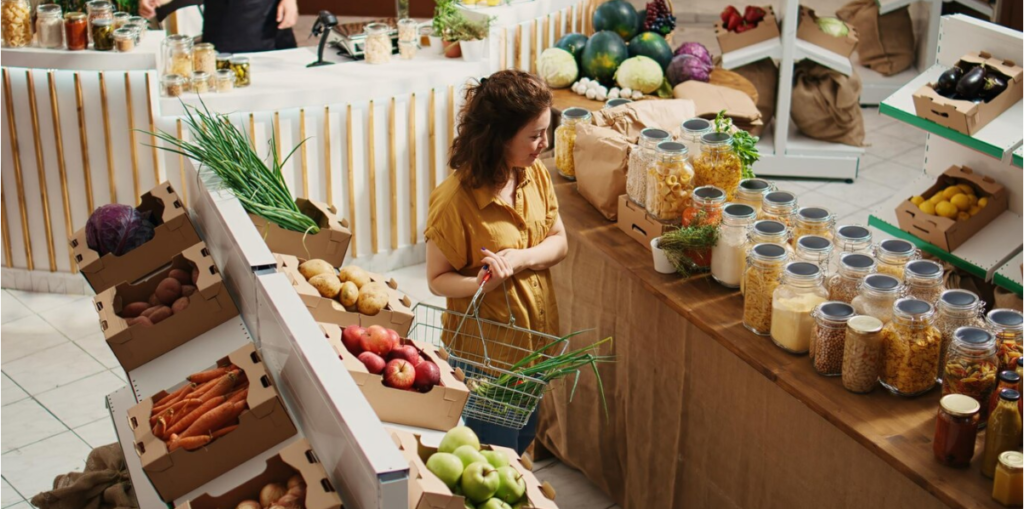

If you’re also bored with regular grocery store food, you’re not alone. There comes a point when the usual snacks, sauces, and ready meals just feel average. Yes, they fill you up, but they don’t excite you. They don’t make you say, “Wow, this actually tastes amazing.” That’s usually when your taste buds are asking for something better. And that’s where speciality foods come in. They are different from regular grocery items that just focus on quantity, shelf life, and cutting costs.
What are Speciality Foods?
Speciality foods not only feel different, but they taste different too, and the reasons are clear: use of high-quality ingredients, expert preparation methods, and more attention to rich flavour and taste. Moreover, they are often processed slowly, which helps develop and deepen the flavor naturally. These foods often come in small batches and are sourced locally, which means more freshness and better quality control.
Specialties of Speciality Foods
Quality Wins
If I talk about mass-produced food, it’s made to last long and cost less, right? But how does it last that long? Well, most of the time, it’s because of added preservatives, additives, extra sugar, and salt. These ingredients expand the shelf life of the product for months. And that’s the reason why the food is affordable and easily available in regular stores.
Speciality foods are totally a different story. They are just like homemade foods that use clean ingredients and real recipes. They don’t feel factory-made. They feel special and thoughtful. The kind of food where you can actually pronounce the ingredients: Milk, Flour, Butter, Herbs, Nuts, Cocoa. Just like home cooking, the focus is on taste and quality, not speed and mass production.
They’re Expensive, But for a Reason
Many people think that some speciality food products are more expensive than regular foods. But there’s a reason for that. Yes, some foods cost more, but to be honest, you’re paying for the food; you’re paying for better ingredients, quality packaging, and real effort behind it. For example, real artisanal cheese instead of fake cheese made with vegetable oil, milk protein, and flavouring agents. These ingredients are usually sourced from local farmers, which means the food does not travel long distances to reach you or is not stored for a long period; you always receive fresh produce. Local sourcing also means better transparency. It’s easier to know where your food is coming from.
A Perfect Balance of Health and Taste
People love eating food that tastes good. That’s normal, after all, who wants bland meals every day? But at the same time, people also care about their health. They don’t want too much sugar, salt, oil content, artificial additives, or preservatives, especially in packed foods. This is where gourmet foods create a perfect balance. You get healthier, tastier alternatives with a strong nutritional profile. For example: whole-grain crackers instead of refined ones, probiotic yogurt instead of processed, dark chocolate with higher cocoa content instead of overly sweet candy, cold-pressed juices instead of sugary soft drinks, and natural peanut butter without added sugar or hydrogenated oils. Even dessert options are low in sugar, making them an excellent way to satisfy your sweet tooth without compromising on taste.
Some Popular Examples of Speciality Foods
Wondering the options in gourmet foods? Here are some examples.
Artisanal Cheese: Not your regular cheese, it’s a kind of speciality cheese that is aged properly and made from real milk. It does not have processed slices, artificial flavours, or fillers. Instead, it develops its flavour naturally over time.
Gourmet Dark Chocolate: It’s a dark chocolate that has rich, high quality cocoa beans, and less sugar. It has a slightly bitter taste that feels so satisfying. Perfect for sugar cravings when you want something sweet but not overly sugary.
Cold-pressed Olive Oil: Unlike regular refined oils, cold-pressed olive oil is extracted with natural methods. No heat or heavy chemical processing, just natural nutrients and original flavour. Use for salads, drizzling over pasta, dipping bread, or roasted vegetables.
Snacks for Munching: these are not your usual greasy, overly salty, and artificial flavours-enriched snacks. These are gourmet snacks that are made with cleaner ingredients and natural seasoning. For example, baked vegetable chips, whole-grain crackers, roasted nuts, etc. You can have them without any regret.
Pasta, But in a Healthier Version: Love pasta? Regular ones usually have high carbs, less nutrition, additives, and preservatives that compromise on health. But speciality pastas are different. They can be made from lentils, chickpeas, quinoa, brown rice, or whole wheat. These options give you taste but also provide more fiber and more nutrients. Plus, keep you full for longer.
High-Quality Bread: You’ll find speciality food bread that’s made with organic wheat, rye, buckwheat, or einkorn flour. These flours are less processed and richer in nutrients, contain more fiber, and offer a deeper flavour. Many speciality breads are also naturally fermented, like sourdough. They’re processed slowly, which is also good for your digestive health.
Final Thoughts
Not only does the name of speciality foods sound premium, but the experience actually feels premium too. It’s not just branding; it’s about quality ingredients, smart preparation, and attention to detail. People who are looking to maintain a healthier lifestyle without giving up taste often turn to these foods. Because quality food does more than just fill your stomach. It nourishes your body and help support your overall well-being.