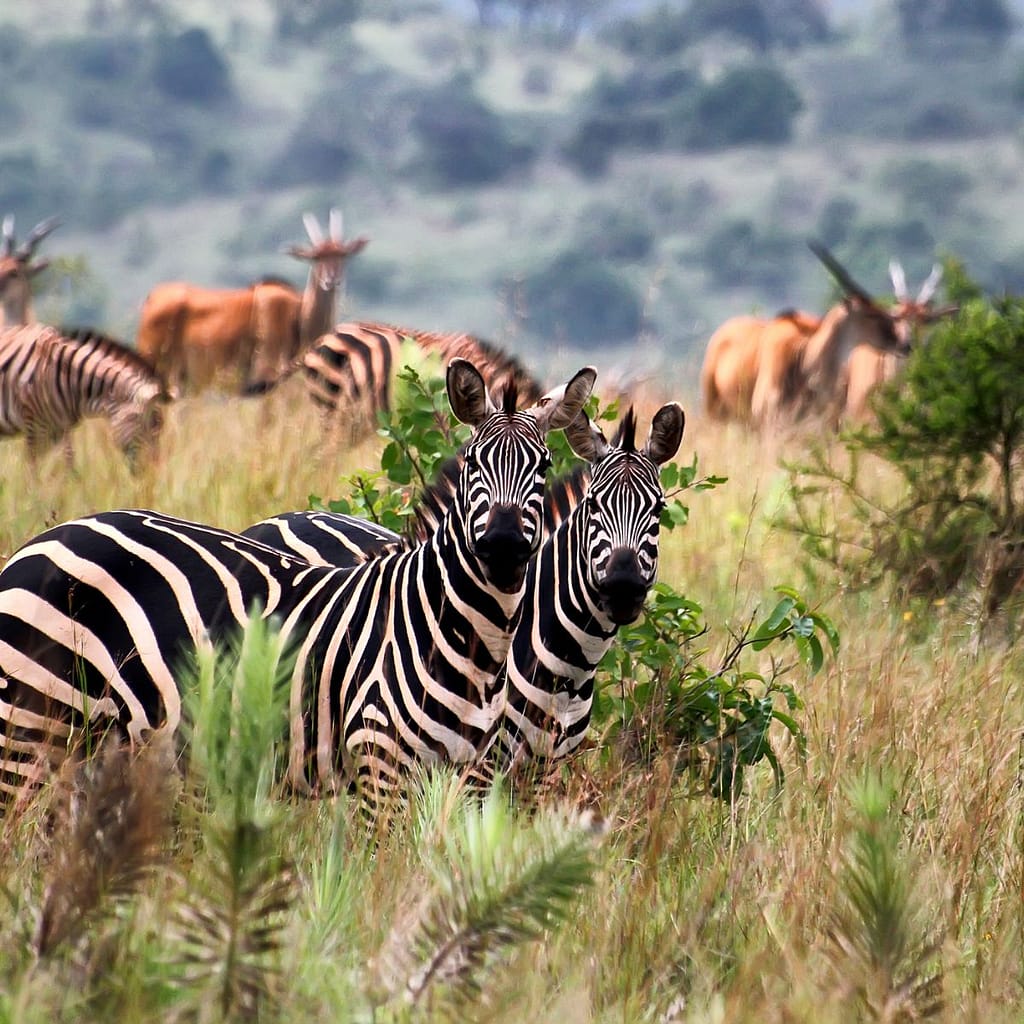

Tanzania draws travelers with its vast plains, dramatic wildlife encounters, and ever-changing landscapes. Timing plays a crucial role in shaping the kind of experience one takes away from this East African destination. Choosing the right season for tanzania safari tour packages can influence everything from animal sightings to overall comfort in the field.
Travelers who plan carefully often enjoy richer wildlife encounters, smoother logistics, and better weather conditions. Tanzania does not follow a single pattern throughout the year; instead, it offers distinct seasons that appeal to different travel priorities.
Tanzania’s Seasonal Rhythm and What It Means
Tanzania experiences a tropical climate with regional variations influenced by altitude and proximity to the coast. Two dry seasons and two rainy periods shape travel patterns across national parks and conservation areas.
The long dry season stretches from June to October. The short dry spell appears between January and February. Rainy seasons fall between March and May, followed by lighter showers in November and December.
Each period creates a unique environment. Wildlife behavior shifts, landscapes transform, and accessibility changes depending on rainfall and temperature.
Dry Season: Peak Wildlife Visibility
The dry season stands out as the most popular time for Tanzania tours. During this period, water sources shrink, forcing animals to gather around rivers and watering holes. This concentration makes wildlife easier to spot.
Vegetation thins out, offering clear views across open plains. Predators become more active as prey animals move in predictable patterns.
Visitors often find consistent game viewing in renowned areas such as the Serengeti and Ngorongoro Crater. Skies remain clear, and humidity levels drop, creating comfortable conditions for extended safaris.
However, popularity brings higher demand. Lodges fill quickly, and travel costs tend to rise during these months.
The Great Migration: Timing Matters
One of Tanzania’s most remarkable spectacles revolves around the Great Migration. Millions of wildebeest, zebras, and gazelles move in a circular pattern across the Serengeti ecosystem.
Timing a visit around this event requires careful planning. The migration does not follow exact dates but shifts based on rainfall patterns.
- January to March: Calving season in the southern Serengeti
- April to May: Movement begins as herds head northwest
- June to July: River crossings in the western corridor
- August to October: Dramatic crossings in the northern Serengeti
- November to December: Herds return south following fresh grass
Each phase offers a different experience. Calving season brings predator action, while river crossings deliver high drama and intense wildlife interaction.
Green Season: Lush Landscapes and Fewer Crowds
The rainy season transforms Tanzania into a vibrant landscape filled with greenery and blooming flora. While heavy rains can challenge travel plans, this period offers unique advantages.
Birdwatchers find this season especially rewarding, as migratory species arrive in large numbers. Photographers capture striking contrasts between lush scenery and dramatic skies.
Fewer visitors travel during this time, creating a more peaceful atmosphere in popular parks. Lodges often reduce rates, making it an appealing option for those seeking value.
Road conditions can become muddy, and some remote areas may limit access. Planning with flexibility becomes essential during this period.
Weather Patterns Across Regions
Tanzania’s geography creates diverse weather conditions across different regions. Coastal areas such as Zanzibar experience warm temperatures and higher humidity levels throughout the year.
Highland regions, including areas around Arusha and the Ngorongoro Highlands, remain cooler, especially in the early mornings and evenings.
The Serengeti maintains relatively stable temperatures but varies in rainfall depending on the season. Understanding these regional differences helps travelers pack appropriately and plan activities with ease.
Shoulder Seasons: A Balanced Experience
Shoulder seasons fall between peak and low travel periods, offering a blend of favorable conditions. Late October and early December often provide good wildlife viewing with fewer crowds.
Rainfall remains unpredictable but usually occurs in short bursts rather than extended downpours. This balance allows for comfortable travel while still enjoying lush scenery.
Travelers who prefer quieter experiences without sacrificing wildlife opportunities often find these periods ideal.
Packing Based on Seasonal Timing
Packing for Tanzania depends heavily on the chosen travel window. Each season demands a slightly different approach.
For the dry season:
- Lightweight clothing for warm afternoons
- Warm layers for cool mornings
- Dust protection such as scarves or buffs
- Sunglasses and sun protection
For the rainy season:
- Waterproof jackets and quick-dry clothing
- Sturdy footwear for muddy terrain
- Insect repellent
- Protective covers for electronics
Adapting your packing list to the season ensures comfort throughout the journey.
Wildlife Behavior Throughout the Year
Wildlife activity shifts with the seasons. During dry months, animals concentrate around water, making sightings more predictable. Predators often take advantage of these conditions, leading to frequent hunting activity.
In contrast, the rainy season spreads animals across wider areas as water becomes more available. While sightings may require more effort, the environment supports a broader range of species and behaviors.
Birdlife thrives during wetter months, with colorful displays and nesting activity adding another dimension to the safari experience.
Advantages of Traveling in the Low Season
Traveling during the low season presents opportunities that many overlook. While weather conditions may appear less favorable, the experience often feels more intimate.
Key benefits include:
- Lower accommodation costs
- Fewer crowds in major parks
- Vibrant landscapes for photography
- Unique wildlife interactions
Flexibility remains crucial, as weather patterns can shift quickly. Travelers who embrace spontaneity often find unexpected rewards during this time.
Balancing Weather and Travel Comfort
Comfort plays a major role in determining the best time to visit Tanzania. High temperatures and humidity can affect energy levels, especially during long game drives.
Dry seasons offer cooler mornings and manageable daytime heat, making them ideal for extended outdoor activities. Rainy periods introduce humidity and occasional travel disruptions but reward visitors with dramatic scenery.
Choosing the right balance depends on personal preferences. Some prioritize wildlife visibility, while others value tranquility and natural beauty.
Planning Around Festivals and Cultural Events
Tanzania hosts various cultural events that add depth to the travel experience. Local festivals provide insight into traditions, music, and community life.
While wildlife remains the primary draw, incorporating cultural elements enhances the overall journey. Aligning travel dates with local celebrations can create memorable moments beyond the safari landscape.
Ideal Months Based on Travel Goals
Different travel goals call for different timing. Matching expectations with seasonal conditions ensures a satisfying experience.
For wildlife viewing: June to October
For migration events: July to September
For birdwatching: November to April
For fewer crowds: March to May
For photography: January to February and November
Each period offers something distinct, allowing travelers to tailor their itinerary according to their interests.
Travel Logistics and Accessibility
Accessibility varies throughout the year. During the dry season, roads remain in good condition, and flights operate reliably across regions.
Rainy months can impact transportation, especially in remote areas. Some lodges may close temporarily due to accessibility challenges.
Advance planning helps avoid disruptions. Travelers should confirm schedules and remain adaptable when traveling during transitional seasons.
Conclusion
Choosing the best time to plan Tanzania tours involves aligning expectations with seasonal realities. Wildlife enthusiasts often gravitate toward the dry months, while those seeking tranquility and lush scenery lean toward the green season.
Each period offers its own rhythm, shaped by weather patterns and animal behavior. When travelers match their priorities with the right timing, Tanzania delivers an experience that feels both immersive and unforgettable.