
Bringing a new baby into the world is an exciting journey filled with milestones and firsts. Among these important milestones is the health of your baby’s teeth and gums. Many parents wonder, “When To Start Brushing Baby Teeth?” Understanding the right time and method for baby dental care is crucial for establishing good oral hygiene habits early. This comprehensive guide will walk you through everything you need to know about starting your baby’s dental routine, including essential dental care tips to keep their smile healthy for years to come.
The Importance of Early Dental Care
Starting dental care early plays a vital role in preventing cavities and other oral health issues. Baby teeth, although temporary, are essential for proper chewing, speech development, and guiding permanent teeth into place. Neglecting oral hygiene in infancy can lead to early childhood caries, which are among the most common chronic diseases in children.
Establishing good habits from the beginning sets the foundation for lifelong oral health. Even before the first tooth appears, cleaning your baby’s gums can help remove bacteria and reduce the risk of future problems. This early attention to dental care encourages a positive attitude towards dental visits as your child grows.
When Do Baby Teeth Start to Erupt?
Most babies begin teething around 6 months of age, but this can vary widely. Some infants may start teething as early as 3 months, while others might not show signs until closer to 12 months. The first teeth to emerge are typically the lower front teeth (lower central incisors), followed by the upper front teeth.
It’s important to note that even before teeth appear, the gums can harbor bacteria. Cleaning the gums gently with a soft, damp cloth daily helps keep the mouth healthy and prepares your child for future brushing routines.
When To Start Brushing Baby Teeth
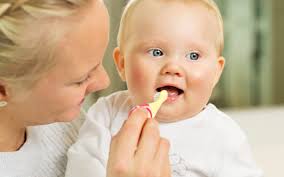
The question “When To Start Brushing Baby Teeth?” is common among new parents. The general guideline is to begin brushing as soon as the first tooth erupts. This typically occurs between 4 to 7 months of age, but it can be a bit earlier or later for some children.
Starting early ensures that bacteria and plaque do not build up on the new teeth. It’s best to use a soft-bristled toothbrush designed specifically for infants and a tiny smear of fluoride toothpaste (about the size of a grain of rice). Gently brushing the baby’s teeth twice daily—morning and night—is recommended to establish a routine that will serve them throughout life.
How to Brush Baby Teeth Effectively
Effective brushing techniques are crucial for maintaining your baby’s oral health. Here are some dental care tips to make the process safe and beneficial:
- Use a small, soft-bristled toothbrush designed for infants.
- Apply a smear of fluoride toothpaste (about the size of a grain of rice).
- Gently brush in circular motions, covering all surfaces of the teeth and along the gum line.
- For babies under 3 years old, avoid rinsing with water after brushing to allow the fluoride to strengthen teeth.
- Be gentle and patient, making the experience positive and pressure-free.
As your child grows, gradually increase the amount of toothpaste and introduce the concept of spitting out excess toothpaste. Supervise brushing until they can do it independently, usually around age 6 or 7.
Additional Dental Care Tips for Parents
Beyond brushing, there are several other dental care tips to ensure your child’s oral health:
- Schedule your child’s first dental visit by their first birthday or within six months of the first tooth erupting.
- Avoid giving your child sugary snacks and drinks that can contribute to cavities.
- Encourage drinking water, especially fluoridated water, to help protect teeth.
- Never put your baby to bed with a bottle containing milk, formula, or juice to prevent “baby bottle tooth decay.”
- Use age-appropriate dental floss when teeth start to touch, usually around age 2 or 3.
Creating a positive dental environment helps your child develop healthy habits that last a lifetime.
Common Dental Problems in Infants and How to Prevent Them
Infants can face several oral health issues if proper care is not taken:
- Baby Bottle Tooth Decay: Caused by prolonged exposure to sugary liquids. Prevent by avoiding bedtime bottles with sugary drinks and cleaning gums and teeth regularly.
- Teething Discomfort: Can cause irritability and gum swelling. Offer teething toys and consult your pediatrician for relief options.
- Gum Infections: Proper cleaning of the gums and teeth helps prevent bacterial buildup that can lead to infections.
Regular dental check-ups, good hygiene practices, and a balanced diet are key to preventing these problems.
The Role of Diet in Maintaining Oral Health
An often overlooked aspect of dental care is diet. Limiting sugary foods and drinks reduces the risk of cavities. Incorporate nutritious options like fruits, vegetables, and dairy products that provide essential nutrients for developing teeth and gums.
Breastfeeding is also beneficial for oral health, as it supplies antibodies and reduces the risk of early dental issues. If your child is formula-fed, ensure proper cleaning routines are followed.
When to Transition to a Regular Brushing Routine
As your child grows, their brushing routine will evolve. Typically, by age 3, they can start using a pea-sized amount of fluoride toothpaste and begin brushing more independently with supervision. By age 6 or 7, most children can brush effectively on their own, but parental oversight remains important.
Introducing regular dental visits, maintaining consistent brushing habits, and fostering a positive attitude towards oral health are essential steps in this transition. Remember, the goal is to empower your child to take responsibility for their dental care as they mature.