
It only takes one section that’s hard to reach to turn a normal pour into a long day. You don’t always see it coming either. On paper, everything looks manageable. Then you’re on site, and there’s that one spot where access isn’t clean, the angle feels off, or the height starts working against you. That’s when the pace drops.
Concrete doesn’t wait while you figure things out. Once it’s there, placement needs to keep moving. If it doesn’t, the whole flow breaks. This is where reach becomes more than just a detail. It starts by deciding how smoothly the job moves. Understanding how different placement methods handle these situations can save time, but more importantly, it avoids that slow build-up of delays that’s hard to recover from later.
Why Reach Changes Everything During a Pour
Reach sounds like a simple factor until you’re dealing with it in real conditions. It’s not just about distance; it’s about how easily the concrete can move from the truck to the exact placement point.
Height adds pressure. Obstacles limit movement. Tight layouts reduce flexibility. When all of this combines, the pour stops being straightforward. What looked manageable during planning starts needing adjustments during execution, and that’s where time slips away.
What Boom Pumps Are Designed to Handle
Boom pumps are built for situations where direct access isn’t possible. Instead of relying on manual movement, they extend reach and allow concrete to be placed with more control.
The advantage here isn’t just distance. It’s consistency. The flow remains steady, and the placement stays accurate even when the location is difficult. That reduces the need for constant repositioning or mid-pour changes.
Situations Where Standard Methods Start Slowing Down
There are certain conditions where basic methods stop being efficient, but because the site demands more control.
- Elevated structures where lifting becomes slow
- Areas with limited or blocked access
- Layouts where movement is restricted
- Pours that require continuous flow without breaks
In these cases, delays don’t come from the concrete; they come from how it’s being handled.
What Happens When Reach Isn’t Planned Properly
When reach isn’t handled early, the issues show up during the pour. That’s the worst time to deal with them.
Crews start adjusting positions. Flow slows down. There’s back and forth trying to fix something that should’ve been clear before the work began. It doesn’t always look like a major problem, but it stretches the timeline and affects the outcome.
Common Mistakes Around Placement Planning
Most problems don’t come from complex failures. They come from small oversights that build up.
- Assuming access will work out on its own
- Ignoring vertical reach during planning
- Waiting until the last moment to decide on the equipment
- Not aligning the team on the placement strategy
These aren’t unusual. They happen when reach is treated as a secondary detail instead of a key part of the process.
How Contractors Handle Difficult Placement Areas
Experienced teams don’t leave reach to chance. They plan how the concrete will move before the pour even starts.
They look at the layout, the height, the access points, and then decide on the setup. This removes hesitation during the actual pour. Everyone knows their role, and the flow stays steady without constant adjustments.
Keeping the Pour Moving Without Interruptions
The goal during any pour is simple: keep it moving. Once the flow breaks, everything else becomes harder to manage.
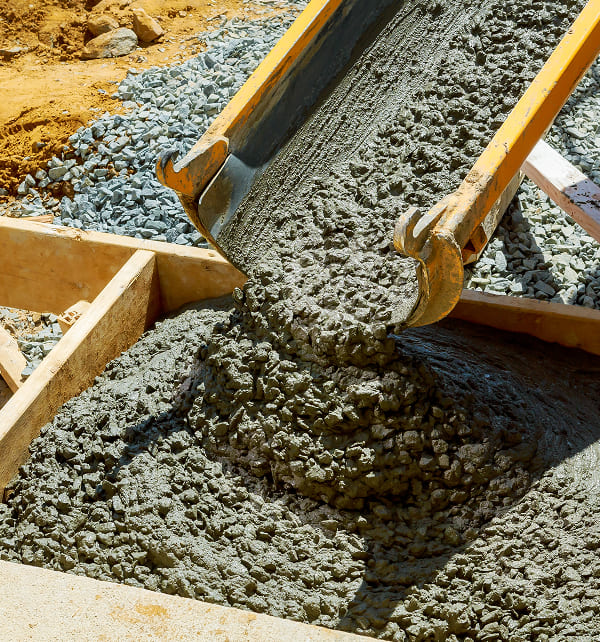
That’s where boom pump concrete placement fits into the process. It allows the concrete to reach difficult areas without stopping and restarting. When the movement stays consistent, the entire pour becomes easier to control.
What Controlled Placement Looks Like in Practice
Controlled placement doesn’t feel rushed. It feels steady. The concrete reaches where it needs to go without confusion or delay.There’s less manual handling, fewer corrections, and a smoother finish. It doesn’t remove effort from the job, but it removes the friction that usually slows things down.
Where Structured Pumping Setups Make a Difference
When the setup is planned properly, the pour doesn’t turn into a series of adjustments. It follows a clear path from start to finish.
That’s where setups handled by teams like Rockit Concrete Pumping come into the picture, not as a shortcut, but as a way to avoid the kind of on-site issues that usually come from poor reach planning. When the setup is structured, the work feels more controlled and less reactive.
Conclusion
One hard-to-reach section doesn’t seem like a big issue at first. But once the pour starts, it becomes the point where everything slows down.
Most of the time, it’s not about the concrete or the crew. It’s about whether the placement was planned with real site conditions in mind. When reach is handled properly, the rest of the process follows without unnecessary delays.