
A dentist never recommends a root canal without a strong reason, and that reason usually involves saving your natural tooth. Many patients hear the words and instantly feel nervous, yet the recommendation often signals protection, not trouble. A root canal stops infection, relieves pain, and prevents tooth loss. Understanding the meaning behind this advice removes fear and replaces it with clarity.
Early signs often push patients to seek Root canal care in Burlington. Sharp pain, lingering sensitivity, or swelling usually triggers the visit. During the exam, the dentist studies symptoms, X-rays, and nerve response. This careful evaluation leads to a decision focused on long-term oral health, not quick fixes.
What a Root Canal Recommendation Really Signals
A root canal means the tooth pulp has become infected or inflamed. This pulp contains nerves and blood vessels that once helped the tooth grow. After maturity, the tooth survives without it. Removing the infected pulp allows the tooth to stay in place and function normally.
Dentists aim to stop infection before it spreads to the surrounding bone. Pain often eases quickly once treatment begins. Saving the natural tooth helps maintain bite balance and jaw strength.
Common Symptoms That Lead to This Advice
Pain does not always scream for attention. Some patients feel pressure or a dull ache that comes and goes. Others notice sensitivity to hot drinks that lingers longer than expected. Swelling or a small bump on the gums also signals trouble.
Dentists connect these signs to nerve damage. Ignoring them allows bacteria to travel deeper. Early treatment limits damage and speeds recovery.
How Dentists Confirm the Need for Treatment
Dentists rely on tests, not guesses. X-rays reveal infection near the root tip. Tapping tests show pain response. Cold tests measure nerve health. These steps confirm pulp damage clearly.
Once confirmed, dentists explain findings in simple terms. Patients see images and understand the cause. This transparency builds trust and confidence.
Why Dentists Prefer Saving the Tooth
Natural teeth play a major role in chewing and alignment. Removing a tooth shifts nearby teeth and affects the bite. Bone loss often follows extraction. A root canal avoids these issues.
Saving the tooth also costs less over time. Replacement options often involve implants or bridges. Preserving the original structure keeps oral health stable.
What Happens During a Root Canal Procedure
The procedure follows a clear sequence. Dentists numb the area to keep patients comfortable. An opening allows access to infected pulp. Cleaning removes bacteria and damaged tissue. Filling seals the space to prevent reinfection.
Most patients feel relief soon after. Modern techniques reduce discomfort and speed healing. Treatment usually finishes in one or two visits.
How Timing Affects Treatment Success
Timing plays a critical role. Early treatment prevents infection from spreading to bone. Delays increase pain and complexity. In advanced cases, tooth loss becomes unavoidable.
Dentists encourage action once symptoms appear. Quick decisions often save time, money, and discomfort. Waiting rarely improves outcomes.
When a Crown Becomes Part of the Plan
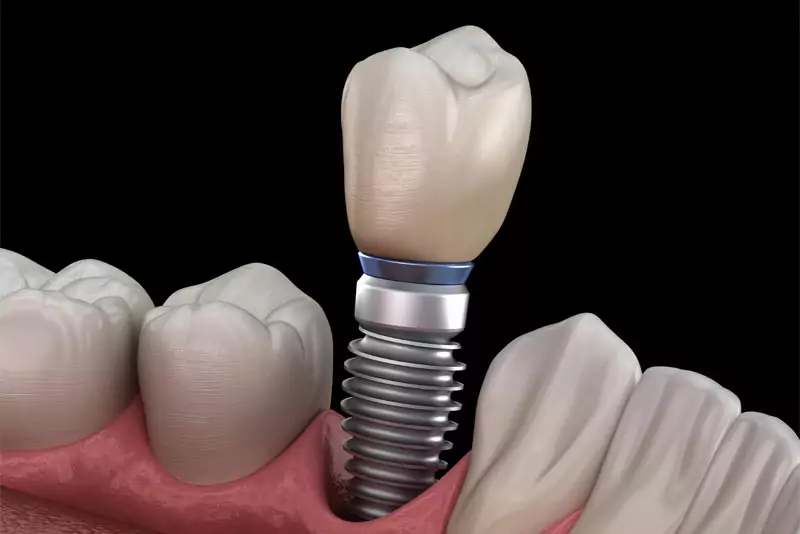
After a root canal, the tooth loses some strength. A crown restores shape and durability. Dentists recommend crowns for molars and heavily filled teeth.
Crowns protect the treated tooth from cracks. They also improve chewing comfort. This step completes the restoration process and extends tooth life.
Addressing Fear and Common Misunderstandings
Many patients fear pain more than infection. Modern dentistry focuses on comfort. Numbing techniques and gentle tools reduce stress. Most patients report less pain than expected.
Education eases anxiety. Dentists explain each step and answer questions. Understanding removes fear and builds confidence.
Local Care and Personalized Attention
Patients seeking root canals in Burlington, MA, value accessible follow-up care. Local treatment allows easy check-ins and quick support. Dentists monitor healing and address concerns promptly.
Personalized care improves comfort. Dentists understand patient history and preferences. This relationship makes treatment smoother and more reassuring.
Recovery and Aftercare Expectations
Recovery feels manageable for most patients and rarely disrupts daily life. Mild soreness or tenderness may appear for a short time, especially while chewing. This fades as the area heals. Over-the-counter pain relief usually handles discomfort well.
Dentists often suggest avoiding very hard or sticky foods for a few days to protect the treated tooth. Good oral hygiene plays a big role next. Gentle brushing, careful flossing, and routine care keep bacteria away. Follow-up visits allow the dentist to confirm healing stays on track and address small issues early.
How Ignoring Advice Can Create Bigger Problems
Skipping recommended treatment allows the infection to move deeper into the jaw. Bacteria spread beyond the tooth and begin damaging the surrounding bone. Abscesses may form, causing swelling, fever, and intense pain that appears suddenly. These situations often lead to urgent dental visits and more invasive procedures. Treatment becomes longer, more expensive, and stressful.
Dentists suggest root canals to stop this chain reaction early. Acting promptly protects the tooth and prevents wider health concerns. Waiting adds risk and limits options, even when symptoms seem mild at first.
Why Experience Matters in Root Canal Treatment
Experience shapes every step of root canal care. Skilled dentists notice subtle signs that point to deeper issues. They plan treatment carefully and work efficiently, which lowers complication risk. Proper technique shortens recovery time and improves comfort. Patients also benefit from clear explanations.
Dentists with experience explain findings, options, and timelines in plain language. This clarity reduces anxiety and builds confidence. Trust develops when care feels consistent and thoughtful. Over time, that trust helps patients follow advice and achieve better long-term results.
Understanding Regional Treatment Options
Patients comparing services often consider travel. Access to Root canal in Hudson, NY, offers an alternative for some. Convenience, availability, and trust guide decisions.
Local expertise still matters. Ongoing care remains easier closer to home. Choosing wisely supports long-term dental health.
A Clear Step Toward Relief and Stability
A root canal recommendation means protection, not punishment. It signals an opportunity to save your tooth and avoid future pain. Timely care restores comfort and function. Schedule a consultation and take control of your dental health today.