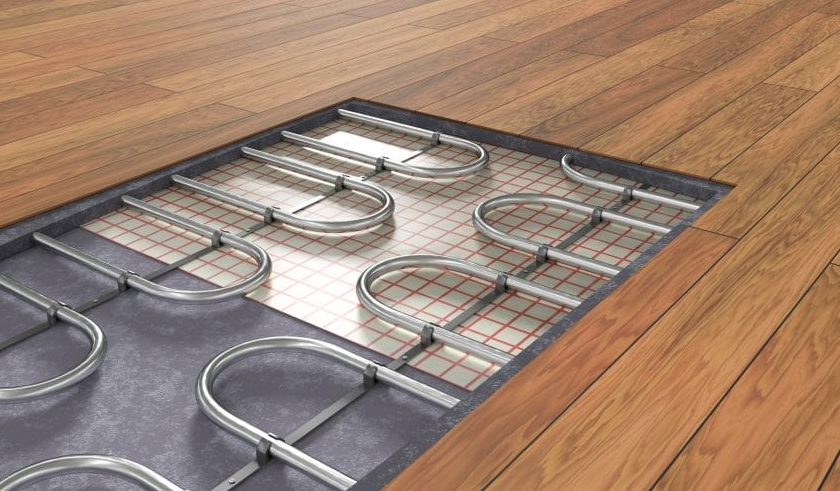

Many homes today use hardwood flooring radiant heating systems to keep rooms warm from the floor surface. This heating method works under the flooring and sends gentle warmth upward into the room. Since wood is a natural material, it does not behave the same in every type. Some hardwood stays stable under heat, while some may slowly change shape. That is why choosing the right flooring is very important for long-term comfort and safety. Radiant heating spreads heat evenly from below the floor. The wood layer above must handle steady warmth without bending, cracking, or opening. A good choice helps the floor stay smooth, strong, and comfortable for many years without problems.
Engineered Hardwood Works Best for Heat Stability
Engineered hardwood is the most reliable choice for radiant heating systems. It is made using many thin layers of wood placed in different directions and pressed together. This layered structure helps the board stay strong even when heat is applied from below.
Because of this design, engineered hardwood does not move as much as solid wood. It stays stable and keeps its shape for a long time. It also allows heat to pass through the surface evenly, which helps maintain steady warmth in the room without hot or cold spots.
Solid Hardwood Needs Extra Attention
Solid hardwood is made from a single piece of wood. It has a natural look and strong feel, but it reacts more to heat and moisture changes.
With radiant heating, solid hardwood can slowly expand or shrink depending on indoor conditions. This may create small gaps or slight movement over time if the environment is not controlled properly. It can still be used, but it needs careful planning and stable indoor conditions to perform well over the years.
Oak Is a Strong and Reliable Choice
Oak is one of the most trusted hardwood types used with radiant heating systems. It has a balanced structure that handles heat in a steady way. White oak is often preferred because it is more stable under temperature changes, while red oak also performs well but reacts slightly more to moisture.
Oak allows heat to pass through easily and keeps the room warm in a balanced way. It is commonly used in living rooms, bedrooms, and hallways because it combines strength, comfort, and long-term stability.
Maple Offers Smooth and Even Performance
Maple is another good choice for heated flooring systems. It has a tight grain structure that makes it strong and smooth in appearance. This tight structure helps maple handle heat changes in a controlled way without quick movement.
It also provides a clean and bright look, which fits well in modern home designs. Maple works well in spaces where homeowners want both steady performance and a simple, neat flooring style.
Walnut Brings Style With Careful Use
Walnut is known for its rich color and premium look. It is softer compared to oak and maple, which means it needs more care when used with radiant heating systems.
When installed correctly and used with stable heat levels, walnut performs well and gives a warm, elegant feel to the room. It is often chosen for bedrooms and living areas where design and appearance are important along with comfort.
Thickness and Quality Decide Performance
The thickness of hardwood plays a major role in how heat moves through the floor. Thinner boards allow heat to pass more easily, while thicker boards slow down heat transfer.
High-quality engineered boards are usually preferred because they balance strength and heat flow. Good construction quality also helps prevent bending, gaps, or uneven surfaces over time, which improves long-term floor performance.
Stable Indoor Air Helps the Floor Last Longer
Wood naturally reacts to air conditions inside the home. If the air is too dry or too humid, the flooring may shift slightly over time.
Radiant heating works best in homes where indoor air stays balanced. This helps the wood remain stable and reduces the chance of movement or surface changes. Even small control of indoor conditions can help extend the life of the flooring.
Installation Method Impacts Heat Flow
How the hardwood is installed also affects how well the heating system works. Glue-down installation is often preferred because it creates full contact between the wood and the heated surface below. This helps heat move more easily into the room.
Other installation methods can still work, but they may not transfer heat as evenly. Proper installation helps ensure comfort and stable floor performance over time.
Sum Up:
The best hardwood options for radiant heating systems include engineered hardwood, oak, maple, and carefully selected walnut. Each type reacts differently to heat, so the right choice depends on room use, design preference, and long-term stability needs. Engineered hardwood is usually the safest and most stable option for most homes.
Before final selection, it is also important to understand radiant electric floor heating systems, since matching the right wood with the correct heating system helps maintain comfort, durability, and smooth performance for many years.