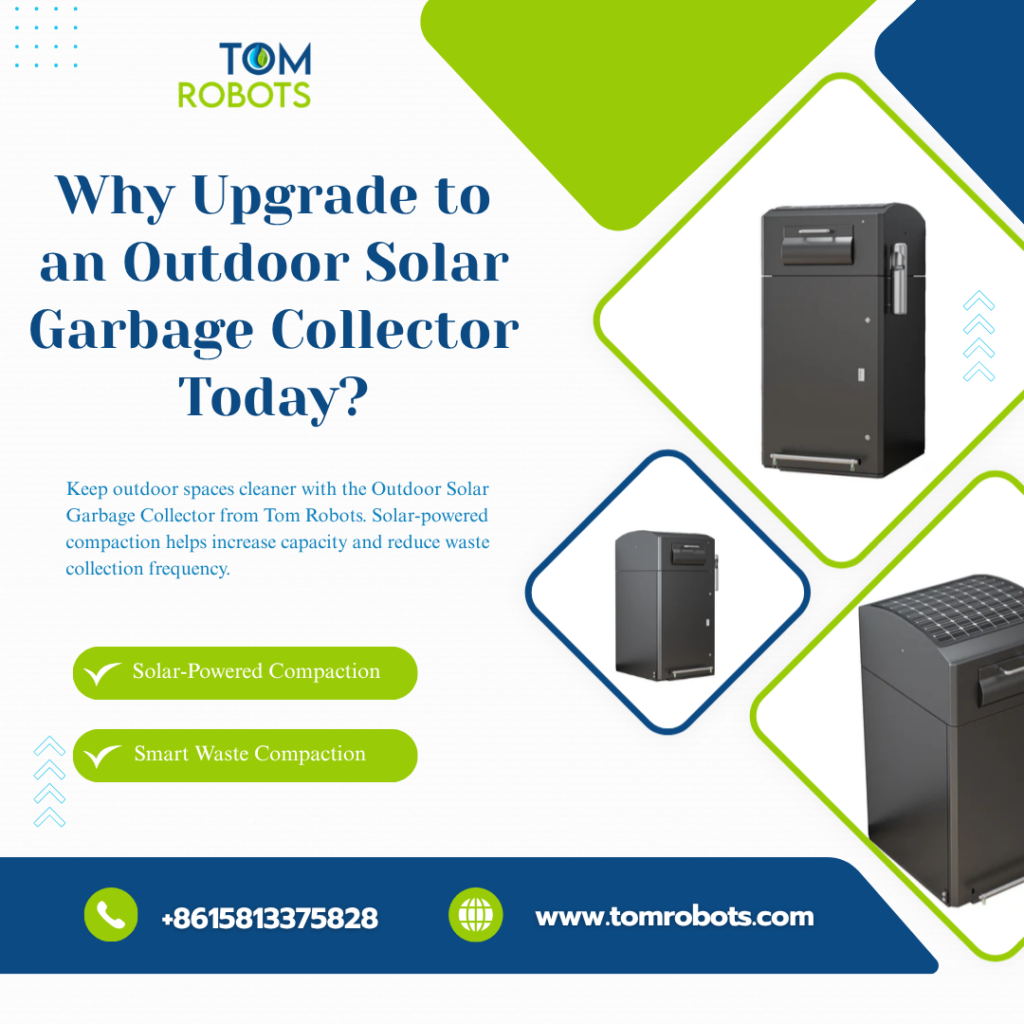

Installing a smart bin outside is not as simple as putting out a regular trash can. A Solar Smart Bin With Compactor needs a few things first. It needs good sunlight. It needs a flat, steady spot. It needs some planning before setup day. Skipping these steps can cause problems. The bin may not compact trash well. The battery may drain too fast. In this article, we go over what to check before you install one. We cover sunlight, placement, and care. This way, your bin works well from day one.
Pick a Spot With Enough Sunlight
Solar bins need steady sunlight. This charges the battery inside each day. A spot with lots of shade from trees or buildings will not charge the bin fully. This can slow down the compactor. It may even stop working.
Before you pick a spot, watch it for a full day if you can. See how many hours of direct sun it gets. Check this on shorter winter days too. A spot with four to six hours of clear sun usually works well for most bins.
Make Sure the Ground Is Flat
A Solar Compacting Bin needs a flat, solid surface. This keeps it safe to use. An uneven surface can make the bin tilt. This puts stress on the parts inside that do the compacting. Over time, this can wear out the bin faster.
Concrete or paved ground works best. If you want to place the bin on grass or gravel, add a small paved base first. This keeps the bin steady. It also makes it easier to empty on collection day.
Check the Bin Size Against Foot Traffic
Different spots need different bin sizes. A quiet park bench does not need the same size as a busy street or college campus. The wrong size means trouble. Either the bin overflows too much, or it gets emptied too often for no reason.
Look at how many people walk through the area each day. Think about how much trash they usually leave. Busy spots need a bigger bin. Quiet spots can use a smaller one. Getting this right from the start saves money on pickups and repairs later.
Understand How the Compactor Works
A Solar Compression Garbage Bin uses a sensor. This sensor checks when trash reaches a certain level inside. Once it senses this, a machine part presses the trash down. This makes room for more trash. So the bin can hold much more trash than a normal bin of the same size. It needs emptying less often too.
This helps you plan pickups better. Since the bin holds more trash, collection teams need fewer trips. This saves fuel and time. It also means the bin looks clean and tidy for longer. Trash does not pile up above the top.
Plan for Simple Upkeep
Even solar bins need some care now and then. Dust on the solar panel can block sunlight. This stops the battery from charging well. Wipe the panel clean every few weeks. This matters more in dusty places or after storms.
Check the sensor too, once in a while. A dirty or blocked sensor may stop the compactor from working right. Most problems are small. A quick clean often fixes them. Catching small problems early stops bigger repairs later.
Think About Weather Protection
Bins outside face rain, wind, and hot or cold weather all year. A good solar bin should have a sealed body. This keeps water away from the battery and wires inside. Check this before you install the bin. It helps avoid problems during heavy rain or snow.
Also ask about the bin’s temperature range. This matters if you live somewhere very hot or very cold. Batteries can act differently in extreme heat or cold. Knowing this ahead of time helps you know what to expect all year.
Confirm Setup and Support Details
Before the bin arrives, ask the seller what setup involves. Some bins are ready to use right away. Others may need a technician to set them up or adjust settings first. Knowing this early stops delays once the bin gets delivered.
Also ask about support after setup. Find out what happens if a part breaks or the sensor stops working. A seller who gives clear help and spare parts makes owning the bin much easier. This matters most for bins placed in busy public spots.
Conclusion
Getting these steps right before you install the bin means fewer surprises later. It also means the bin works well for years. Good sunlight, the right spot, and regular care all make a big difference in how a Solar Compacting Bin holds up over time.
Tom Robots offers a range of solar compacting bins built for parks, campuses, and busy public spaces.