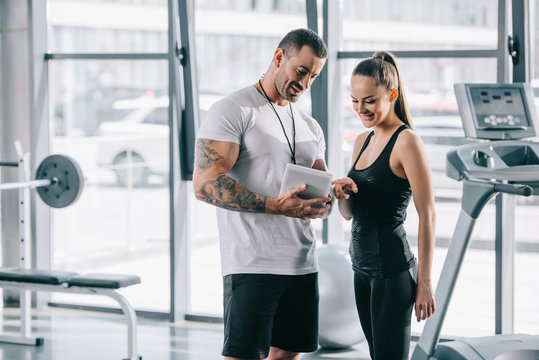

Starting a fitness journey can feel exciting and a little intimidating at the same time. Many people wonder what will happen during their first appointment, whether they are fit enough, or if they will be expected to complete difficult exercises right away.
The good news is that the first session is usually designed to help you feel comfortable while giving your coach a clear understanding of your current fitness level, lifestyle, and goals.
Working with a personal trainer is about much more than lifting weights or running on a treadmill. It is a personalized experience that focuses on creating a safe and realistic plan based on your needs. Whether your goal is improving strength, increasing endurance, or working with a weight loss coach, your first session lays the foundation for long-term success.
A Friendly Introduction
Your appointment will often begin with a conversation rather than a workout. This is your opportunity to discuss why you decided to seek professional guidance and what you hope to achieve.
The trainer may ask questions about:
- Your fitness history
- Previous injuries or medical conditions
- Daily activity levels
- Exercise preferences
- Short-term and long-term goals
- Current eating habits
These details help create a program that matches your abilities instead of following a one-size-fits-all routine.
Setting Clear Fitness Goals
Every successful fitness plan starts with realistic objectives. During your consultation, you’ll discuss goals that are measurable and achievable.
Some common goals include:
- Losing body fat
- Building muscle
- Increasing flexibility
- Improving cardiovascular fitness
- Preparing for a sporting event
- Recovering strength after inactivity
If your primary focus is reducing body weight, your sessions may include guidance from a weight loss coach, who can combine exercise recommendations with healthy lifestyle strategies for better long-term results.
Health and Lifestyle Assessment
Before beginning any physical activity, most trainers perform a basic health assessment. This ensures your exercise program is both safe and effective.
The assessment may include:
- Height and weight measurements
- Body composition analysis
- Blood pressure check
- Resting heart rate
- Mobility evaluation
- Posture assessment
These measurements serve as a starting point, allowing progress to be tracked accurately over time.
Discussing Your Exercise Experience
Not everyone arrives with the same level of fitness. Some clients have years of gym experience, while others are stepping into a fitness facility for the very first time.
An experienced personal trainer understands this and adjusts expectations accordingly. Beginners are never expected to perform advanced movements immediately. Instead, the focus remains on learning proper techniques and building confidence.
Learning Proper Movement Patterns
One of the most valuable parts of your first session involves learning how to move correctly.
Your trainer may demonstrate exercises such as:
- Bodyweight squats
- Lunges
- Push-ups
- Planks
- Hip hinges
- Light rowing movements
Rather than emphasizing heavy weights, attention is placed on posture, breathing, balance, and controlled movement.
Developing good technique early reduces injury risk and makes future workouts more effective.
Fitness Testing
Depending on your goals, your trainer may perform several basic fitness tests.
These might include:
- Flexibility assessment
- Balance evaluation
- Core stability tests
- Cardiovascular endurance check
- Functional movement screening
These assessments are not competitions. They simply provide useful information for designing a program that matches your current abilities.
Your First Workout
Many people expect an exhausting workout during the first meeting, but that’s rarely the case.
Instead, your initial workout is usually moderate and educational. The trainer wants to observe how your body responds to different exercises before increasing intensity.
A beginner session may include:
- Five to ten minutes of warm-up
- Mobility exercises
- Basic strength movements
- Light cardio
- Stretching and cool-down
The goal is to finish feeling challenged but not completely exhausted.
Learning Gym Equipment
If you’re unfamiliar with fitness equipment, your trainer will explain how to use it safely.
You may learn how to operate:
- Treadmills
- Stationary bikes
- Rowing machines
- Dumbbells
- Resistance machines
- Cable systems
Understanding proper equipment use builds confidence and helps prevent common mistakes.
Questions Are Encouraged
The first session is also your opportunity to ask questions.
You might ask about:
- Workout frequency
- Recovery days
- Nutrition basics
- Home exercises
- Stretching routines
- Progress tracking
Good trainers welcome questions because education is a major part of long-term success.
Building Confidence
Many beginners worry about being judged. In reality, trainers work with clients of every age, fitness level, and body type.
The purpose of the first appointment is not to impress anyone. It is to create an environment where you feel comfortable improving step by step.
Confidence grows naturally as you become familiar with exercises and begin noticing progress.
Nutrition Guidance
Exercise alone rarely delivers the best results without healthy eating habits.
Although trainers are not always registered dietitians, many provide general nutritional guidance that supports your goals.
If your objective involves fat reduction, working alongside a weight loss coach can help you develop sustainable eating habits instead of relying on restrictive diets or quick fixes.
Small improvements in meal planning, hydration, and portion control often produce meaningful results over time.
Creating Your Personalized Program
At the end of your appointment, your trainer will usually begin designing a customized fitness plan.
The program may include:
- Weekly workout schedule
- Strength training exercises
- Cardio recommendations
- Recovery strategies
- Progress milestones
- Home workout suggestions
Unlike generic online workout plans, this approach evolves as your fitness improves.
Tracking Future Progress
Progress is about much more than the number on the scale.
Future sessions may monitor:
- Strength improvements
- Increased endurance
- Better flexibility
- Reduced body fat percentage
- Improved posture
- Higher energy levels
Regular assessments help identify what is working and where adjustments may be needed.
Staying Motivated
Consistency is often the biggest challenge in any fitness journey.
One advantage of working with a personal trainer is accountability. Scheduled sessions encourage commitment, while regular feedback keeps motivation high during periods when progress may seem slow.
Many clients discover that having professional support makes it easier to stay focused on long-term goals instead of temporary setbacks.
Preparing Before Your First Appointment
A little preparation can make your first visit more enjoyable.
Consider bringing:
- Comfortable workout clothes
- Supportive athletic shoes
- Water bottle
- Small towel
- List of medications if applicable
- Questions about your goals
Arriving a few minutes early also allows enough time to complete any necessary paperwork without feeling rushed.
Final Thoughts
Your first session is not about proving how fit you already are. It is about creating a starting point that supports safe, steady, and lasting progress. From goal setting and health assessments to learning proper exercise techniques, every part of the appointment is designed to help you succeed.
Whether you’re hoping to build strength, improve overall fitness, or work closely with a weight loss coach, the first meeting provides the guidance and confidence needed to move forward. With patience, consistency, and expert support, your fitness journey becomes far more manageable and enjoyable from day one.