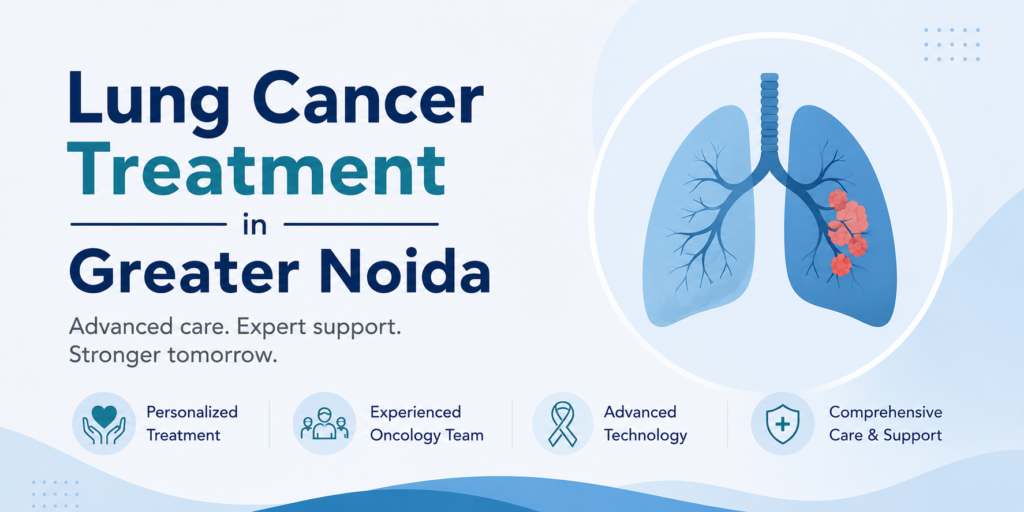

Receiving a lung cancer diagnosis can raise many questions about the road ahead. Patients and their families often want to know what the treatment process involves, which options are available, and how to prepare for each stage of care.
If you’re looking for lung cancer treatment in Greater Noida, understanding the treatment journey can help you make informed decisions and feel more prepared. At Prakash Hospital, patients receive comprehensive evaluation, individualized treatment plans, and coordinated care based on their medical needs.
Understanding Lung Cancer
Lung cancer begins when abnormal cells grow uncontrollably in the lungs. Depending on the type and stage of the disease, treatment may involve one or more therapies aimed at controlling or removing cancer while supporting the patient’s overall health.
The two main categories of lung cancer are:
- Non-Small Cell Lung Cancer (NSCLC) – The most common type.
- Small Cell Lung Cancer (SCLC) – A faster-growing form that often requires prompt treatment.
An accurate diagnosis helps determine the most appropriate treatment plan.
Step 1: Initial Medical Evaluation
Before treatment begins, doctors perform a detailed assessment to understand the patient’s condition.
This evaluation may include:
- Medical history review
- Physical examination
- Chest X-ray
- CT scan
- PET-CT scan, when indicated
- Bronchoscopy
- Tissue biopsy
- Blood tests
- Molecular testing for eligible patients
These investigations help identify the type, location, and stage of the cancer.
Step 2: Creating a Personalized Treatment Plan
No two lung cancer cases are exactly alike. Doctors consider several factors before recommending treatment, including:
- Type of lung cancer
- Stage of the disease
- Age and general health
- Existing medical conditions
- Results of diagnostic tests
- Individual treatment goals
A personalized treatment plan is designed to address the patient’s specific clinical needs.
Common Treatment Options
Surgery
When the cancer is confined to the lung, surgery may be recommended to remove the tumor and affected tissue.
Chemotherapy
Chemotherapy uses medicines to destroy cancer cells or slow their growth. It may be given before surgery, after surgery, or as the primary treatment in certain situations.
Radiation Therapy
Radiation therapy targets cancer cells with high-energy radiation and may be used alone or alongside other treatments.
Targeted Therapy
For patients with specific genetic changes, targeted medicines may be recommended after molecular testing.
Immunotherapy
Immunotherapy may be appropriate for selected patients depending on the characteristics of their cancer.
Managing Side Effects
Every patient’s experience is different. Some treatments may cause temporary side effects that vary depending on the therapy used.
Healthcare teams may provide guidance for managing:
- Fatigue
- Loss of appetite
- Nausea
- Changes in breathing
- Skin irritation after radiation therapy
- Emotional stress
Patients should always report new or worsening symptoms to their healthcare provider.
Follow-Up Care Is Essential
Treatment does not end after the last therapy session. Regular follow-up appointments help doctors:
- Monitor recovery
- Assess treatment response
- Detect any recurrence or progression
- Manage long-term health concerns
- Recommend additional care if needed
Following the recommended follow-up schedule is an important part of ongoing care.
Why Choose Prakash Hospital?
Patients seeking lung cancer treatment in Greater Noida often look for hospitals that provide coordinated care throughout every stage of treatment.
Prakash Hospital offers:
- Comprehensive diagnostic services
- Experienced multidisciplinary specialists
- Personalized treatment planning
- Modern healthcare infrastructure
- Patient education and counseling
- Supportive care during treatment
- Regular follow-up services
The goal is to provide evidence-based medical care while supporting patients and their families throughout the treatment journey.
Tips for Patients and Caregivers
Preparing for treatment can help reduce stress and improve communication with the healthcare team.
Some helpful suggestions include:
- Keep a record of medical reports.
- Prepare questions before appointments.
- Take medicines as prescribed.
- Maintain a balanced diet.
- Stay physically active if advised by your doctor.
- Ask for emotional support when needed.
- Attend every scheduled follow-up visit.
Frequently Asked Questions
How is the best treatment for lung cancer decided?
Doctors consider the type of cancer, its stage, overall health, and diagnostic test results before recommending a treatment plan.
Can more than one treatment be used?
Yes. Many patients receive a combination of treatments, such as surgery followed by chemotherapy or radiation therapy, depending on their clinical condition.
How long will treatment continue?
The duration of treatment depends on the type of therapy, stage of cancer, and individual response to treatment.
Is follow-up care necessary?
Yes. Regular follow-up appointments help monitor recovery, assess treatment response, and manage any long-term health concerns.
Where can I find lung cancer treatment in Greater Noida?
Patients looking for lung cancer treatment in Greater Noida can consult Prakash Hospital for comprehensive evaluation, personalized treatment planning, and multidisciplinary cancer care.
Conclusion
Understanding the treatment process can help patients approach lung cancer care with greater confidence. From diagnosis and treatment planning to follow-up care, every stage requires careful medical evaluation and ongoing support.
If you are searching for lung cancer treatment in Greater Noida, Prakash Hospital is committed to providing patient-centered care through advanced diagnostics, individualized treatment plans, and compassionate support throughout the healthcare journey.