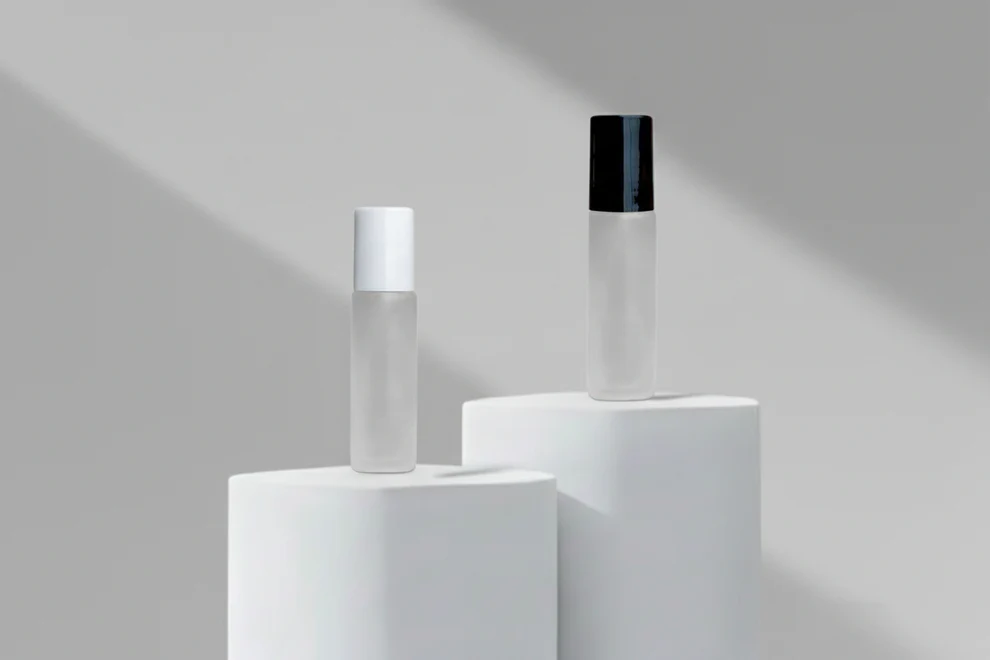

Packaging decisions matter more than most brands give them credit for. The Roll on bottle placed on a customer’s vanity or in their gym bag is doing several jobs at once. It is protecting the formulation inside, delivering a consistent application experience, and communicating something about the brand before a single word of marketing copy is read. For roll-on products especially, where the packaging is part of the application mechanism itself, getting this decision right has real consequences.
Start With What the Product Needs
Before looking at aesthetics or price, think about the formulation going inside. Essential oils, perfume blends, serums, and topical wellness products all behave differently and have different requirements from their packaging.
Products applied directly to skin need controlled dispensing. Too much product delivered at once wastes formulation and frustrates customers. Too little makes the product feel ineffective. The bottle and roller combination needs to work with the viscosity of your specific formulation rather than against it. A bottle that performs beautifully with a thin perfume blend may be completely wrong for a thicker serum.
Glass Over Plastic for Most Formulations
The material question comes up early and the answer for most serious cosmetic and wellness products is glass. The reason is compatibility. Essential oils in particular are aggressive toward certain plastics, causing them to degrade over time. That degradation affects both the packaging and potentially the formulation inside it.
Glass is non-reactive. It does not absorb odors, does not interact with active ingredients, and does not compromise the formulation regardless of how long the product sits on a shelf. For brands positioning themselves at any level above budget, glass also communicates quality in a way that plastic simply cannot replicate. The weight, the feel, the appearance all signal something different to the customer picking it up.
Light Protection Is Not Optional for Sensitive Ingredients
UV exposure degrades certain ingredients faster than anything else. Botanical extracts, essential oils, and many active skincare compounds break down when light reaches them consistently over time. This is not a theoretical concern. It affects shelf life, product effectiveness, and ultimately customer satisfaction when a product that worked well at first stops delivering the same results months later.
Amber Frosted Roll-On Glass Bottle addresses this directly. This Bottle significantly reduces light penetration while looking refined rather than purely functional. For essential oils and aromatherapy products especially, amber glass is the standard choice among brands that take formulation stability seriously. The frosted finish adds a premium quality to the appearance while the amber tint does the protective work underneath.
When Visibility Matters
Not every formulation needs maximum light protection. Some products benefit from letting the customer see what is inside, particularly if the product has a distinctive color or if transparency is part of the brand’s identity around natural ingredients.
A Clear Frosted Roll-On Glass Bottle, sits in an interesting middle ground. The frosted finish gives it a sophisticated appearance that reads as premium rather than clinical, while still allowing partial visibility of the contents. For brands with beautifully colored formulations or those leaning into a clean and modern aesthetic, this option often works better than amber. It is worth being honest about whether your specific product actually requires UV protection or whether amber glass is just assumed to be the right choice.
Roller Ball Quality Affects Every Single Use
The roller mechanism is easy to overlook when evaluating packaging options because it is a small component. It is also the part the customer interacts with every time they use the product. A roller that sticks, drags, or dispenses inconsistently is going to create a negative experience regardless of how good the formulation inside is.
Stainless steel and glass roller balls are the materials worth specifying. They move smoothly, hold up over time, and do not react with formulations the way some cheaper materials can. Test the roller with your actual product before committing to a production run. Viscosity differences between formulations mean that a roller performing well with one product may not deliver the same experience with another.
Leak Resistance Protects the Product and the Brand
A roll-on bottle that leaks in a handbag or luggage creates a customer service problem and often a lost customer. The fit between the bottle, roller assembly, and cap needs to be secure enough to handle the movement and temperature changes that come with everyday carrying and travel.
This is worth verifying rather than assuming. Evaluate the seal quality of any bottle you are considering and test it under realistic conditions. The inconvenience of discovering a leak problem after production is considerably greater than the effort of checking, thoroughly beforehand.
Size, Sustainability and Brand Alignment
Bottle capacity should reflect, how the product is actually used. Travel-sized and concentrated formulations, suit smaller bottles. Daily use products applied generously need larger capacity to avoid the frustration of running out quickly.
On sustainability, glass has a genuine advantage over plastic. It can be reused, recycled, and does not contribute to microplastic concerns. For brands with environmentally conscious customers, this is worth communicating clearly because it matters to purchasing decisions in ways that continue to grow.
The overall appearance of the bottle, its shape, finish, and proportions, should feel consistent with the brand rather than generic. Frosted glass in particular carries a premium and considered quality that works across a wide range of brand identities.
Conclusion
Frosted Roll-On Glass Bottle selection is a decision with long-term consequences for product performance and brand perception. Material, light protection, roller quality, leak resistance, and visual presentation all deserve proper consideration rather than being decided on price alone. Companies like Aesthetic Pack offer options across these variables, making it easier to find packaging that genuinely serves both the formulation and the brand presenting it.