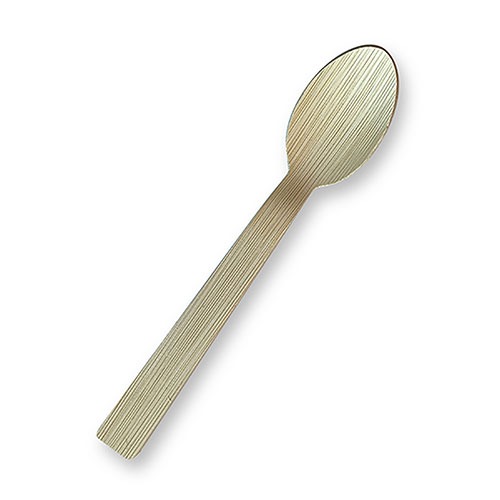

Most people don’t think much about the fork they grab with lunch. You use it for 10 minutes, toss it out, and move on with your day. I used to do the same thing.
Then we started paying closer attention to how much single-use waste piles up in homes, cafés, events, and office kitchens. That small habit adds up fast. And honestly, it changed the way we looked at convenience. That’s where bamboo cutlery started making sense.
The shift wasn’t dramatic. It was practical. People still wanted something lightweight, easy to carry, and simple to clean up after meals. They just wanted a better option sitting in their drawer or takeaway bag.
Small habits create a lot of waste
Walk through any food court after lunch and you’ll see it. Plastic forks bent in half. Disposable spoons sitting in overflowing bins. Packaging stacked on top of packaging.
Most of it gets used once.
That’s why customers have started asking better questions. They want products that feel thoughtful instead of disposable in the worst sense of the word. People notice the materials now. They notice how things feel in their hands. They notice whether something feels cheaply made or intentionally chosen.
And once you notice waste, it’s hard to stop seeing it.
Quality matters more than people expect
Cheap cutlery has a weird way of ruining a meal. A fork snaps halfway through pasta. A spoon softens in hot soup. Everyone has had that moment.
Good disposable products should still feel reliable.
That’s one reason bamboo caught attention so quickly. It feels solid without being heavy. The texture is smoother than many people expect, and it handles hot or cold food well. You don’t get that flimsy feeling that comes with low-grade plastic utensils.
Customers remember details like that. Especially at catered events, cafés, weddings, and workplace lunches where presentation matters.
People might not compliment the spoon directly (that would honestly be strange), but they do notice when everything feels clean, comfortable, and intentional.
Convenience still matters
Nobody wants complicated cleanup after a meal.
That part hasn’t changed.
People still need products that work for busy days, takeaway orders, outdoor events, school lunches, and travel. The difference now is that convenience has started sharing space with responsibility. Customers want both.
We’ve seen this especially with businesses serving food at markets and events. They need products that are simple to store, easy to hand out, and dependable during service. Time matters when there’s a line of hungry people waiting for coffee and sandwiches.
Products that create less guilt afterward tend to stick in people’s minds.
Customer expectations have changed quietly
A few years ago, many buyers focused mostly on price. That conversation has shifted.
Customers now pay attention to packaging, materials, and waste in ways they didn’t before. Some businesses even get asked directly what kind of utensils they provide with takeaway orders.
That’s a real change.
And it’s happening across restaurants, corporate catering, schools, and private events. People want products that fit modern habits. They’re looking for cleaner materials, simpler design, and products that feel considered instead of careless.
The funny part is how normal it starts to feel once you switch. A lot of people try bamboo cutlery once at an event or café and then begin looking for it elsewhere because the experience feels better overall.
Comfort and usability matter more than trends
Some products sound good in theory and frustrating in practice. People won’t keep using something that feels awkward.
That’s why comfort matters.
Good utensils should feel balanced in your hand. They should work with different foods without splintering or bending. And they should feel natural enough that you stop thinking about them after the first few bites.
That’s probably why so many cafés and event planners have moved toward bamboo products. Guests don’t need instructions. There’s no adjustment period. You pick it up and eat your lunch.
Simple wins.
The long-term value is bigger than the product itself
There’s also a branding side to this that businesses notice quickly.
Customers associate small details with overall quality. The type of cup, napkin, packaging, or utensil used during service shapes how people remember an experience. It sounds minor until you see reviews mentioning presentation and thoughtful packaging again and again.
That doesn’t happen by accident.
Businesses want products that reflect care without creating extra friction for staff or customers. A better dining experience often comes from small practical choices repeated consistently over time.
And for households, the value is just as simple. People want easy ways to reduce unnecessary waste without turning daily life into a project.
Thoughtful choices tend to stick
Most people aren’t trying to live perfectly waste-free lives. They’re trying to make smarter decisions where they can.
That’s a more realistic goal.
You bring a reusable bottle some days. You recycle when possible. You choose products that create less unnecessary waste. Those small decisions build habits over time.
That’s why sustainable products work best when they fit naturally into everyday routines. Nobody wants a lecture while eating noodles at lunch.
They just want something that works well and feels like a better choice.
Conclusion
Switching habits usually starts with something small. A coffee cup. A shopping bag. A takeaway fork.
For many customers, bamboo cutlery became one of those small shifts that quietly changed how they think about convenience and waste. It still does the same job. It just feels more considered.
At Disposable King, we’ve seen more businesses and households choosing products that balance practicality with smarter everyday decisions. And honestly, that change feels long overdue.