
What is the Role of the Gut Microbiome in Weight Management?
Achieving and maintaining a healthy weight is not only about appearance; it is deeply connected to long-term health, energy levels, and disease prevention. Weight management has become an important focus today because lifestyle-related conditions such as obesity, diabetes, and metabolic disorders are on the rise. While diet and exercise are well-known factors, modern science is now highlighting another powerful contributor that works silently inside the body—the gut microbiome.
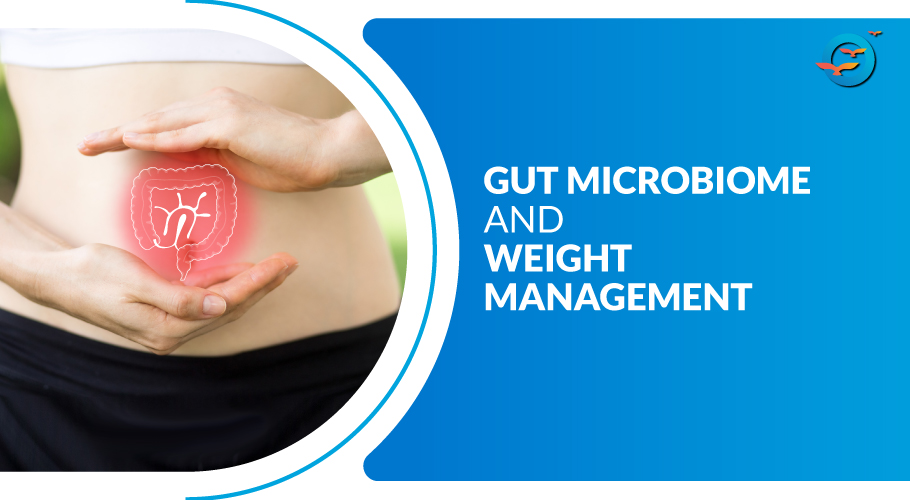
The gut microbiome refers to the trillions of microorganisms, including bacteria, viruses, and fungi, that live in our digestive tract. These microorganisms are not harmful by default; in fact, many of them are essential for normal body functions. Research over the past decade has shown that the composition and balance of these gut microbes play a significant role in how the body manages weight, processes food, and regulates metabolism.
One of the most important ways the gut microbiome affects weight management is through nutrient digestion and absorption. When we eat food, it is not just our digestive enzymes that break it down. Gut bacteria help process complex carbohydrates, fibers, and other nutrients that the human body cannot digest on its own. Depending on the type of bacteria present, the body may extract more or fewer calories from the same amount of food. A balanced microbiome supports efficient and healthy nutrient absorption, while an imbalanced one may lead to excessive calorie extraction, increasing the risk of weight gain over time.
Metabolism is another area strongly influenced by gut bacteria. The microbiome plays a role in how carbohydrates, fats, and proteins are metabolized. Certain bacterial profiles are associated with better insulin sensitivity and fat metabolism, while others are linked to metabolic slowdown and fat accumulation. When the gut microbiome is disturbed, metabolic processes can become inefficient, making it easier to gain weight and harder to lose it despite efforts such as calorie control or physical activity.
Appetite regulation is also closely connected to gut health. Some gut bacteria produce chemical messengers and hormones that signal fullness and hunger to the brain. These signals help determine when we feel satisfied after a meal and when we feel hungry again. If the gut microbiome is unhealthy, these signals can become distorted, leading to increased cravings, frequent hunger, and overeating. This imbalance often results in consuming more calories than the body needs, contributing to gradual weight gain.
Inflammation is another hidden factor linking the gut microbiome to weight management. A healthy gut supports a balanced immune response and keeps inflammation under control. However, an unhealthy gut can trigger chronic low-grade inflammation in the body. This type of inflammation interferes with insulin function and fat metabolism, increasing the risk of obesity and metabolic disorders. Over time, persistent inflammation makes weight loss more difficult and encourages fat storage, especially around the abdomen.
Energy storage and fat distribution are also influenced by gut bacteria. Some microorganisms affect how the body decides whether to burn calories immediately or store them as fat. An imbalance in gut bacteria can push the body toward storing more energy as fat rather than using it efficiently. This effect is often seen as increased belly fat, which is closely associated with metabolic health risks.
The gut-brain axis further explains how gut health shapes eating behavior. The gut and brain are in constant communication through nerves, hormones, and chemical signals. This two-way connection influences mood, stress levels, food preferences, and emotional eating. When the gut microbiome is disturbed, this communication may promote unhealthy cravings, comfort eating, or irregular eating patterns, all of which negatively affect weight management.
Hormonal balance is another critical area impacted by gut bacteria. Hormones such as insulin and leptin play major roles in regulating blood sugar levels, fat storage, and appetite. An unhealthy gut microbiome can disrupt the production and functioning of these hormones, increasing insulin resistance and reducing the body’s ability to sense fullness. These hormonal changes create a strong environment for weight gain.
Beneficial gut bacteria also produce short-chain fatty acids, which are important compounds involved in energy regulation, gut health, and appetite control. These compounds support fat burning, reduce inflammation, and help maintain a healthy gut lining. A diverse and fiber-rich diet encourages the production of these beneficial substances, strengthening the link between gut health and weight balance.
Supporting the gut microbiome through diet and lifestyle plays a vital role in sustainable weight management. Foods rich in fiber act as prebiotics, nourishing good bacteria, while fermented foods and probiotics introduce beneficial strains into the gut. Reducing unnecessary antibiotic use, managing stress, and maintaining regular sleep patterns also help preserve microbial balance.
At Freedom From Diabetes, we deeply understand the connection between gut health and weight management. Our carefully designed approach takes all these factors into account. Through our four core protocols—diet, exercise, inner transformation, and medical assistance—we help participants restore gut balance, improve metabolism, and achieve lasting health outcomes. Seeing individuals regain control over their weight and well-being is what truly motivates and fulfills our work.