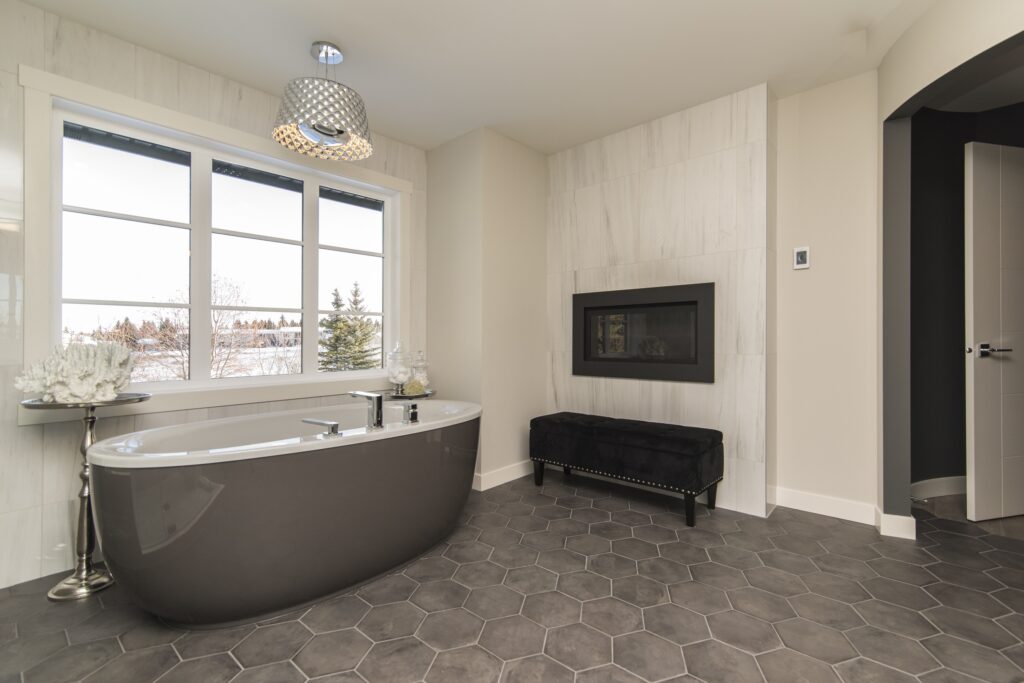

Thinking about upgrading your bathroom, but not sure where to start? You’re not alone. Many homeowners feel overwhelmed when they first consider a bathroom renovation because it involves design, plumbing, materials, and budgeting all at once.
So what exactly is bathroom renovation? Is it just replacing tiles and fixtures, or is it something more detailed?
In simple terms, bathroom renovation means upgrading, redesigning, or completely transforming your bathroom to improve functionality, comfort, and appearance. Whether you’re planning a small update or a full remodel, understanding the basics will help you avoid costly mistakes and make better decisions.
What Is Bathroom Renovation?
Bathroom renovation refers to the process of improving or redesigning an existing bathroom. This can include anything from minor upgrades to a complete structural transformation.
A basic renovation might involve replacing fixtures like sinks, taps, or tiles. A full renovation, on the other hand, may include changing the layout, upgrading plumbing systems, and installing new cabinetry, lighting, and finishes.
The goal is simple: create a space that is more functional, visually appealing, and better suited to your needs.
Why Do Homeowners Choose Bathroom Renovations?
Many homeowners decide to renovate their bathrooms for both practical and aesthetic reasons. Over time, bathrooms can become outdated, less functional, or even damaged due to regular use.
A renovation helps improve daily comfort while also increasing property value. It also allows you to fix issues such as poor layout, lack of storage, or inefficient fixtures that waste water and energy.
Key Elements of a Bathroom Renovation
Layout and Space Planning
The layout determines how your bathroom functions. A well-planned layout ensures smooth movement and efficient use of space.
Whether your bathroom is large or small, proper planning helps avoid clutter and improves usability.
Fixtures and Fittings
Fixtures such as sinks, toilets, showers, and bathtubs are essential components. Choosing high-quality fixtures improves both performance and durability.
Modern fixtures also help save water and energy, making them a practical long-term investment.
Materials and Finishes
Materials play a major role in both appearance and durability. Common options include tiles, stone, and moisture-resistant surfaces.
Choosing the right finishes ensures your bathroom looks good while withstanding daily use.
Storage Solutions
Storage is often overlooked but extremely important. Cabinets, shelves, and vanities help keep your bathroom organized and clutter-free.
Smart storage solutions can significantly improve the functionality of even small bathrooms.
Lighting and Ventilation
Good lighting enhances both functionality and aesthetics. Task lighting around mirrors and ambient lighting for the overall space are essential.
Proper ventilation prevents moisture buildup, reducing the risk of mould and damage over time.
How to Plan a Bathroom Renovation
1. Set Your Budget
Start by deciding how much you’re willing to spend. Your budget will guide your choices for materials, fixtures, and design.
Always keep a small buffer for unexpected costs.
2. Define Your Needs
Think about what you want to achieve. Do you need more storage? Better lighting? A modern look?
Understanding your priorities helps you make better design decisions.
3. Choose the Right Design
Select a design style that matches your home. Whether you prefer modern, classic, or minimalist, consistency is key.
A well-matched design creates a more cohesive and appealing space.
4. Hire Professionals
Bathroom renovations often involve plumbing and electrical work. Hiring experienced professionals ensures quality results and avoids costly mistakes.
Common Mistakes to Avoid
- Ignoring Functionality: A bathroom may look stylish, but if it doesn’t function well, it can be frustrating. Always prioritize usability over appearance.
- Poor Planning: Rushing into renovation without a clear plan can lead to delays and unexpected costs. Take time to plan each detail carefully.
- Choosing Cheap Materials: Low-quality materials may save money initially but can lead to higher maintenance costs later. Invest in durable materials for long-term value.
- Lack of Storage: Not including enough storage can make your bathroom feel cluttered. Always plan for adequate storage solutions.
Conclusion
Bathroom renovation is more than just updating a space; it’s about improving comfort, functionality, and long-term value. Whether you’re making small changes or planning a complete remodel, understanding the process helps you make better decisions.
With proper planning, the right materials, and a clear vision, you can create a bathroom that not only looks great but also works efficiently for your daily needs.
At Modern Design Kitchens, we bring the same level of precision and design expertise to renovation projects, helping homeowners create spaces that are both practical and beautifully designed.
Frequently Asked Questions (FAQ)
1. What is included in a bathroom renovation?
It includes upgrading fixtures, tiles, layout, lighting, and overall design.
2. How long does a bathroom renovation take?
It usually takes a few weeks, depending on the size and complexity of the project.
3. Is bathroom renovation expensive?
Costs vary based on materials, design, and labour, but proper planning helps control expenses.
4. Can I renovate a small bathroom?
Yes, even small bathrooms can be transformed with smart design and layout planning.
5. Does bathroom renovation increase home value?
Yes, a well-designed bathroom can significantly improve property value.