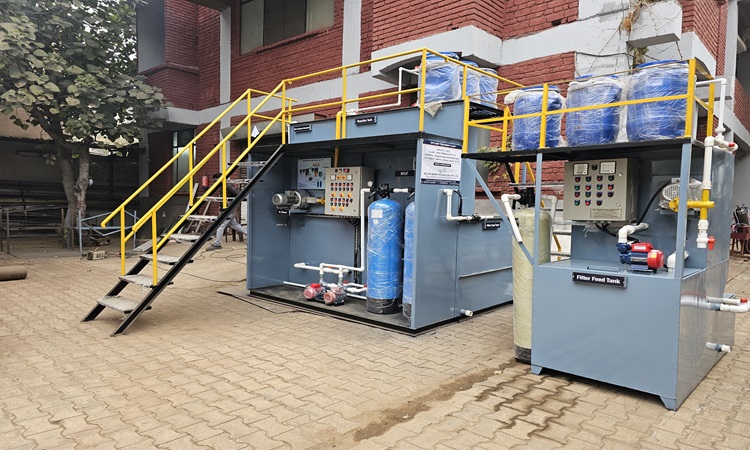

A Sewage Treatment Plant is a critical component of urban and industrial infrastructure designed to treat wastewater generated from households, commercial buildings, institutions, and industries. With increasing population growth, rapid urbanization, and limited freshwater resources, the importance of sewage treatment plants has grown significantly. But what exactly is a sewage treatment plant, how does it work, and why is it so important for environmental sustainability and public health? Let us explore these questions in detail.
What Is a Sewage Treatment Plant?
A Sewage Treatment Plant is a system that removes contaminants from wastewater to make it safe for discharge into the environment or suitable for reuse. The wastewater typically contains organic matter, suspended solids, nutrients, pathogens, oils, and chemicals. Without proper treatment, releasing this wastewater directly into rivers, lakes, or land can cause severe environmental damage and health hazards.
An STP uses physical, biological, and sometimes chemical processes to treat sewage and convert it into treated water and sludge. The treated water can be reused for gardening, flushing, cooling towers, or safely discharged, while the sludge can be further processed for disposal or use as manure.
Why Are Sewage Treatment Plants Necessary?
Sewage treatment plants are essential for several reasons:
- Protection of Public Health
Untreated sewage contains harmful bacteria, viruses, and parasites that can cause diseases such as cholera, dysentery, and typhoid. STPs eliminate these pathogens, ensuring safer living conditions.
- Environmental Protection
Direct discharge of untreated sewage pollutes water bodies, harms aquatic life, and disrupts ecosystems. STPs reduce pollution loads and help preserve rivers and groundwater.
- Water Conservation
With water scarcity becoming a major concern, treated wastewater can be reused, reducing dependency on fresh water sources.
- Regulatory Compliance
Environmental authorities mandate sewage treatment before discharge. Installing an STP helps organizations comply with pollution control norms and avoid penalties.
How Does a Sewage Treatment Plant Work?
The operation of a sewage treatment plant generally takes place in multiple stages:
- Preliminary Treatment
This is the first stage where large objects such as plastic, rags, stones, and debris are removed using bar screens and grit chambers. This protects downstream equipment from damage.
- Primary Treatment
In this stage, wastewater is allowed to settle in primary clarifiers. Heavy solids settle at the bottom as sludge, while oils and grease float to the surface and are skimmed off. This step removes a significant portion of suspended solids.
- Secondary (Biological) Treatment
This is the most crucial stage of sewage treatment. Microorganisms are used to break down organic matter. Common biological processes include:
- Activated Sludge Process (ASP)
- Moving Bed Biofilm Reactor (MBBR)
- Sequential Batch Reactor (SBR)
- Membrane Bioreactor (MBR)
These processes significantly reduce Biological Oxygen Demand (BOD) and Chemical Oxygen Demand (COD).
- Tertiary Treatment
Tertiary treatment further improves water quality by removing nutrients, pathogens, and remaining impurities. Methods may include filtration, chlorination, UV disinfection, or ozonation.
- Sludge Treatment
The sludge collected during treatment is thickened, digested, and dewatered. Treated sludge can be safely disposed of or used as compost or soil conditioner.
What Are the Different Types of Sewage Treatment Plants?
Sewage treatment plants can be classified based on capacity, technology, and application:
- Domestic Sewage Treatment Plants
Used for residential apartments, housing societies, villas, and townships.
- Commercial STPs
Installed in hotels, malls, offices, hospitals, and educational institutions.
- Industrial STPs
Designed to handle wastewater generated from industries with higher organic loads.
- Package or Compact STPs
Prefabricated, space-saving plants ideal for small to medium capacities and urban areas.
What Are the Key Benefits of Installing a Sewage Treatment Plant?
Installing an STP offers multiple advantages:
- Reduction in water bills through reuse
- Lower environmental impact
- Improved hygiene and sanitation
- Compliance with pollution control norms
- Long-term cost savings
- Enhanced property value
Where Are Sewage Treatment Plants Commonly Used?
Sewage treatment plants are widely used in:
- Residential societies and gated communities
- Hotels and resorts
- Hospitals and healthcare facilities
- Commercial complexes and IT parks
- Industrial units
- Airports and railway stations
- Municipal wastewater systems
What Challenges Are Associated with Sewage Treatment Plants?
Despite their benefits, STPs face certain challenges:
- Improper operation and maintenance
- High initial installation cost
- Odor issues if not designed correctly
- Sludge disposal management
- Need for skilled operation in conventional systems
How Do Modern Sewage Treatment Plants Support Sustainability?
Sewage treatment plants play a vital role in achieving sustainability goals. By recycling wastewater, reducing pollution, and conserving freshwater resources, STPs support the concept of a circular water economy. Treated water reuse reduces pressure on natural water bodies, while sludge management contributes to resource recovery.
Additionally, energy-efficient designs and low-power biological processes make modern STPs environmentally and economically sustainable.
Conclusion:
In today’s world, where water scarcity and environmental degradation are pressing concerns, sewage treatment plants are no longer optional — they are a necessity. An efficiently designed and well-maintained STP ensures safe wastewater disposal, promotes water reuse, protects ecosystems, and supports public health.
Whether for residential, commercial, or industrial use, investing in a sewage treatment plant is a forward-looking decision that contributes to sustainable development and environmental responsibility. As regulations become stricter and awareness grows, sewage treatment plants will continue to play a central role in building cleaner, healthier, and more sustainable cities.