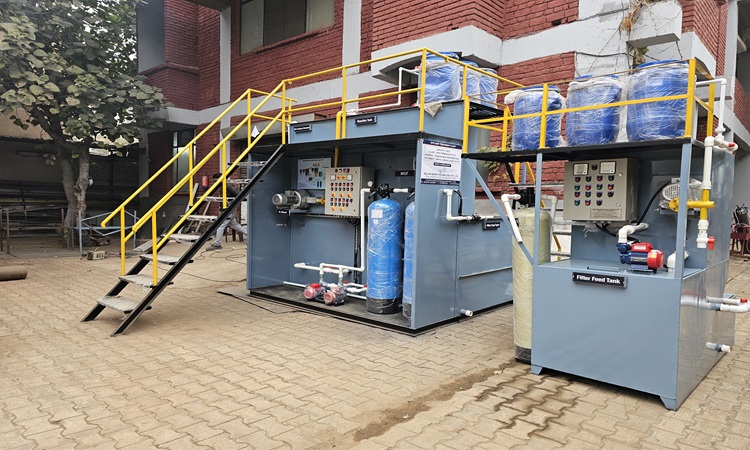

Sewage treatment plants (STPs) are critical facilities designed to treat wastewater and sewage before releasing it back into the environment or reusing it. With increasing urbanization and industrialization, untreated wastewater has become a major source of water pollution, affecting rivers, lakes, and groundwater. STPs play a vital role in ensuring that water is clean, safe, and environmentally compliant.
Why Is Sewage Treatment Important?
Why should we treat sewage instead of discharging it directly into rivers or lakes? Untreated sewage contains harmful bacteria, viruses, chemicals, and other pollutants that can spread diseases such as cholera, dysentery, and hepatitis. It also degrades the natural ecosystem by depleting oxygen in water bodies, killing aquatic life, and creating foul odours. By implementing an STP, communities can protect public health, conserve water, and comply with environmental regulations.
What Are the Main Components of a Sewage Treatment Plant?
Sewage treatment plants consist of several essential components that work together to treat wastewater efficiently:
- Screening: Large solids like plastics, rags, and debris are removed using screens to prevent damage to downstream equipment.
- Primary Sedimentation Tank: Suspended solids settle at the bottom as sludge, while oil and grease float on the surface and are skimmed off.
- Aeration Tank: Microorganisms break down organic matter in the sewage with the help of oxygen. This biological treatment reduces the pollutant load significantly.
- Secondary Sedimentation Tank: The treated water from the aeration tank is allowed to settle, separating the biomass and producing clearer effluent.
- Disinfection: Treated water is disinfected, usually using chlorine, UV, or ozone, to kill any remaining pathogens before discharge.
- Sludge Treatment: Sludge collected from sedimentation tanks is treated through digestion, dewatering, or composting for safe disposal or reuse.
How Does the Sewage Treatment Process Work?
The treatment process in an STP can be broadly divided into primary, secondary, and tertiary treatment:
- Primary Treatment: Physical processes like screening and sedimentation remove large solids and suspended particles.
- Secondary Treatment: Biological processes, often using activated sludge or biofilm reactors, decompose organic pollutants into simpler compounds.
- Tertiary Treatment: Advanced processes such as filtration, nutrient removal, and chemical treatment remove remaining contaminants to meet strict discharge standards.
What Are the Different Types of Sewage Treatment Plants?
STPs can be designed for various capacities and purposes depending on the size of the community, type of wastewater, and land availability:
- Conventional Activated Sludge Plant (ASP): Uses aeration tanks and biological treatment to reduce organic pollutants.
- Sequencing Batch Reactor (SBR): A time-based batch process that combines aeration and sedimentation in one tank.
- Moving Bed Biofilm Reactor (MBBR): Uses floating media for biofilm growth to improve efficiency in a smaller footprint.
- Membrane Bioreactor (MBR): Combines biological treatment with membrane filtration to produce high-quality effluent suitable for reuse.
- Compact or Package STP: Prefabricated modular plants ideal for hotels, resorts, apartments, and industries with limited space.
How Can Sewage Treatment Benefit Hotels and Resorts?
Hotels and resorts generate large amounts of wastewater, including greywater from kitchens, bathrooms, and laundry. Installing an STP on-site can provide several benefits:
- Water Reuse: Treated water can be reused for landscaping, flushing, or cooling towers.
- Cost Savings: Reduces dependency on municipal water supply and lowers water bills.
- Sustainability: Promotes eco-friendly operations, essential for green certifications.
- Regulatory Compliance: Ensures adherence to local discharge standards, avoiding fines and legal issues.
What Are the Challenges in Operating a Sewage Treatment Plant?
While STPs are essential, they come with operational challenges:
- Maintenance: Regular cleaning of screens, aerators, and sludge tanks is essential to avoid blockages and inefficiencies.
- Energy Consumption: Biological treatment and aeration can consume significant electricity. Energy-efficient designs are necessary.
- Sludge Management: Proper disposal or reuse of sludge is critical to prevent secondary pollution.
- Skill Requirement: Operators need proper training to manage biological and chemical processes effectively.
How Does Technology Improve Sewage Treatment?
Modern STPs leverage advanced technology for better performance:
- Automation and Monitoring: Sensors and SCADA systems allow remote monitoring, real-time control, and predictive maintenance.
- Compact Designs: Modular and compact STPs reduce space requirements and installation time.
- Advanced Treatment Options: Technologies like MBR, UV disinfection, and chemical dosing enhance water quality and reuse potential.
What Are the Environmental Impacts of a Sewage Treatment Plant?
STPs significantly reduce the environmental impact of wastewater:
- Reduces contamination of rivers, lakes, and groundwater.
- Minimizes the spread of waterborne diseases.
- Prevents the depletion of oxygen in water bodies, protecting aquatic life.
- Enables water recycling, conserving fresh water resources.
How to Choose the Right STP for Your Needs?
Selecting the right sewage treatment plant depends on:
- Capacity: Based on daily wastewater generation.
- Space: Available land for installation.
- Water Quality Requirement: Desired effluent quality for discharge or reuse.
- Budget: Capital and operational costs.
- Technical Support: Availability of maintenance services and trained personnel.
What Is the Future of Sewage Treatment in India?
With the government promoting sustainable water management and zero liquid discharge policies, the demand for efficient STPs in India is growing. Hotels, resorts, residential complexes, and industries are increasingly adopting modern treatment solutions. Innovations like energy-efficient plants, IoT-enabled monitoring, and water reuse technologies will shape the future of sewage treatment.
Conclusion:
Investing in a sewage treatment plant is no longer optional—it’s essential for public health, environmental sustainability, and regulatory compliance. By understanding how STPs work, their benefits, and technological advancements, communities and businesses can make informed decisions. Companies like Kelvin Water Technologies provide end-to-end solutions, ensuring efficient treatment, maintenance, and compliance, ultimately contributing to a cleaner and safer environment.