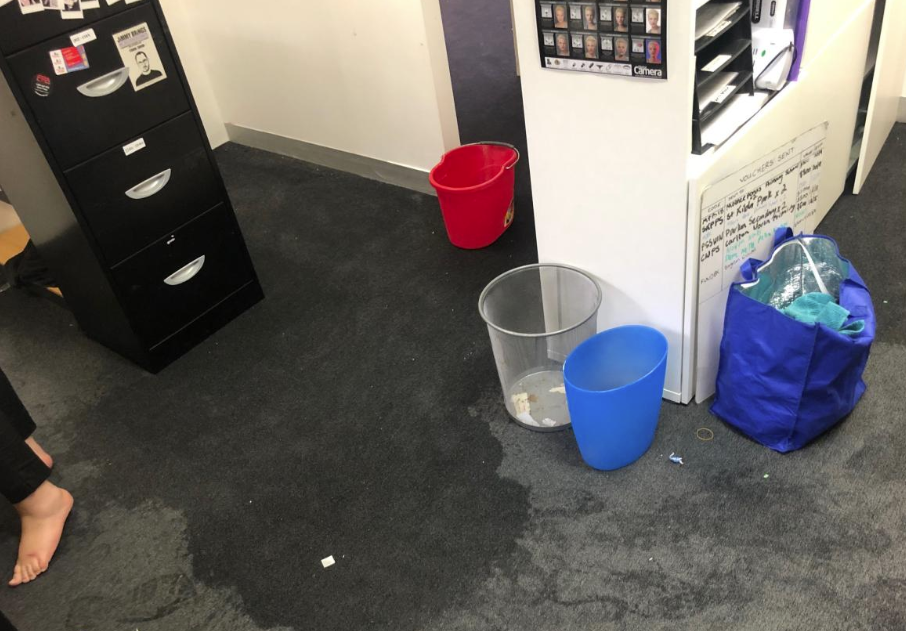

Water damage is one of the most common property issues faced by homeowners and business owners. While some people act immediately after discovering a leak, others may delay repairs, believing the problem will dry out naturally. Unfortunately, untreated water damage rarely resolves itself and can quickly develop into a much larger issue.
Even a small amount of moisture can spread through building materials, affecting areas that may not be visible during a routine inspection. Understanding the consequences of delayed action can help property owners make informed decisions and protect their investment.
Moisture Continues to Spread
One of the biggest misconceptions about water damage is that it remains confined to the original affected area. In reality, water naturally moves through porous materials such as carpet, plasterboard, timber, and insulation.
What starts as a minor leak can gradually spread beneath flooring surfaces, behind walls, and into surrounding rooms. As moisture travels, the scope of damage often increases, making restoration more complex and costly.
The longer moisture remains present, the more difficult it becomes to restore affected materials successfully.
Increased Risk of Mould Growth
Mould is one of the most significant risks associated with untreated water damage. When moisture remains trapped inside building materials, it creates the ideal environment for mould spores to grow and multiply.
In many cases, mould can begin developing within 24 to 48 hours after water exposure. Initially, growth may occur in hidden areas such as wall cavities, beneath carpets, or behind furniture. Over time, mould can spread throughout the property and become more difficult to remove.
Beyond damaging building materials, mould may also contribute to unpleasant indoor conditions and affect overall air quality.
Structural Materials Can Weaken
Water does not only affect visible surfaces. Prolonged exposure to moisture can weaken structural components of a property over time.
Timber flooring may swell or warp, particleboard can deteriorate, and plasterboard may soften and lose its strength. In severe situations, structural repairs may become necessary if the moisture problem is left unresolved for an extended period.
Many restoration projects require structural drying Melbourne solutions to remove hidden moisture from these deeper building materials and help preserve their integrity.
Unpleasant Odours May Develop
Persistent dampness often leads to musty smells throughout a property. These odours are typically caused by trapped moisture, mould activity, and bacterial growth within affected materials.
Unfortunately, air fresheners and household cleaning products rarely solve the problem because they only mask the symptoms rather than address the source. Proper drying and moisture removal are necessary to eliminate the underlying cause.
Damage to Flooring Systems
Carpeted areas are particularly vulnerable when water damage is left untreated. Moisture can become trapped inside carpet fibres, underlays, and subfloors, creating conditions that accelerate deterioration.
Common flooring issues include:
- Carpet discolouration
- Fibre damage
- Underlay breakdown
- Flooring movement
- Persistent dampness
Addressing moisture early significantly improves the likelihood that flooring materials can be restored successfully.
Repair Costs Often Increase
One of the most expensive consequences of delayed treatment is the increase in restoration costs. A small water leak that could have been resolved quickly may eventually require extensive drying, mould remediation, flooring replacement, and structural repairs.
Early intervention typically reduces both restoration time and overall expenses. Acting quickly allows technicians to remove moisture before secondary damage develops.
Why Professional Assessment Matters
Not all water damage is visible. Hidden moisture often remains inside walls, ceilings, and flooring systems long after surface water has been removed.
Professional restoration specialists use moisture detection equipment to identify affected areas accurately. This allows technicians to develop a targeted restoration plan and ensure no hidden moisture remains within the property.
Without professional assessment, moisture can continue causing damage even when surfaces appear dry.
Protecting Your Property
Water damage should always be treated as a priority. The sooner moisture is identified and removed, the lower the risk of long-term complications. Fast action helps preserve building materials, reduce repair costs, and minimise disruption to occupants.
At Flood Restoration Melbourne, we provide professional water damage restoration Melbourne services designed to address both visible and hidden moisture. Using advanced extraction, drying, and monitoring equipment, our team helps restore properties safely and efficiently.
Final Thoughts
Ignoring water damage can lead to a range of costly and avoidable problems. Moisture continues spreading, mould can develop rapidly, and structural materials may weaken over time. What begins as a minor leak can quickly become a major restoration project if left untreated.
By responding early and seeking professional assistance, property owners can minimise damage, protect their investment, and restore their property to a safe and comfortable condition before more serious issues arise.