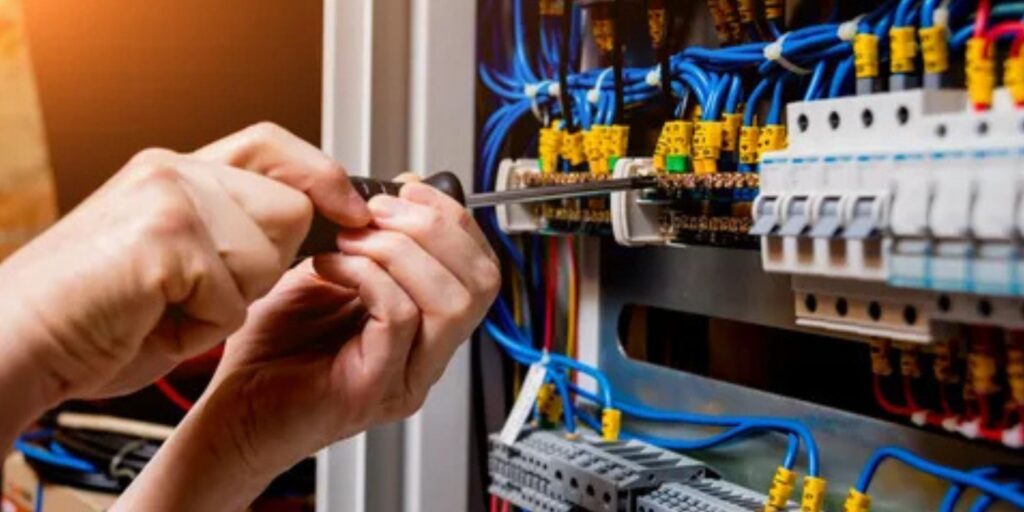

Renovating a home feels great until the reality of permits and wiring hits. Before the new kitchen cabinets go in or the basement gets finished, there is one thing homeowners cannot sleep on: electrical work for home remodels. In Canada, electrical upgrades during a renovation are not a nice-to-have. They are baked into the code. Ignore them, and you are setting yourself up for a world of hurt later. Here is the room-by-room breakdown every Canadian homeowner needs to read first.
Why Is Electrical Work the First Domino to Fall?
Electrical rough-in does not happen at the end. It kicks off right after framing, before a single sheet of drywall goes up. So from the get-go, electricians are one of the first trades walking through the door. Get this wrong, and the walls come back open. Nobody has time for that.
There is also a legal reality here. In Canada, all electrical work has to meet the Canadian Electrical Code (CEC). Most provinces require permits for new circuits, panel upgrades, or wiring changes. Only a licensed electrician can legally complete and sign off on this work in most jurisdictions. Thinking about letting a handyman handle it to save a few bucks? That shortcut almost always backfires.
What Each Room Actually Needs?
Kitchen Renovations
Kitchens are electrical beasts. No two ways about it. Canadian code is strict here, and for good reason. A typical kitchen remodel needs:
- A 20-amp circuit just for the refrigerator
- A dedicated circuit for the dishwasher
- Separate circuits for the microwave and range hood
- A 40 or 50-amp circuit for an electric range or oven
- GFCI-protected outlets near every sink and countertop
Beyond that, if the kitchen footprint is growing, the panel may need a bump up to handle the extra load.
Bathroom Upgrades
Bathrooms are tricky. GFCI outlets are required within a set distance of any water source. Adding a heated floor, a new exhaust fan, or a jetted tub means each one needs its own dedicated circuit. Older bathrooms usually share circuits with other rooms. In a renovation, however, that setup does not hold water anymore.
Basement Finishing
Finishing a basement is basically a full electrical job hiding inside a renovation. Every room needs proper lighting circuits, outlets spaced to code, and integrated smoke and carbon monoxide alarms. Tacking on a basement suite? Then a separate electrical sub-panel comes with the territory, no question about it.
New Additions and Extra Rooms
New square footage means new wiring from the ground up. Lighting, outlets, heating circuits, and sometimes a panel upgrade all come into play. None of it is optional, so factor it into the budget from day one.
How Do You Know If the Panel Needs an Upgrade?
This question pops up in almost every renovation conversation. If a home is sitting on a 100-amp panel and the remodel is adding a basement suite, an EV charger, or a new HVAC system, bumping up to 200 amps is usually a given. Keep an eye out for these red flags before the remodel even gets rolling:
- Breakers tripping on the regular
- A Federal Pacific or Zinsco panel installed (both are known fire hazards)
- Fuses instead of breakers
- No room left to add new circuits
A licensed electrician can size all of this up in no time during the planning stage. It is way better to know upfront than to get blindsided mid-renovation.
Permits and Inspections Are Non-Negotiable
Pulling a permit is not just box-ticking. It is the homeowner’s safety net. Without one, insurance may not cover damage from unpermitted work. Selling the home down the line gets complicated too, because buyers and their inspectors will sniff it out every time.
Solid residential electrical services always include permit applications, inspection scheduling, and final sign-off as part of the package. If an electrician is dodging the permit talk, that is a dealbreaker.
Final Thoughts
A home remodel is a big investment. The electrical work sitting behind the walls is what keeps everything safe and humming for decades. Cut corners here, and it will come back to bite you. Atmosphere Electric delivers licensed, code-compliant electrical services for Canadian homeowners at every stage of a renovation. Get in touch before the remodel kicks off, not after something goes sideways.