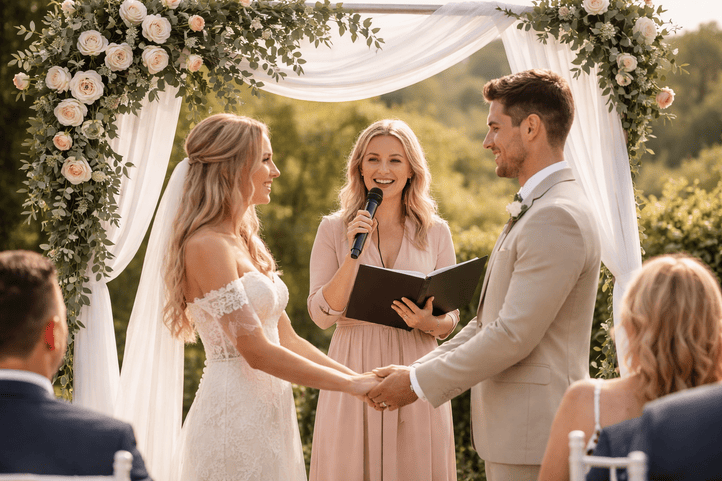

Planning a wedding involves dozens of moving parts, and most couples focus first on venues, catering, photography, and guest lists. The ceremony itself, however, shapes the atmosphere of the entire day. Choosing the right wedding celebrant Inner west couples rely on is not only about availability or price. It involves preparation, coordination, and thoughtful planning that many people do not fully consider until late in the process.
This guide looks at practical details couples sometimes miss when booking and working with a celebrant, helping make the ceremony more meaningful and less stressful.
Understanding Legal Requirements Earlier Than Expected
One of the most common oversights relates to paperwork. In Australia, couples must lodge a Notice of Intended Marriage at least one month before the ceremony date, and in some cases longer if documentation needs verification or translation.
Leaving this step late may place unnecessary pressure on the final weeks of planning. Identification, previous marriage certificates if applicable, and witness arrangements all need attention.
Many couples assume the celebrant manages everything automatically, but preparation works best when both parties stay organized. Starting early provides time to clarify questions, review documents, and make any corrections without rushing.
For general planning advice and writing checklists that help organize major projects, readers often browse practical lifestyle and planning content available on platforms such as https://www.postscontent.com/ which regularly publishes articles on organization, preparation, and event planning ideas.
Ceremony Style and Structure Are Often Decided Too Late
The style of ceremony affects timing, tone, and how guests engage with the moment. Yet many couples only begin discussing structure a few weeks before the wedding.
Choosing a Ceremony Format
Different formats suit different couples:
- A short legal ceremony with minimal readings
- A personalized ceremony including storytelling and symbolic elements
- Cultural or blended ceremonies reflecting family traditions
- Small elopements or micro-weddings
Each option requires different preparation, from writing vows to selecting music and readings.
When researching ideas, couples often read examples and guidance from experienced professionals. Resources such as a Wedding Celebrant in the Inner West may help illustrate how ceremonies can be structured and how timelines may work in practice. Seeing real examples often makes it easier to picture how the day may unfold.
Why Early Planning Matters
Deciding on ceremony structure early allows time to:
- Write and refine personal vows
- Choose readings or cultural elements
- Coordinate music and cues
- Ensure the ceremony length fits the day’s schedule
Without this planning, ceremonies may feel rushed or disconnected from the rest of the celebration.
Coordination with Other Vendors Is Frequently Overlooked
A ceremony rarely involves only the couple and celebrant. Photographers, videographers, venue staff, and musicians all play a part.
Timing cues are especially relevant. Photographers need clear sightlines, videographers may need microphone feeds, and musicians must know exactly when to begin or stop playing.
Discussing these details before the wedding reduces confusion and helps the ceremony flow smoothly. Even small adjustments, such as where the couple stands or how the signing table is positioned, may affect the quality of photos and recordings.
Many articles about event coordination and planning logistics can be found in publishing platforms where contributors share experiences and practical advice. For example, browsing planning-related posts or submitting your own reflections through https://www.postscontent.com/post-new-article/ may provide additional insights from people who have organized events of all sizes.
Rehearsals and Run-Throughs Make a Bigger Difference Than Expected
Rehearsals are sometimes skipped to save time, yet they often prevent last-minute confusion.
Who Should Attend
A useful rehearsal typically includes:
- The couple
- Members of the wedding party
- Anyone doing readings
- A venue coordinator if available
Even a short walk-through helps everyone feel more comfortable.
Benefits of a Rehearsal
Practicing the order of events reduces uncertainty. Participants know where to stand, when to walk, and how the ceremony flows. This preparation often leads to a calmer atmosphere on the day itself.
It also gives the celebrant a chance to confirm timing and make small adjustments that improve pacing and clarity.
The Tone of the Ceremony Shapes the Entire Day
The ceremony sets expectations for the celebration that follows. A warm, personal ceremony creates a different atmosphere from one that feels rushed or impersonal.
Many couples want a balance between meaningful storytelling and lighter moments. Achieving that balance often requires thoughtful preparation, including conversations about what aspects of the relationship to include and how formal or relaxed the tone should be.
Personal details, shared memories, and references to family or cultural traditions help guests feel connected. Even simple choices, such as the order of readings or the wording of introductions, may shape how the ceremony feels.
Questions Couples Should Ask Before Booking
Clear communication at the beginning prevents misunderstandings later. Couples may consider asking:
Availability and Scheduling
How far in advance should the ceremony be planned? What happens if dates change?
Customization Options
How much flexibility is there in shaping the ceremony? Are readings, rituals, or cultural elements welcomed?
Planning and Communication
How often will meetings take place, and what information should be prepared beforehand?
Contingency Planning
What arrangements exist for unexpected weather, illness, or venue changes?
These questions help clarify expectations and ensure both parties feel comfortable with the planning process.
Giving the Ceremony the Attention It Deserves
Wedding planning often focuses on visible details such as décor and styling. While these elements matter, the ceremony remains the centre of the day. It marks the moment the marriage becomes official and provides the emotional foundation for everything that follows.
Taking time to research, plan, and collaborate with a wedding celebrant Inner west couples trust often leads to a more relaxed and meaningful ceremony. Preparation does not need to be complicated, but it benefits from thoughtful timing, open communication, and attention to the smaller details that shape the overall atmosphere.
When couples approach ceremony planning with the same care they give other parts of the wedding, the result is often a smoother day, a stronger sense of connection, and memories that feel genuine rather than rushed.