
Introduction
Lyme disease is a tick-borne illness caused by the bacterium Borrelia burgdorferi. It is primarily transmitted through the bite of infected blacklegged ticks. Early recognition and appropriate medical evaluation are important because the disease can affect multiple body systems if left untreated.
When discussing Treatment Options for Lyme Disease USA, one of the most common questions is whether treatment differs depending on how early or late the disease is identified. The answer is yes. Healthcare providers often consider symptom presentation, disease stage, and overall health factors when evaluating treatment approaches.
This article explores the differences between early and late Lyme disease treatment approaches, the importance of timely diagnosis, and what patients and caregivers should know about Lyme disease awareness.
Understanding the Stages of Lyme Disease
Lyme disease is often discussed in stages, although symptoms and experiences can vary from person to person.
Early Localized Lyme Disease
This stage typically occurs days to weeks after a tick bite. Some individuals may develop an erythema migrans rash, often described as a bull’s-eye rash, while others may experience flu-like symptoms.
Common symptoms may include:
- Fatigue
- Fever
- Chills
- Headache
- Muscle aches
- Joint discomfort
- Swollen lymph nodes
Early Disseminated Lyme Disease
If the infection spreads, symptoms may affect additional areas of the body.
Possible symptoms include:
- Multiple skin rashes
- Facial weakness
- Heart rhythm changes
- Increased fatigue
- Neurological symptoms
Late Lyme Disease
Months after the initial infection, some individuals may develop symptoms involving joints, the nervous system, or other body systems.
Potential symptoms may include:
- Persistent joint pain
- Joint swelling
- Neurological concerns
- Numbness or tingling sensations
- Cognitive difficulties
- Ongoing fatigue
Why Does Timing Matter in Lyme Disease Care?
Early diagnosis often allows healthcare providers to evaluate symptoms before the infection affects additional systems.
Prompt medical attention may help:
- Identify Lyme disease sooner
- Reduce complications
- Improve symptom monitoring
- Guide appropriate medical decision-making
According to the CDC Lyme Disease Overview, early recognition remains an important component of Lyme disease management.
How Do Early Lyme Disease Treatment Approaches Differ?
Focus on Confirming Diagnosis
During early Lyme disease, healthcare providers typically evaluate:
- Recent tick exposure
- Geographic risk factors
- Physical examination findings
- Symptom history
- Diagnostic testing when appropriate
Monitoring Early Symptoms
Medical professionals often pay close attention to:
Erythema Migrans Rash
This characteristic rash can be an important clue during evaluation.
Flu-Like Symptoms
Many patients initially report symptoms resembling common viral illnesses.
Tick Bite History
Knowledge of recent outdoor exposure may assist clinical assessment.
Patient Education
Early-stage care often includes education regarding:
- Tick awareness
- Symptom monitoring
- Prevention strategies
- Follow-up recommendations
How Do Late Lyme Disease Treatment Approaches Differ?
When Lyme disease is identified later, evaluation may become more complex because symptoms can affect multiple body systems.
Broader Clinical Assessment
Healthcare providers may assess:
- Joint involvement
- Neurological symptoms
- Functional limitations
- Previous medical history
- Earlier symptom patterns
Addressing Persistent Symptoms
Some patients report ongoing concerns such as:
Joint Pain
Inflammation and discomfort may affect daily activities.
Fatigue
Persistent fatigue is commonly discussed among Lyme disease patients.
Neurological Symptoms
Some individuals experience concentration difficulties, memory concerns, tingling sensations, or other neurological symptoms that require professional evaluation.
Coordinated Care
Depending on symptom presentation, healthcare providers may collaborate with specialists to support comprehensive patient care.
Can Symptoms Continue After Treatment?
This remains an area of ongoing research and discussion.
Some individuals report continued symptoms such as:
- Fatigue
- Muscle aches
- Joint pain
- Cognitive challenges
Researchers continue studying why some patients experience persistent symptoms following treatment. Organizations such as the Johns Hopkins Lyme Disease Research Center and the National Institutes of Health (NIH) continue investigating these questions.
It is important to note that persistent symptoms should always be evaluated by qualified healthcare professionals.
What Role Do Supportive Wellness Strategies Play?
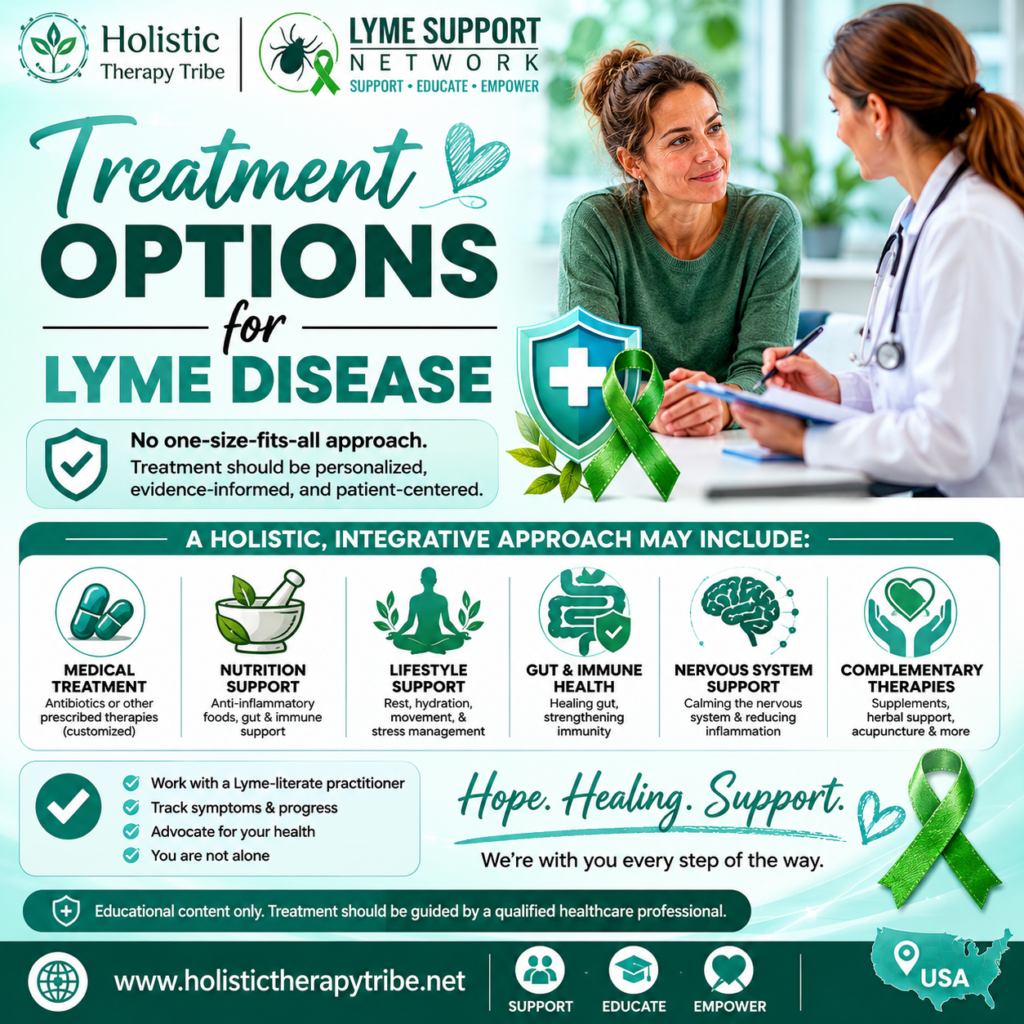
Many patients explore wellness practices alongside conventional medical care.
Examples may include:
Sleep Support
Adequate rest supports overall health and recovery.
Nutrition
Balanced nutrition may support immune function and overall wellness.
Stress Management
Stress reduction practices may help individuals cope with chronic symptoms and health challenges.
Physical Activity
Appropriate movement plans should be discussed with healthcare providers, especially when joint pain or fatigue is present.
Holistic Therapy Tribe encourages patients to discuss any complementary wellness strategies with qualified healthcare professionals to ensure safe and coordinated care.
What Does Current Research Say?
Research continues to improve understanding of Lyme disease diagnosis, symptom progression, and management approaches.
The Mayo Clinic Lyme Disease Guide notes that Lyme disease can affect multiple body systems and that treatment decisions depend on the individual’s condition and stage of illness.
Similarly, findings from Cleveland Clinic’s Lyme Disease Resource emphasize the importance of early medical evaluation after suspected tick exposure or symptom development.
As scientific knowledge evolves, healthcare recommendations may continue to be refined through ongoing research.
Internal Linking Suggestions for Holistic Therapy Tribe
Link this article to related content such as:
- How Is Lyme Disease Diagnosed in the United States?
- What Are the Early Signs Doctors Look for When Diagnosing Lyme Disease?
- Which Areas in the USA Have the Highest Risk of Lyme Disease Exposure?
- What Lifestyle Changes Support Holistic Lyme Disease Wellness?
- Why Joining a Lyme Support Network USA Can Improve Your Recovery Journey
Q&A Section
What are the early signs of Lyme disease?
Early signs may include fatigue, fever, headache, muscle aches, and an erythema migrans rash.
Can Lyme disease symptoms appear later?
Yes. Some symptoms may develop weeks or months after the initial infection, making medical evaluation important.
How is Lyme disease diagnosed?
Healthcare providers consider symptoms, exposure history, physical examination findings, and diagnostic testing when appropriate.
Can Lyme disease cause fatigue and brain fog?
Some individuals report fatigue, concentration difficulties, and cognitive concerns associated with Lyme disease.
When should someone see a doctor after a tick bite?
Anyone who develops symptoms, notices a rash, or has concerns about possible tick exposure should consult a healthcare professional.
Is late Lyme disease harder to evaluate?
Late-stage symptoms can involve multiple body systems, which may require broader clinical assessment.
Why is early diagnosis important?
Early diagnosis may help healthcare providers evaluate symptoms before additional complications develop.
Conclusion
Understanding the differences between early and late Lyme disease treatment approaches is an important part of learning about Treatment Options for Lyme Disease USA. Early-stage Lyme disease often focuses on recognizing symptoms and confirming diagnosis, while later-stage evaluation may involve addressing more complex symptom patterns affecting joints, the nervous system, and overall well-being.
Awareness, prompt medical attention, and ongoing communication with healthcare providers can help patients navigate Lyme disease more effectively. Whether symptoms are recent or longstanding, professional medical guidance remains essential for accurate diagnosis and individualized care.
Disclaimer
This article is for educational awareness only and is not a substitute for professional medical advice, diagnosis, or treatment. Always consult a qualified healthcare provider for concerns about Lyme disease or tick-borne infections.
References
- CDC Lyme Disease Overview
https://www.cdc.gov/lyme - Johns Hopkins Lyme Disease Research Center
https://www.hopkinslyme.org - Mayo Clinic Lyme Disease Guide
https://www.mayoclinic.org/diseases-conditions/lyme-disease - National Institutes of Health Lyme Disease Research
https://www.nih.gov - Cleveland Clinic Lyme Disease Resource
https://my.clevelandclinic.org/health/diseases/8636-lyme-disease - Global Lyme Alliance
https://www.globallymealliance.org