
Somewhere between a half-formed plan and an empty stomach, Vietnam begins to take shape. It does not announce itself. It does not try to impress. It simply places a bowl in front of you and waits. A plastic stool scrapes against the pavement. Steam rises. Scooters blur. And suddenly, without quite realizing when it happened, your day bends around food. That is how Vietnam street food enters the story. Quietly. Persistently. Permanently.
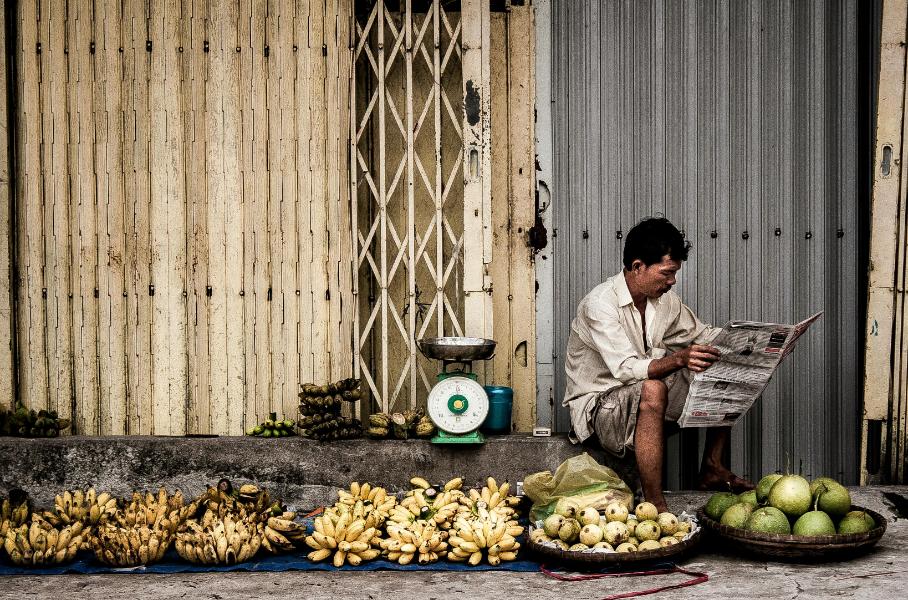
Nothing here feels staged. Cooking unfolds in the open, unselfconscious. Broth simmers beside traffic. Fish crackles in oil while someone counts change. A woman rearranges herbs without breaking the conversation. You eat where people live. You sit where they pause. Food does not interrupt daily life. It is daily life.
For nearly two decades, Travel Junky has moved through Vietnam in this same spirit, lingering in markets, lingering longer at street corners, following appetite instead of agendas. Their experiences tend to collect moments rather than milestones, small scenes that eventually build a truer portrait of the country.
Why Eating in Vietnam Feels So Immediate
Vietnamese street cooking carries no sense of performance. There is no spectacle. No choreography. Just movement shaped by repetition. Hands that know the weight of ladles. Fingers that recognize texture without looking. Timing guided by instinct rather than instruction.
Flavors change quietly as you move. The north stays restrained, careful, almost spare. Central regions introduce contrast and heat. The south loosens everything, sweetening broths, expanding portions, crowding plates with herbs. You cross these borders without ceremony, tasting geography rather than reading it.
This is the understated brilliance of street food in Vietnam. It bypasses explanation. It delivers experience directly. A good Vietnam tour package will route you through at least two or three of these flavor regions — and the contrast between them is something no list can fully prepare you for.
You start noticing small habits. Lime squeezed at the last possible moment. Greens torn, never sliced. Broth tasted, paused over, tasted again. These gestures carry memory. Technique exists, but it hides behind instinct.
What Hunger Will Eventually Lead You To
Pho
Pho belongs to the early hours. Quiet streets. Low light. Gentle steam. The broth tastes of patience. In Hanoi, it stays lean, precise, almost meditative. In the south, it deepens, rounds out, and becomes conversational. Either way, it slows your morning before it begins.
Banh Mi
Nothing about banh mi should work as well as it does. Crisp bread meets soft meat. Sharp pickles meet creamy pate. Heat arrives late, then lingers. Each stall adjusts the equation slightly. You start remembering corners, faces, tiny variations. Attachment forms quickly.
Bun Cha
Smoke, sweetness, char. Pork grilled over open flame, dropped into broth, gathered with noodles. The scent alone arrests movement. You eat in stages, assembling each bite differently, never quite repeating yourself.
Banh Xeo
A thin pancake that shatters softly when torn. Steam escapes. Herbs pile up. Sauce drips. You stop worrying about manners. You start paying attention to texture.
Com Tam
Broken rice layered with grilled pork and egg. Once practical, now essential. Afternoon hunger in Saigon often ends here, quietly, completely.
Where Food Reveals the City
Hanoi
Mornings open early. Broth simmers before sunrise. By midday, markets hum. Evenings soften into smoky corners and quiet beer stools. Eating here feels measured, disciplined, patient.
Hoi An
Time stretches. Lanterns glow. Food arrives gently. Noodles are tied to the local water. Dumplings folded with care. Meals linger longer than planned. Most people on a Vietnam tour package that passes through Hoi An end up wishing they had stayed an extra day — usually because of the food.
Hue
Imperial restraint lingers. Portions stay small. Flavors layer carefully. Even street snacks feel deliberate, almost ceremonial.
Ho Chi Minh City
Motion dominates. Late nights. Crowded pavements. Constant sound. Food keeps pace — fast, abundant, relentless.
A few things worth noting:
- Regional flavor shifts you feel within a single day
- Open-air kitchens dissolving the boundary between cooking and living
- Markets operating as social crossroads
- Prices that reward curiosity rather than caution
- Late-night food cultures that blur into early mornings
Learning When to Trust a Stall
Ignore decor. Watch crowds. Notice where office workers pause. Where families wait. Where vendors sell out and close early. Turnover speaks. Familiar faces confirm.
Drink constantly. Coconut water. Sugarcane juice. Iced coffee. Heat arrives quietly. So does dehydration.
Pro Tip: If a stall cooks only one dish, stop. That kind of focus usually comes from decades of repetition, not trend.
Letting Meals Redesign the Journey
When food becomes the center rather than the pause, travel shifts. Days soften. Routes bend. You wait for markets to wake. You follow lunch crowds. You wander until dinner happens. Some carefully structured Vietnam tour packages leave room for this slower unfolding, shaping days around kitchens, not landmarks.
This mirrors how Travel Junky builds its Vietnam packages experiences, allowing appetite and curiosity to guide movement instead of rigid scheduling. When a Vietnam tour package is built this way, food stops being a side note and becomes the actual thread of the trip.
What Remains
Memory does not hold onto architecture for long. But the flavor stays sharp. The brightness of herbs. The warmth of broth. The sound of bowls touching plastic tables. The quiet comfort of strangers sharing space. When Vietnam tours become too loud, too fast, too dense, sit down somewhere small. Order what is cooking. Wait. Clarity arrives that way. Let your journey unfold at street level, one pause at a time, guided by hunger, observation, and the soft generosity of open kitchens.