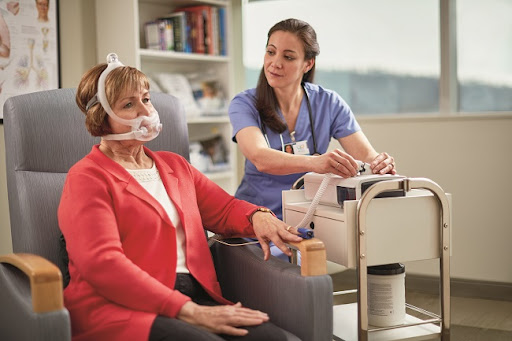

Ventilator care at home plays a critical role in improving comfort and quality of life for individuals who require long-term respiratory support, but it also comes with the responsibility of preventing infections and complications. Because ventilator-dependent patients are more vulnerable to respiratory issues, families must follow careful hygiene and monitoring practices every day. This article focuses on practical ways to reduce risks and maintain safety while managing Ventilator Care At Home In Dubai, helping caregivers protect their loved ones through informed and consistent care.
Understanding Infection Risks in Home Ventilator Care:
Patients using ventilators are at a higher risk of infections because the equipment can introduce bacteria into the airway if not handled properly. In a home setting, these risks increase when cleaning routines are inconsistent or when caregivers are unfamiliar with early warning signs. Understanding how infections develop helps families take preventive steps that reduce complications and support long-term respiratory health.
Maintaining Strict Hand Hygiene:
Hand hygiene is one of the simplest yet most effective ways to prevent infections in home ventilator care. Caregivers should treat handwashing as a non-negotiable step before and after any interaction with the patient or equipment. Effective hand hygiene practices include:
-
Washing hands with soap and water before care
-
Using hand sanitizer when washing is not possible
-
Avoiding touching equipment with unclean hands
-
Encouraging all visitors to follow hygiene rules
Cleaning and Disinfecting Ventilator Equipment:
Regular cleaning of ventilator components is essential to prevent the buildup of bacteria, moisture, and secretions that can lead to infection. Each piece of equipment has specific cleaning instructions that should be followed carefully to maintain safety and functionality. Important cleaning practices include:
-
Cleaning masks, tubing, and humidifiers as instructed
-
Allowing equipment to dry completely before reuse
-
Replacing disposable items on schedule
-
Storing clean equipment in covered, dry areas
Managing Humidification Safely:
Humidification helps keep airways moist and comfortable, but improper management can increase infection risk. Standing water and poorly maintained humidifiers can become breeding grounds for bacteria if not handled correctly. Families should monitor humidification equipment closely and ensure water levels, cleanliness, and replacement schedules are properly maintained.
Monitoring the Patient for Early Signs of Infection:
Early detection is key to preventing minor issues from becoming serious complications. Caregivers should be familiar with what is normal for the patient so they can quickly recognize changes that may indicate infection. Warning signs to watch for include:
-
Increased coughing or secretions
-
Changes in breathing patterns
-
Fever or chills
-
Increased discomfort or fatigue
Preventing Skin Breakdown and Related Complications:
Skin irritation and pressure sores around masks or tracheostomy sites can become entry points for infection if not addressed promptly. Regular skin checks help prevent breakdown and discomfort while supporting overall hygiene. Preventive measures include:
-
Inspecting skin daily for redness or sores
-
Adjusting mask fit to reduce pressure
-
Keeping skin clean and dry
-
Using protective barriers if recommended
Reducing the Risk of Ventilator-Associated Complications:
Complications such as airway irritation, mucus buildup, or accidental disconnections can increase infection risk and affect breathing support. Caregivers can reduce these risks by maintaining proper positioning, monitoring tubing, and following care routines consistently. Key preventive actions include:
-
Ensuring tubing is securely connected
-
Keeping the patient properly positioned
-
Encouraging gentle movement if appropriate
-
Monitoring secretions and comfort levels
Ensuring a Clean and Organized Care Environment:
The surrounding environment plays an important role in infection prevention, especially in home care settings. A clean, organized space reduces exposure to dust, germs, and clutter that can interfere with safe care. Environmental hygiene practices include:
-
Regularly cleaning surfaces near the ventilator
-
Keeping pets away from equipment
-
Avoiding overcrowding in the care area
-
Maintaining good airflow and ventilation
Educating and Coordinating With Caregivers:
In households where multiple people assist with care, consistency is essential for infection prevention. Everyone involved should understand hygiene routines, cleaning schedules, and monitoring responsibilities to avoid gaps in care. Clear communication and shared training help ensure that standards are maintained, especially when managing Ventilator Care At Home In Dubai over an extended period.
Knowing When to Seek Medical Support:
Despite best efforts, infections and complications can still occur, making it important to know when professional help is needed. Caregivers should never hesitate to contact healthcare providers if they notice concerning symptoms or equipment issues. Prompt medical guidance can prevent complications from worsening and supports better long-term outcomes.
Final Thoughts.
Preventing infections and complications in home ventilator care requires vigilance, consistency, and a strong commitment to hygiene and monitoring. By maintaining clean equipment, practicing proper hand hygiene, observing the patient closely, and creating a safe care environment, families can significantly reduce health risks. With knowledge, preparation, and ongoing collaboration with healthcare professionals, home ventilator care becomes a safer and more manageable experience that supports comfort, stability, and peace of mind for both patients and caregivers.