
Why a Used Tractor Makes Sense When You Actually Work the Land
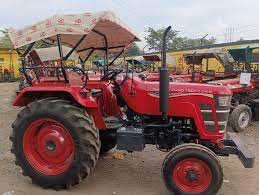
I’ve driven shiny new tractors. I’ve also driven machines that already had ten seasons in their bones. If you earn your living from soil, you learn fast that a used tractor isn’t a compromise. It’s a decision. One shaped by budgets, repair sense, and real workdays that don’t care about showroom paint. A used tractor lets you put money where it matters—implements, fuel, labor—without locking yourself into a heavy EMI that keeps you awake at night. When the engine starts clean on a cold morning and pulls steady, nobody asks how old it is.
The Feel of a Tractor That’s Already Proven Itself
A tractor that’s been worked tells you the truth quickly. The clutch feel, the sound when you throttle up, the way it handles a loaded trolley—these things don’t lie. I’ve trusted older machines more than new ones because their weak points have already shown up and been fixed. There’s comfort in that. A used tractor that’s been maintained properly has a rhythm. You sense it after a day’s work. It doesn’t fight you.
Engines Don’t Age the Way People Think
People worry about engine hours like they’re counting down a bomb. That’s not how tractors live. A diesel engine that’s been serviced on time, run at proper RPM, and not abused will outlast many owners. I’ve seen engines with high hours that still held compression and pulled clean because oil changes were never skipped. I’ve also seen low-hour tractors that smoked like they were tired of life. Hours matter, yes. Care matters more.
Transmission Tells the Real Story
If you want to know how a used tractor was treated, drive it through the gears. A smooth shift says patience. Grinding says hurry and neglect. Transmission repairs are expensive and time-consuming, so this is where I spend my attention. I listen. I feel. A good gearbox feels honest. It doesn’t surprise you halfway through a plough run.
Hydraulics Are Where Cheap Deals Fall Apart
Many buyers skip checking hydraulics because the tractor looks fine standing still. That’s a mistake. Raise the implement. Hold it. Watch for drift. Weak hydraulics don’t show up in photos, only in fields. When you’re lifting a rotavator or a cultivator all day, tired hydraulics turn work into frustration. A solid used tractor should lift confidently and stay there without begging.
Tires, Worn or Not, Still Tell a Story
Worn tires aren’t always a bad sign. Sometimes they just mean the tractor was used properly. Cracks on sidewalls, mismatched sizes, or deep cuts—those are warnings. Good tires with even wear usually point to correct alignment and sensible driving. I don’t mind budgeting for new tires later. I do mind discovering structural damage that nobody mentioned.
The Value of Simple Machines
I lean toward used tractors with fewer electronics. Not because technology is bad, but because villages don’t run on laptops and sensors. A mechanical fuel pump can be fixed under a tree. A complicated electronic fault can stop work for days. Older models shine here. They’re understandable. They forgive rough conditions and still show up the next morning ready.
Service History Beats Fresh Paint
Fresh paint can hide many sins. I’d rather see faded panels and a stack of service bills. A tractor that’s been serviced regularly carries itself differently. The bolts aren’t rounded. The hoses aren’t patched with tape. It feels respected. That matters more than looks when you’re buying used.
Matching Horsepower to Real Work
Buying more horsepower than you need wastes fuel. Buying less wastes time. Used tractor buyers sometimes chase big numbers because the price looks tempting. I’ve learned to match horsepower to implements and soil type. Sandy fields need different strength than black soil. A balanced setup works longer without stress. That’s how used tractors stay useful.
Fuel Efficiency Isn’t a Myth
Some older tractors sip fuel better than newer ones loaded with features. When tuned well, a used tractor can surprise you with how little diesel it needs per acre. Over a season, that adds up. I’ve tracked fuel use. The savings are real, especially when diesel prices climb without asking permission.
Spare Parts Decide Long-Term Happiness
Before buying any used tractor, I check parts availability. If spares are common and mechanics know the model, life stays simple. A rare imported machine might look attractive, but waiting weeks for a part during peak season is not a good story. Popular models earn their popularity for reasons that show up over time.
Used Tractors and Seasonal Reality
Farming isn’t gentle on schedules. When rain comes, work must happen. A dependable used tractor understands urgency. That’s why many farmers keep one older tractor even after buying a new one. It’s the backup that never complains. It’s the machine that finishes jobs when timelines tighten.
What I Look for During a Test Run
I never rush a test drive. I start cold. I listen for uneven idle. I drive with load if possible. I test brakes on a slope. I watch the temperature gauge. A used tractor reveals itself if you give it time. Silence during inspection usually means something is being hidden. Honest sellers let the machine speak.
Negotiation Isn’t About Winning
When buying a used tractor, negotiation should feel practical, not aggressive. Repairs cost money. Worn parts have value implications. A fair price keeps both sides comfortable. I’ve walked away from deals where pressure felt wrong. There’s always another tractor. There isn’t always peace of mind.
Paperwork Still Matters in the Field
Registration, engine number, insurance—these aren’t just office concerns. Missing papers create problems later, especially during resale or transport. A clean paper trail shows seriousness. It also protects your investment when you decide to upgrade or sell.
The Emotional Side of Used Machines
There’s something satisfying about keeping a machine working beyond what others expected. A used tractor carries stories. Scratches from narrow paths. Dents from busy seasons. When you maintain it well, it returns the favor. That relationship feels different from owning something brand new and fragile.
Resale Value Holds Better Than Expected
A well-chosen used tractor doesn’t lose value quickly. If the brand is trusted and the condition stays good, resale remains strong. I’ve sold used tractors years later for close to what I paid, especially during high-demand seasons. That flexibility matters when plans change.
Used Tractors Fit Small and Medium Farmers Best
For small holdings and mixed farming, used tractors are often the smarter tool. They allow flexibility without financial strain. One machine can handle ploughing, transport, spraying, and harvesting support. That versatility keeps operations moving without overinvestment.
Dealer vs Direct Seller Experience
Buying from a dealer brings inspection comfort and sometimes limited warranty. Buying direct from a farmer brings honesty and history. Both have value. I’ve had good experiences with both, as long as I trusted my inspection and instincts. Trust doesn’t come from ads. It comes from conversation.
Maintenance Is the Real Cost, Not Age
Age doesn’t break tractors. Neglect does. Regular oil changes, clean filters, proper storage—these keep a used tractor young. Maintenance cost stays predictable if you don’t skip steps. I schedule service like clockwork. The tractor rewards consistency.
Final Thoughts from Someone Who’s Been There
A used tractors isn’t second best. It’s often the wiser choice. One that respects your budget, understands your land, and works without drama. Choose carefully. Listen closely. Don’t rush. When you find the right one, you’ll know. It won’t shout. It will simply start, pull, and finish the job—day after day.