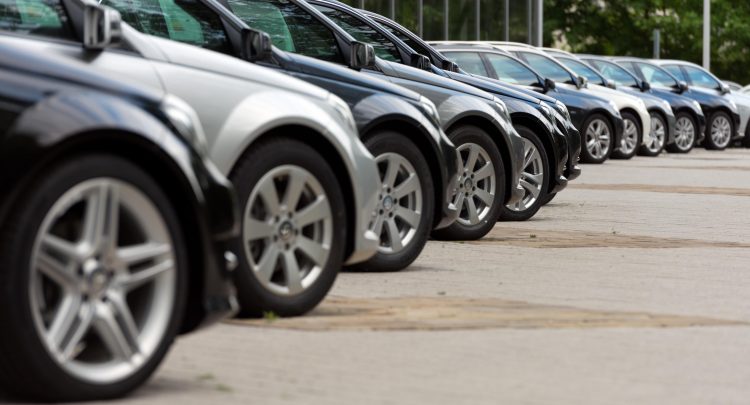

Buying a pre-owned vehicle can be a smart financial decision when you know what to inspect before making a commitment. Many buyers choose second-hand cars because they offer better value, lower depreciation, and more options within a practical budget. However, a used vehicle can also hide problems that are not visible during a quick visit or short test drive. That is why every buyer should slow down, ask the right questions, and check the car carefully before paying. A good inspection helps you understand the vehicle’s condition, ownership history, market value, and future repair costs. Before visiting any showroom or private seller, compare listings online and review trusted sources for Used Cars for Sale.
Why Careful Inspection Matters Before Buying a Used Car
A used car has already been driven, maintained, repaired, and sometimes modified by a previous owner. Its current condition depends heavily on how responsibly it was used and serviced over time. Two cars from the same model year can look similar from outside, yet perform very differently on the road. One may have regular maintenance records, while the other may have accident damage or engine issues.
Careful inspection protects you from emotional buying, which is common when a car looks clean and the price seems attractive. Sellers often highlight features such as alloy rims, leather seats, multimedia screens, or fresh paint. These details may improve appearance, but they do not always prove mechanical reliability. A practical buyer looks beyond shine and checks documents, engine health, body condition, mileage, suspension, tires, and resale value.
Check the Vehicle Documents First
Before inspecting the car physically, start with its paperwork because documents reveal ownership and legal status. Ask for the original registration book, smart card, transfer letter, tax payment records, and seller identification. The name on the registration should match the person selling the vehicle or be supported by proper authority documents.
You should also verify the chassis number and engine number against the registration records. These numbers must match exactly because any mismatch can create serious transfer problems later. In Pakistan, buyers should also check whether token tax is updated and whether the car is cleared from any legal dispute. A vehicle with incomplete documents may look affordable, but it can become expensive and stressful after purchase.
Review the Car’s Service and Maintenance History
A complete service history is one of the strongest signs of a well-kept vehicle. Regular oil changes, filter replacements, brake servicing, coolant checks, and timely repairs show responsible ownership. If the owner has workshop invoices or dealership maintenance records, review them carefully and compare dates with the mileage.
A missing service record does not always mean the car is bad, especially in markets where owners use local mechanics. However, it does mean you should inspect the vehicle more deeply before deciding. Pay attention to repeated repairs, major engine work, transmission complaints, or electrical faults mentioned in old invoices. These clues can help you estimate future maintenance costs more accurately.
Inspect the Exterior Body Condition
The body condition tells a lot about how the car has been used and repaired. Walk around the vehicle slowly and check it under natural daylight if possible. Look for uneven paint shades, panel gaps, scratches, dents, rust spots, and signs of repainting. Fresh paint may improve appearance, but it can also hide accident repairs or corrosion.
Check the bonnet, doors, fenders, roof, trunk, and bumpers from different angles. If one panel appears brighter or smoother than the rest, it may have been repainted. Minor touch-ups are common in used cars, but structural damage is a serious concern. Open and close every door, including the trunk and bonnet, to see whether they align properly. Poor alignment may indicate previous collision damage.
Look Carefully at the Engine Bay
The engine is the heart of the car, so never ignore the engine bay inspection. A clean engine bay may look impressive, but an overly washed engine can sometimes hide oil leaks. Look around the engine block, valve cover, radiator, hoses, and belts for leakage or worn parts. Check whether the engine oil level is correct and whether the oil appears too dark, thick, or milky.
Milky oil can suggest coolant mixing with engine oil, which may point to a serious gasket issue. Also inspect coolant color and level because poor cooling system maintenance can lead to overheating. Start the engine when it is cold and listen carefully. A healthy engine usually starts smoothly without excessive vibration, knocking sounds, or heavy smoke from the exhaust.
Check Mileage and Overall Wear
Mileage is important, but it should never be judged alone. Some sellers reduce odometer readings to make a car appear less used. Instead of trusting mileage blindly, compare it with seat condition, steering wear, pedal wear, gear lever condition, and interior buttons. A car showing low mileage but heavy cabin wear should raise suspicion.
Average yearly mileage varies depending on city use, highway travel, and owner lifestyle. A higher-mileage car with proper maintenance can be better than a low-mileage car with poor care. Focus on consistency between documents, service records, and physical wear. When everything tells the same story, the vehicle is usually easier to trust.
Examine the Interior Condition
The interior shows how carefully the previous owner treated the vehicle. Sit inside and check the dashboard, seats, carpets, roof lining, door panels, and storage areas. Stains, broken trims, unpleasant smells, or water marks may indicate careless use or possible flood exposure. A damp smell inside the cabin should never be ignored.
Test all switches and controls, including power windows, central locking, air conditioning, infotainment system, lights, wipers, indicators, and mirrors. Electrical repairs can be frustrating because small faults are sometimes difficult to trace. Also check whether airbags, warning lights, and seat belts are functioning properly. Safety features should not be compromised for a lower price.
Inspect Tires, Suspension, and Brakes
Tires can reveal alignment and suspension problems. Uneven tire wear may suggest poor wheel alignment, weak suspension components, or accident history. Check tire manufacturing dates because old tires can be unsafe even when tread looks acceptable. A fresh set of quality tires adds value, while worn tires mean extra cost after purchase.
During the test drive, listen for suspension noises when passing over bumps or rough roads. Clunking sounds may indicate worn shocks, bushes, ball joints, or control arms. Test the brakes at a safe speed and notice whether the car pulls to one side. A soft brake pedal, vibration, or grinding noise should be inspected by a mechanic before buying.
Take a Proper Test Drive
A test drive should be more than a short round near the seller’s location. Drive the car on different road conditions, including slow traffic, open roads, and uneven streets. Notice engine response, gear shifting, steering feel, braking performance, cabin noise, and temperature gauge behavior. The car should accelerate smoothly without jerks, unusual smoke, or delayed response.
For automatic cars, gear shifts should feel smooth and timely. Delayed engagement, slipping, or hard shifting may indicate transmission trouble. For manual cars, check clutch feel and gear engagement. A clutch that engages too high or slips under acceleration may need replacement soon. Also observe whether the steering remains straight when driving on a level road.
Get a Mechanic’s Inspection Before Final Decision
Even experienced buyers can miss hidden problems, so a professional inspection is always useful. A trusted mechanic can check engine compression, suspension components, brake system, underbody condition, scanner codes, and accident repairs. Many modern cars store fault codes that are not visible during normal driving. A diagnostic scan can reveal sensor problems, transmission faults, or deleted warning lights.
A small inspection fee can save you from major repair expenses. If the seller refuses an independent inspection, consider it a warning sign. Genuine sellers usually understand that buyers need confidence before making payment. A transparent inspection also helps both sides negotiate fairly.
Compare the Asking Price with Market Value
After checking the car’s condition, compare its price with similar models in the market. Consider model year, variant, mileage, body condition, registration city, transmission type, fuel average, and maintenance history. A very low price may indicate hidden problems, urgent sale pressure, or incomplete documents. A very high price should be justified by exceptional condition, low mileage, genuine parts, or verified service records.
Do not focus only on the purchase price. Also estimate transfer fees, token tax, insurance, tires, oil change, brake work, and immediate repairs. A car that seems cheaper today may become expensive within the first few months. Smart buyers calculate total ownership cost before finalizing the deal.
Negotiate with Confidence
Negotiation becomes easier when you have facts from your inspection. Instead of making random offers, explain the issues you found and estimate repair costs realistically. Sellers are more likely to reduce the price when your concerns are specific and reasonable. Avoid being rude or overly aggressive because a respectful conversation often leads to a better deal.
At the same time, do not rush because the seller says another buyer is waiting. Pressure tactics are common in used car deals. Take your time, review the documents again, and only pay when you are fully satisfied. Use secure payment methods and complete transfer formalities as soon as possible.
Conclusion
Buying a used car can be rewarding when you combine patience with proper inspection. Always check documents, service history, body condition, engine health, mileage, tires, brakes, interior features, and test drive performance. A professional mechanic’s opinion adds another layer of protection, especially when dealing with expensive models or unfamiliar sellers. The right vehicle should match your budget, driving needs, and long term maintenance expectations.
For buyers who want a more reliable and convenient purchasing experience, Wise Wheels Pakistan is a useful platform to explore. It can help you compare available vehicles, review options, and make a more informed decision before purchasing your next car.
FAQs
Q: What is the first thing to check before buying a used car?
A: The first thing to check is the vehicle’s documents, including registration, ownership details, tax records, and chassis number.
Q: Is mileage more important than condition in a used car?
A: Mileage is important, but condition matters more. A well-maintained high-mileage car can be more reliable than a low-mileage car with poor service history.
Q: Should I buy a used car without a mechanic’s inspection?
A: It is not recommended because hidden engine, transmission, suspension, or accident issues can be difficult to spot. A mechanic’s inspection can prevent costly mistakes.