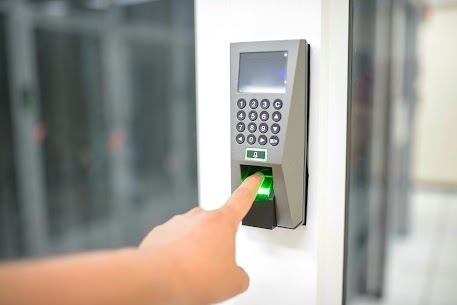

In today’s world, where security breaches and identity theft seem to be on the rise, organizations from all walks of life are seeking innovative solutions to strengthen their security measures. Among these, fingerprint identification shines as a particularly reliable and distinct option. This biometric authentication technology captures the unique patterns, ridges, and minutiae of human fingerprints, providing a formidable tool in the ongoing battle against fraud and unauthorized access. As we delve into the expanding uses and implications of fingerprint identification, we’ll consider not only its technical capabilities but also the ethical considerations that come into play.
Understanding Fingerprint Identification
Fingerprint identification is based on a fundamental truth: every individual has a unique fingerprint. This uniqueness makes fingerprinting an incredibly effective way to verify identity, whether in law enforcement, finance, or healthcare. Thanks to advancements in technology like machine learning and artificial intelligence, the accuracy and efficiency of fingerprint recognition systems have come a long way. These advancements enable rapid processing of vital data in various environments.
Businesses are increasingly adopting fingerprint identification systems, not just for access control but also for secure transactions—especially in high-stakes industries like banking, where fraud can have serious financial consequences. Traditional methods such as passwords or PINs can be effective, but they are also vulnerable to theft or loss. Fingerprint identification offers an intrinsic link to the individual it verifies, delivering an extra layer of security that passwords simply can’t match.
Applications Across Sectors
Healthcare
In the healthcare sector, ensuring secure patient identification is absolutely crucial. Biometric verification systems, especially those using fingerprint identification, simplify the process of accessing sensitive patient information. By implementing these systems, healthcare organizations ensure that only authorized personnel can view patient records, thereby enhancing security and improving service delivery. This technology significantly reduces errors tied to patient misidentification, leading to better overall patient care.
Banking and Financial Services
The financial sector has embraced fingerprint identification systems as a potent tool against fraud. By integrating fingerprint authentication into mobile banking apps and point-of-sale systems, banks can better protect transactions and sensitive user data. This not only reduces the risk of unauthorized access but also bolsters customer confidence, making users feel more secure in their financial activities.
Mobile Devices
As mobile technology continues to advance, fingerprint identification has become a standard feature on countless devices. Users now enjoy the convenience of unlocking their phones or authorizing transactions with just a simple touch of their finger—marrying ease of use with robust security. This integration underscores the growing expectation for seamless yet secure experiences across various technological platforms.
Balancing Security with Privacy
Even with its transformative capabilities, fingerprint identification brings with it significant ethical concerns—particularly around data privacy. Organizations that adopt biometric authentication must navigate strict regulations to protect users’ sensitive information. The possibility of misuse of biometric data is a serious issue that can’t be ignored, so it’s essential for stakeholders to have solid data protection measures in place.
Key Considerations for Implementation
-
Transparency
Organizations should be open about how they collect, use, and store biometric data. -
User Consent
It’s essential to obtain informed consent from users before collecting any data. -
Regulatory Compliance
Adhering to local and international rules regarding biometric data is vital for building trust among users.
Future Trends in Fingerprint Identification
As technology continues to evolve, we can expect the applications and capabilities of fingerprint identification to expand even further. Here are a few emerging trends to keep an eye on:
-
Integration with Other Biometric Modalities
We might see future systems that combine fingerprint identification with facial recognition or iris scanning for even greater accuracy and security. -
Mobile and Cloud Solutions
The trend towards mobile technologies and cloud computing will enable users to authenticate via distributed systems that don’t rely on centralized data storage. -
AI and Machine Learning Advancements
As these technologies progress, fingerprint identification systems are likely to become quicker and more precise, enhancing user experience while reducing errors.
Conclusion
Fingerprint identification is redefining security protocols in healthcare, finance, technology, and more. Its unique method of personal verification not only enhances security but also boosts user convenience. However, as organizations adopt this powerful technology, they need to proceed thoughtfully to ensure user privacy and data integrity remain intact. By embracing robust ethical practices and staying updated on evolving technologies and regulations, businesses can tap into the full potential of fingerprint identification while fostering trust and acceptance among users.
In a time when security is more critical than ever, fingerprint identification is poised to be a leading force in biometric technology, helping organizations create safer and smarter systems for everyone.