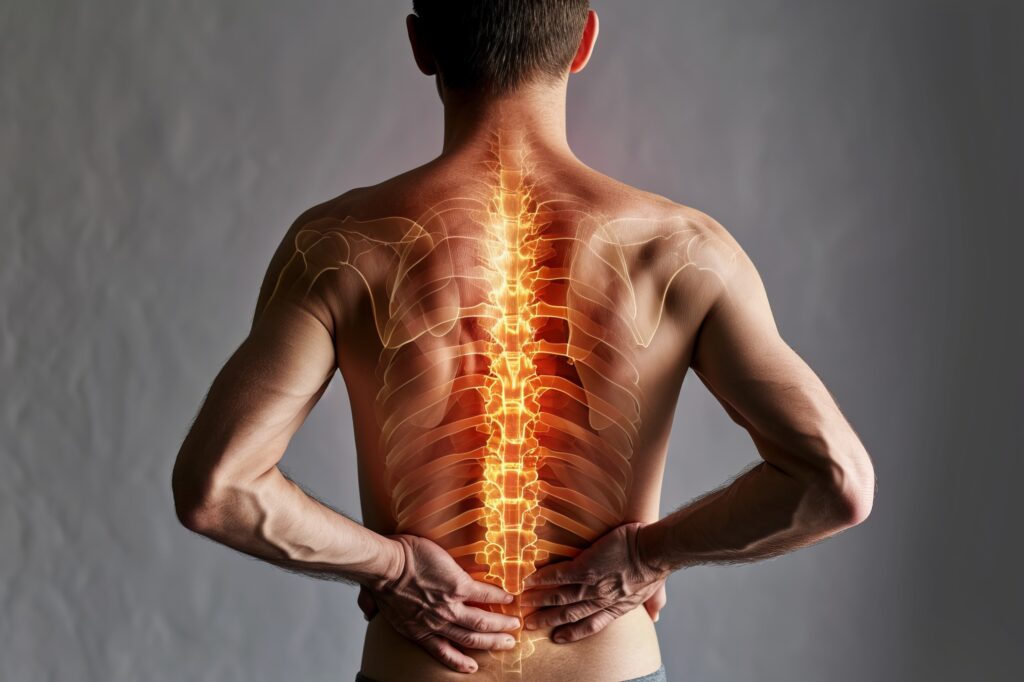

The human spine is a remarkable structure that provides support, flexibility, and protection to the body. It allows us to stand upright, bend, twist, and move freely while also safeguarding the delicate spinal cord. Understanding the structure of the spine can help people appreciate its importance and take better care of their back health. If you experience persistent back pain or spinal problems, consulting specialists at the Best orthopedic hospital in Ghaziabad can help you receive timely diagnosis and treatment.
The Basic Structure of the Spine
The spine, also called the vertebral column, is made up of 33 small bones called vertebrae stacked on top of each other. These vertebrae form a strong yet flexible column that extends from the base of the skull to the pelvis. Together, they protect the spinal cord and support the upper body.
The spine is divided into five main sections, each with a specific function:
-
Cervical Spine (Neck Region)
The cervical spine consists of seven vertebrae (C1–C7) located in the neck. This section supports the weight of the head and allows a wide range of motion, including nodding and turning the head. -
Thoracic Spine (Upper Back)
The thoracic spine has twelve vertebrae (T1–T12). These vertebrae connect to the ribs and help form the rib cage, which protects vital organs such as the heart and lungs. This region is less flexible compared to other parts of the spine. -
Lumbar Spine (Lower Back)
The lumbar spine includes five vertebrae (L1–L5) and is the strongest part of the spine. It carries most of the body’s weight and allows movements such as bending and lifting. Because of the heavy load it carries, this area is commonly associated with lower back pain. -
Sacrum
The sacrum is a triangular bone formed by five fused vertebrae. It connects the spine to the pelvis and provides stability for standing and walking. -
Coccyx (Tailbone)
The coccyx consists of four small fused vertebrae and forms the base of the spine. Although small, it provides attachment points for muscles and ligaments.
Intervertebral Discs
Between each vertebra lies a soft cushion called an intervertebral disc. These discs act as shock absorbers, preventing the bones from rubbing against each other during movement. They also help maintain flexibility and allow the spine to bend and twist smoothly.
Each disc has two main parts:
-
Nucleus pulposus – a soft, gel-like center
-
Annulus fibrosus – a tough outer ring that surrounds and protects the center
Damage or degeneration of these discs can lead to conditions such as slipped disc or herniated disc, which may cause pain or nerve compression.
Spinal Cord and Nerves
The spinal cord runs through a hollow space within the vertebrae known as the spinal canal. It acts as the main communication pathway between the brain and the rest of the body. From the spinal cord, spinal nerves branch out through small openings between the vertebrae to control movement and sensation.
Any injury or pressure on these nerves can result in symptoms such as pain, numbness, tingling, or weakness in different parts of the body.
Ligaments and Muscles
The spine is supported by a network of ligaments and muscles that provide stability and enable movement. These soft tissues help maintain posture and protect the spine during daily activities like walking, lifting, and sitting.
Importance of Spinal Health
Maintaining a healthy spine is essential for overall well-being. Poor posture, lack of exercise, heavy lifting, and prolonged sitting can put strain on the spine and lead to back problems over time. Practicing good posture, staying physically active, and strengthening core muscles can help keep the spine strong and flexible.
If you experience chronic back pain, stiffness, or mobility issues, seeking medical advice is important. Specialists at the Best orthopedic hospital in Ghaziabad offer advanced diagnostic tools and personalized treatment plans to help patients manage spinal conditions effectively.
Conclusion
The spine is the backbone of the human body, literally and functionally. Its complex structure of bones, discs, nerves, and supporting tissues allows us to move freely while protecting the spinal cord. Understanding how the spine works can help individuals adopt healthier habits and prevent injuries. With proper care and timely medical attention from experts at the Best orthopedic hospital in Ghaziabad , it is possible to maintain strong spinal health and enjoy a more active life.