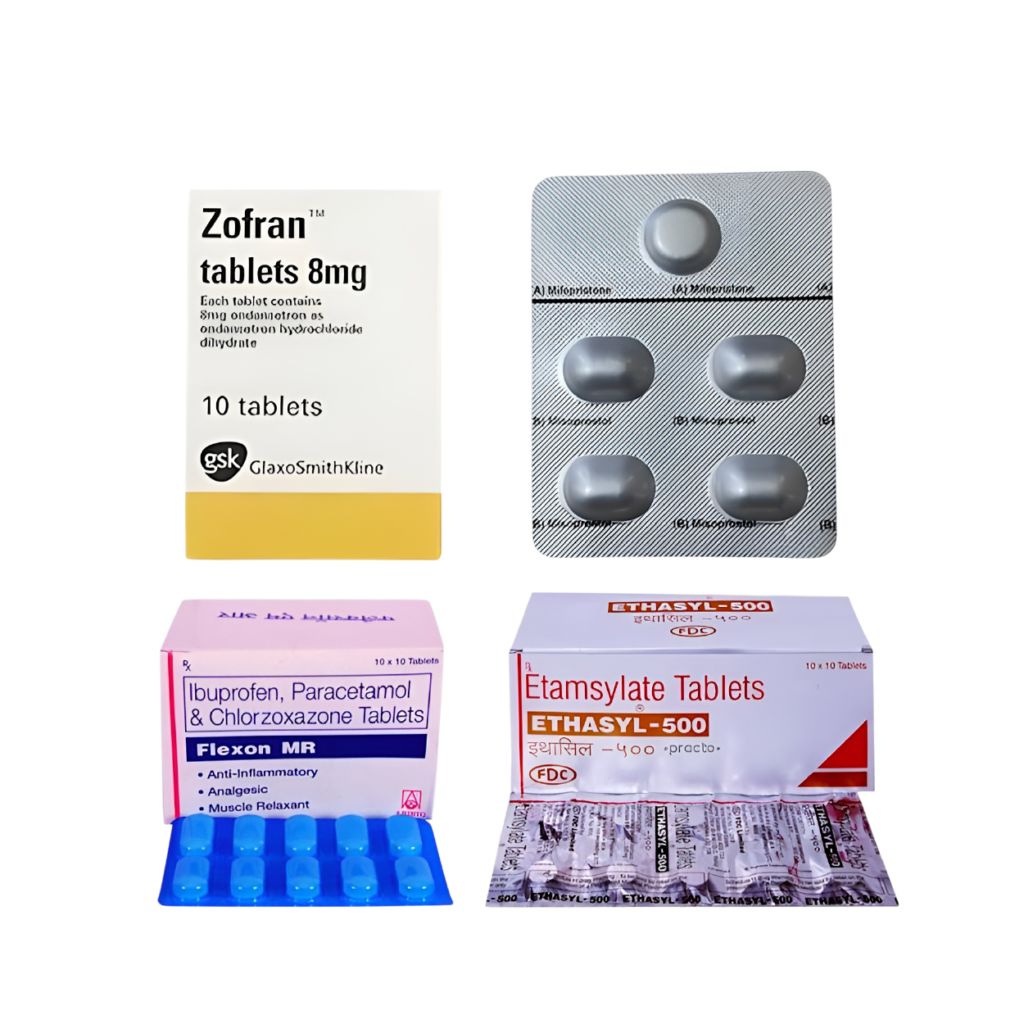
Medication-based early pregnancy termination is a non-surgical method used to end an early-stage pregnancy through the controlled use of prescribed medicines, most commonly Mifepristone and Misoprostol, which together initiate a natural biological process that safely concludes an early pregnancy within the recommended gestational period, usually up to 10–12 weeks depending on medical evaluation, and this approach is often preferred due to its privacy, comfort, and ability to be managed in a home setting under proper medical guidance; the process begins with Mifepristone, a hormone-blocking medicine that works by inhibiting progesterone, a hormone essential for maintaining pregnancy, thereby causing the uterine lining to break down and stopping further pregnancy development, and during this initial phase some individuals may experience mild symptoms such as spotting, nausea, or fatigue, although the most significant physical changes have not yet begun, and this stage primarily prepares the body for the next phase; after approximately 24 to 48 hours, Misoprostol is administered, which triggers strong uterine contractions that help expel the pregnancy tissue from the uterus, and this stage is usually the most physically intense part of the process, characterized by cramping that can range from moderate to strong, heavy vaginal bleeding often with clots, and temporary side effects such as chills, dizziness, nausea, vomiting, headache, or general weakness, all of which occur as the uterus actively completes the process of emptying itself; the intensity of symptoms is typically highest within the first several hours after taking the second medicine, and as the body continues to expel uterine contents, bleeding gradually begins to decrease, with heavy flow transitioning into moderate and then lighter spotting over the following days, while mild spotting may persist for up to 2–4 weeks in some cases as the uterus fully heals and returns to its normal state; emotionally, individuals may experience a wide range of responses including relief, sadness, anxiety, or emotional sensitivity, which are influenced by hormonal fluctuations and personal circumstances, and these emotional changes are temporary and generally stabilize as hormone levels return to pre-pregnancy conditions over time; the safety profile of this method is well established when used within the appropriate timeframe and under medical supervision, with success rates typically ranging from 95% to 98% when both medicines are used correctly, making it one of the most effective non-invasive options for early pregnancy termination, while complications remain rare but possible, which is why monitoring symptoms closely is important throughout the process; recovery involves both physical and emotional healing, where physically the body gradually reduces bleeding, regains energy, and returns to hormonal balance over a period of days to weeks, and emotionally individuals may experience temporary mood fluctuations as hormone levels stabilize, but these usually resolve naturally with time, rest, and support; during recovery, proper aftercare plays an important role, including consuming nutrient-rich foods such as iron, vitamins, protein, healthy fats, and fiber to support healing, staying hydrated, avoiding strenuous physical activity for a few days, using sanitary pads instead of internal menstrual products to track bleeding and reduce infection risk, and ensuring adequate rest to help the body recover efficiently; it is also important to monitor symptoms carefully, and medical attention should be sought if there is excessively heavy bleeding such as soaking multiple large pads within an hour for consecutive hours, severe abdominal pain that does not improve with pain relief measures, fever above 100.4°F lasting more than 24 hours after medication use, absence of bleeding within 24 hours of taking Misoprostol, or foul-smelling vaginal discharge, as these may indicate complications requiring clinical evaluation; overall, this medication-based method provides a scientifically proven, effective, and non-invasive option for early pregnancy termination, allowing individuals to manage the process with privacy and control while still following medical guidance, and understanding the full timeline, physical expectations, emotional responses, safety profile, and recovery steps helps ensure better preparedness and a smoother experience during the entire process.
Posted inHealth
Understanding Medication-Based Early Pregnancy Termination: Process, Timeline, Safety, and Recovery
Posted by
 Posted inHealth
Posted inHealth