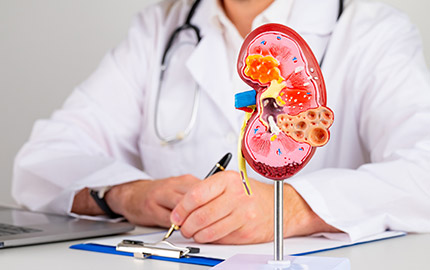

Kidney stones are a common yet painful health problem that can affect anyone at any age. Despite being small, these hard deposits of minerals and salts can cause excruciating pain and lead to complications if left untreated. Understanding kidney stone treatments and knowing when to seek medical care is crucial for effective management and long-term kidney health.
In this blog, we will explore the causes, symptoms, treatment options, and situations that warrant immediate medical attention.
What Are Kidney Stones?
Kidney stones are solid masses that form in the kidneys due to a buildup of minerals and salts, particularly calcium, oxalate, and uric acid. They vary in size from tiny grains that pass unnoticed in urine to larger stones that can block the urinary tract.
Factors contributing to kidney stone formation include:
- Dehydration: Not drinking enough water concentrates urine, making stone formation more likely.
- Dietary habits: High salt, sugar, and protein intake can increase the risk.
- Genetics: Family history of kidney stones may raise your susceptibility.
- Medical conditions: Conditions such as obesity, diabetes, and urinary tract infections can increase risk.
Symptoms of Kidney Stones
Recognizing kidney stone symptoms early is important for prompt treatment. Common symptoms include:
- Severe pain in the back, side, lower abdomen, or groin
- Painful urination or a burning sensation
- Blood in urine (hematuria)
- Frequent urge to urinate
- Nausea and vomiting
- Cloudy or foul-smelling urine
Pain often comes in waves, reflecting the stone’s movement through the urinary tract. However, smaller stones may pass without noticeable symptoms.
When to See a Doctor
While some kidney stones can pass naturally with proper hydration and home care, there are situations when medical attention is essential:
- Severe or worsening pain that does not improve with over-the-counter pain relievers
- Fever and chills, which may indicate an infection
- Persistent vomiting preventing hydration
- Blood in urine accompanied by pain
- Difficulty urinating or complete blockage of urine flow
Delaying medical evaluation in these cases can lead to complications, including kidney damage or infections.
Kidney Stone Treatments
Treatment depends on the stone’s size, type, location, and the severity of symptoms.
1. Conservative/Home-Based Treatments
For small stones, the first line of treatment often involves lifestyle and dietary changes:
- Hydration: Drinking plenty of water (2–3 liters daily) helps flush out stones.
- Pain management: Over-the-counter medications like ibuprofen can reduce pain.
- Dietary adjustments: Limiting sodium, animal protein, and oxalate-rich foods (e.g., spinach, nuts) can prevent further stone formation.
Sometimes, a doctor may prescribe medications to help pass stones more quickly by relaxing the ureter muscles.
2. Medical Procedures
If a stone is too large to pass on its own or causes complications, medical intervention may be necessary. Common procedures include:
- Extracorporeal Shock Wave Lithotripsy (ESWL): High-energy shock waves break stones into smaller pieces that can be passed naturally.
- Ureteroscopy: A thin scope is inserted through the urethra to locate and remove the stone.
- Percutaneous Nephrolithotomy: Surgical removal of large stones directly from the kidney through a small incision.
The choice of procedure depends on the stone’s size, type, and location, as well as the patient’s overall health.
3. Medications
Certain medications can help prevent specific types of stones:
- Allopurinol for uric acid stones
- Thiazide diuretics for calcium stones
- Potassium citrate to reduce acidity in urine and prevent stone formation
Doctors usually recommend these medications in conjunction with lifestyle changes.
For patients seeking specialized care in Bangalore, the best hospital for kidney stone treatment in Bangalore.
SSurocare Hospital, offers expert consultation, advanced treatment options, and a patient-centered approach to ensure quick recovery and long-term kidney health.
Preventing Kidney Stones
Prevention is always better than treatment. Key strategies include:
- Drinking enough water daily
- Reducing salt and sugar intake
- Eating a balanced diet with adequate calcium from food sources
- Limiting high-oxalate foods
- Maintaining a healthy weight and regular exercise
If you have a history of kidney stones, your doctor may also suggest periodic urine and blood tests to monitor risk factors.
When Complications Can Occur
Untreated kidney stones can lead to serious complications such as:
- Urinary tract infections
- Hydronephrosis (swelling of the kidney due to urine buildup)
- Chronic kidney disease in severe or recurrent cases
Recognizing these risks underscores the importance of timely medical evaluation and treatment.
Bottom Line
Kidney stones can be intensely painful, but effective treatments are available. Small stones may pass naturally with proper hydration and lifestyle adjustments, while larger or problematic stones often require medical procedures. Knowing when to see a doctor is critical—persistent pain, blood in urine, or signs of infection should never be ignored.
By staying hydrated, maintaining a balanced diet, and seeking prompt medical care when necessary, you can manage kidney stones effectively and reduce the risk of recurrence.
Understanding your options and taking proactive steps can make a significant difference in your kidney health and overall well-being.
Original Sources : – Understanding Kidney Stone Treatments: When to See a Doctor