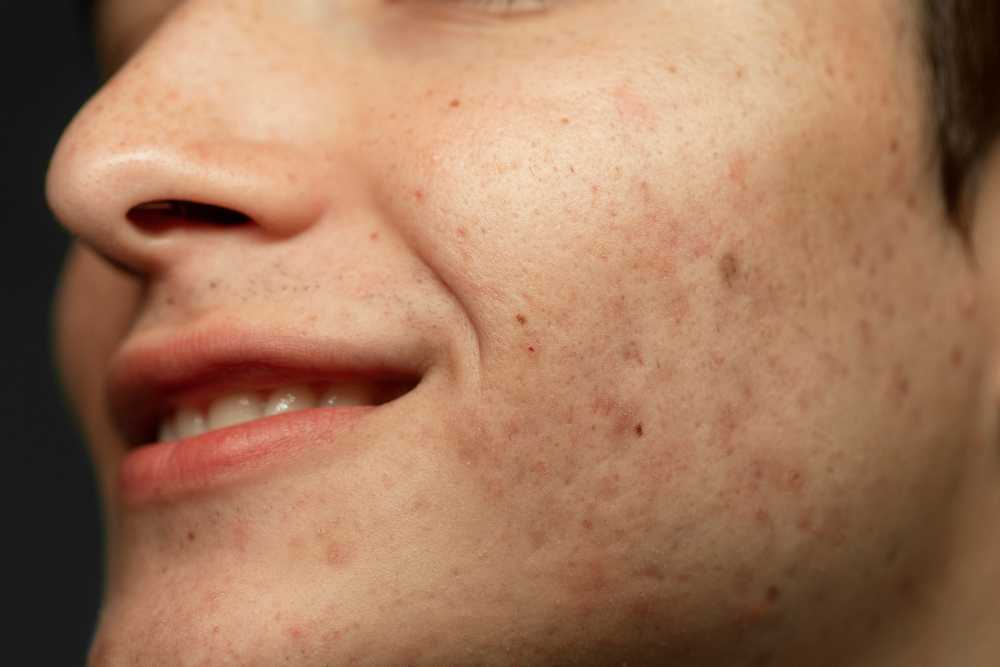

Pigmentation is one of the most common skin concerns, and almost everyone experiences it at some point. While it may look similar on the surface—dark patches, uneven skin tone, brown marks, or spots—the type of pigmentation you have can be very different. And that difference matters because each type needs a different treatment approach.
When you identify the right type of pigmentation, you choose the right products, ingredients, and routine. This helps you see faster and safer results. In this article, you will learn about the most common types of pigmentation, what causes them, how they look, and how you can identify the one you are dealing with.
What Is Pigmentation?
Pigmentation happens when your skin produces more melanin than usual. Melanin is the natural pigment that gives your skin its color. When certain areas produce excess melanin, the skin becomes darker in patches or spots. This is known as hyperpigmentation.
Different factors like sun exposure, hormones, acne, ageing, or injury can trigger extra melanin production. But the pattern, depth, and cause of pigmentation will decide the type you have.
Let’s explore each type in detail.
1. Sunspots (Solar Lentigines)
Sunspots are one of the most common forms of pigmentation. They appear due to long-term sun exposure and UV damage.
How They Look
Flat, round or oval brown spots
Usually appear on the face, neck, hands, shoulders, and upper back
Size may vary from tiny dots to larger patches
How to Identify
If you spend a lot of time in the sun or have a history of tanning, these spots are likely sunspots. They become darker when you stay outdoors without sunscreen.
Common Causes
UV radiation from the sun
Tanning beds
Long hours outdoors without protection
Best Treatments
Vitamin C
Retinol
Chemical exfoliation (AHA/BHA)
Daily sunscreen (most important)
2. Melasma
Melasma is a deeper pigmentation type that mostly affects women. It is often related to hormonal changes.
How It Looks
Large, patchy brown or greyish-brown areas
Common on cheeks, forehead, upper lip, and nose
Mostly symmetrical on both sides of the face
How to Identify
If you notice broad patches instead of small spots, and you experience hormonal changes (pregnancy, birth control pills, or thyroid imbalance), melasma is likely the reason.
Common Causes
Pregnancy (often called “pregnancy mask”)
Hormonal imbalances
Birth control pills
Sun exposure
Genetics
Best Treatments
Melasma needs gentle and long-term care:
Niacinamide
Tranexamic Acid
Alpha Arbutin
Azelaic Acid
Strict sun protection
Dermatologist treatments (peels or laser)
Avoid harsh exfoliants because melasma can worsen easily.
3. Post-Inflammatory Hyperpigmentation (PIH)
PIH appears after skin inflammation or injury. It is extremely common in people with acne-prone or sensitive skin.
How It Looks
Dark spots left behind after pimples
Brown, reddish, or purple marks
Not raised; only discoloration
How to Identify
If a pimple, cut, burn, or rash healed and left behind a dark mark, it’s PIH. It fades slowly but responds well to targeted skincare.
Common Causes
Acne
Skin picking
Rashes
Burns
Harsh scrubs
Allergies
Best Treatments
Salicylic Acid (for acne-prone skin)
Niacinamide
Vitamin C
Glycolic Acid
Retinol
Sunscreen
With consistent care, PIH fades faster than melasma.
4. Freckles
Freckles are tiny brown spots that appear naturally, especially in people with lighter skin tones.
How They Look
Small, light or dark brown dots
Scattered across cheeks, nose, shoulders
Darken during summer and lighten in winter
How to Identify
Freckles are usually present from childhood or teenage years. They are harmless and genetic.
Common Causes
Genetics
Sun exposure
Best Treatments
If you like your freckles, you don’t need to treat them. But if you want to lighten them:
Vitamin C
AHA exfoliants
Sunscreen
Laser treatments
5. Age Spots
Age spots appear as you get older, usually after age 40. They look similar to sunspots but are more common in ageing skin.
How They Look
Dark brown or black spots
Appear on face, hands, and areas exposed to sunlight
Often larger and darker than freckles
How to Identify
If you notice dark patches increasing gradually as you age, especially if you have a history of sun exposure, these are age spots.
Common Causes
Ageing
UV exposure
Slower skin regeneration
Best Treatments
Retinol
Vitamin C
Alpha Arbutin
Chemical peels
Sunscreen
6. Post-Inflammatory Erythema (PIE)
This is often confused with acne marks, but PIE is redness, not brown pigmentation.
How It Looks
Pink, red, or purple marks
Common after inflamed acne
Appears more on lighter skin tones
How to Identify
If your acne leaves behind red marks instead of brown ones, it’s PIE.
Common Causes
Inflammation
Acne picking
Sensitive skin
Best Treatments
Azelaic Acid
Centella Asiatica
Niacinamide
Gentle skincare
Sunscreen
Lasers work best for stubborn PIE.
Final Thoughts
Different types of pigmentation need different treatments. When you understand what type you have, you can choose the right ingredients and see visible results faster. Consistency is key, and sun protection is non-negotiable for every pigmentation type. With the right care, you can restore clarity, brightness, and confidence in your skin.
Read Also
Why Your Night Skincare Routine Matters More Than Your Morning Routine