
The path to a transformed silhouette begins long before you enter the operating room. A clinical consultation for Tummy Tuck Surgery in Dubai is a comprehensive diagnostic session designed to align your aesthetic goals with surgical reality. This meeting is not a sales pitch; it is a critical medical evaluation where your anatomy is mapped, your health history is scrutinized, and a bespoke surgical strategy is developed. Whether you are looking for a mini-tuck or a full reconstruction, the consultation serves as the foundation for a safe procedure and a predictable, high-quality outcome.
What Happens During the Physical Evaluation?
In clinical settings, we observe that the physical exam is the most vital part of the session, as it determines which technique will provide the most durable result.
The evaluation typically focuses on these key areas:
-
Skin Elasticity Assessment: Measuring the “rebound” of your skin to see if it can retract without surgery.
-
Muscular Diastasis Mapping: Palpating the midline to determine the width and severity of abdominal muscle separation.
-
Fat Distribution Analysis: Distinguishing between subcutaneous fat (which we can treat) and visceral fat (which requires weight loss).
-
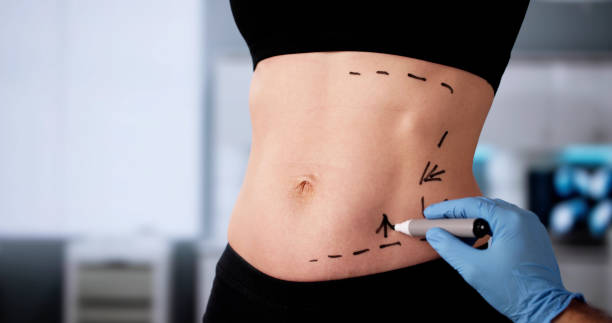
Incision Planning: Physically marking where the scar will sit relative to your natural skin folds and clothing preferences.
-
Photography for Analysis: Taking clinical “before” photos to assist in digital planning and surgical mapping.
Is Tummy Tuck Surgery in Dubai Consultation Necessary for Everyone?
Every patient’s anatomy is unique, making a face-to-face assessment a non-negotiable safety requirement.
How does the consultation ensure my safety?
Beyond aesthetics, the consultation is a deep dive into your systemic health. Your surgeon will review your previous surgical history, any chronic medications, and your history with anesthesia. In clinical settings, we utilize this time to screen for underlying issues like undiagnosed hernias or respiratory conditions that might require specialized care during the procedure. This transparency ensures that you are not just a candidate for a “flat stomach,” but a safe candidate for a major surgical intervention.
What are the Actual Pain Levels During the Consultation?
The consultation itself is entirely non-invasive and painless, though it requires a level of physical vulnerability.
What sensations should I expect during the exam?
Based on post-procedure follow-ups, patients describe the exam as a series of professional, clinical maneuvers. You will be asked to stand, sit, and “engage your core” or cough while the surgeon applies light pressure to your abdomen to feel the muscle wall. While there is no physical pain, you may feel a slight “pulling” sensation as the surgeon measures skin laxity. The goal is for you to leave feeling informed and empowered, rather than anxious about the process.
Realistic Timeline: From Consultation to Surgery
The gap between your first meeting and the actual surgery is a critical “optimization window.”
How soon can I schedule my procedure?
-
Initial Meeting: A 45-to-60-minute session to establish your surgical plan.
-
The “Cooling-Off” Period: We encourage at least 7 to 14 days of reflection to process the risks and recovery requirements.
-
Pre-Op Lab Work: Blood tests and cardiovascular screenings are usually performed 2 weeks before the surgery.
-
The Pre-Op Briefing: A final check-in to confirm the surgical markings and review your post-operative medication list.
-
Nicotine Clearance: If you are a smoker, your “surgery clock” only starts once you have been nicotine-free for at least 4 to 6 weeks.
Safety Considerations: Questions You Must Ask Your Surgeon
A consultation is your opportunity to “interview” your medical team. Your safety depends on their transparency and expertise.
What should you verify before booking your surgery?
-
Board Certification: Ensure your surgeon is specifically licensed in plastic and reconstructive surgery.
-
Hospital Privileges: Confirm where the surgery will take place and if the facility is fully accredited.
-
Recovery Protocol: Ask exactly who will be monitoring your healing and how many follow-up visits are included.
-
Complication Management: Inquire about the clinic’s protocol for managing issues like seromas or hematomas.
-
Anesthesia Details: Ask about the qualifications of the anesthesiologist who will be present in the room.
Why Choose Tajmeels Clinic for Your Consultation?
At Tajmeels Clinic, we believe that an educated patient is a safe patient. Our approach to Tummy Tuck Surgery in Dubai starts with a consultation that prioritizes medical integrity over aesthetic hype. Our surgeons provide a realistic, unvarnished look at what surgery can achieve and, more importantly, what it cannot. We use 3D imaging technology in some cases to help you visualize potential outcomes and ensure our surgical goals match your expectations. By choosing Tajmeels Clinic, you are starting your transformation with a team that values your trust, your health, and your long-term satisfaction.
Genuine Patient Perspectives
“I was so nervous, but the surgeon at Tajmeels was so professional. He didn’t just tell me I’d look great; he showed me exactly where the muscles were weak and where the scar would go. I felt like I was making a medical decision, not just a beauty one.” — Reem A.
“The consultation was eye-opening. I thought I needed a full tuck, but after the exam, the doctor explained why a mini-tuck was actually better for my body. Their honesty saved me from a more invasive recovery than I needed.” — Zayed S.
Frequently Asked Questions
Do I need to lose weight before my consultation?
You don’t need to be at your final weight, but being close to it helps the surgeon give you a more accurate surgical plan.
Can I bring a family member to the session?
Yes, we encourage patients to bring a support person to help remember the recovery details and ask questions.
Will I see “Before and After” photos of real patients?
Yes, during the consultation, your surgeon will show you a gallery of their previous work on patients with similar body types.
Is the consultation fee refundable?
In many cases, the fee is credited toward the cost of your procedure if you choose to move forward with the clinic.
What should I wear to my appointment?
Wear loose-fitting, comfortable clothing that is easy to remove, as you will need to change into a clinical gown for the exam.
How many consultations should I have?
It is common for patients to see 2 or 3 surgeons to ensure they find a specialist whoe approach and bedside manner they trust.