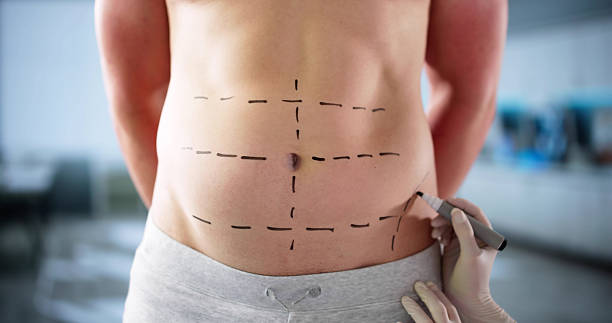

The success of a major surgical transformation is not solely determined in the operating theater; it is heavily influenced by the environment in which the body spends its first ten days of healing. For those undergoing a tummy tuck in Dubai, the home environment must transition into a specialized “recovery zone” that prioritizes low-impact movement and ergonomic support. In a high-standard clinical landscape, preparation involves more than just buying supplies; it is about engineering a space where the abdominal muscles can remain in a “zero-tension” state while the skin begins its biological bonding process. By organizing your living quarters to minimize stretching, reaching, and lifting, you can significantly reduce the risk of accidental suture strain. This guide explores the essential environmental protocols that turn a standard residence into a professional-grade recovery sanctuary.
A well-prepared home acts as a silent partner in your healing, providing the physical infrastructure necessary to protect your surgical investment during its most vulnerable phase.
Ergonomic Sleeping and Resting Stations
Since you will spend the majority of your first week in a semi-reclined position, the geometry of your resting area is the most critical factor for comfort.
Why Is a “Wedge Pillow” System Better Than Standard Pillows?
Standard pillows often shift, causing the torso to flatten and putting dangerous tension on the abdominal incision. We observe that a structured foam wedge system provides a consistent 30–45 degree incline for the back and a secondary bolster for the knees. This “V-shape” keeps the skin slack and ensures the internal muscle repair is never stretched during sleep.
How Should the Height of the Bed Be Adjusted for Safety?
The ideal bed height allows your feet to touch the floor comfortably while you are sitting on the edge. If the bed is too high, you risk straining your core while climbing up; if too low, the effort to stand up can pull on the internal sutures. Using a small, sturdy step stool can bridge this gap safely.
The “Arm’s Reach” Recovery Kit
The first few days are defined by limited mobility, making the organization of your immediate surroundings a vital component of a low-stress recovery.
-
Hydration and Nutrition Hub: Place a small bedside cooler with water, electrolyte drinks, and high-protein snacks. This prevents the need to walk to the kitchen every time you feel thirsty, allowing you to save your “walking energy” for your mandatory circulation laps.
-
Electronics and Logistics: Use extra-long charging cables for your phone and tablet, and keep all remote controls in a bedside caddy. Reaching behind a nightstand or stretching for a charger can cause sharp pain and mechanical stress on the newly redraped skin.
-
Hygiene and Comfort: Keep a supply of “body wipes,” dry shampoo, and a handheld mirror nearby. Since full showers are often restricted during the first few days while drains are in place, these items allow you to maintain personal freshness without excessive physical exertion.
Why Are Loose, Button-Down Clothes Necessary for the First Fortnight?
Pulling a shirt over your head requires significant arm elevation and core engagement, which can tug on the upper abdominal skin. We observe that front-opening garments, such as button-down pajamas or robes, allow you to dress and undress with zero strain on the midsection. This simple wardrobe choice protects the incision line from unnecessary friction and mechanical pulling.
How Does a “Grabber Tool” Prevent Post-Operative Complications?
A long-handled reaching tool allows you to pick up dropped items without bending at the waist. Bending forward or twisting to reach the floor is strictly forbidden during the first three weeks, as it puts immense pressure on the internal “corset” repair. Having a grabber tool ensures your independence while maintaining the mandatory “hunched” posture required for safe healing.
Bathroom Safety and Accessibility
The bathroom is the area where most accidental slips or strains occur, making it a priority for safety modifications.
-
Shower Chairs and Handheld Heads: If you are cleared for a sponge bath or a light shower, a shower chair prevents fatigue and dizziness. A handheld showerhead allows you to control the water flow, ensuring the abdominal binder and dressings remain dry until your surgeon gives the “all-clear.”
-
Raised Toilet Seats: Sitting down and standing up from a low toilet requires significant core strength. A temporary raised seat or “commode chair” reduces the distance your body has to travel, minimizing the engagement of the rectus abdominis muscles and protecting the internal permanent sutures.
-
Non-Slip Matting: Ensure the path to the bathroom is clear of rugs and that the floor is equipped with high-grip mats. Post-operative medications can affect your balance, making a slip-free environment the most important safety feature in your home during the first week.
What Role Does a “Drain Lanyard” Play in Personal Care?
If your surgery involves drains, a lanyard allows you to hang the drain bulbs around your neck while you are washing or moving. This prevents the bulbs from hanging freely and pulling on the insertion sites, which can be quite painful. We observe that keeping the drains secure and immobile is the best way to prevent localized skin irritation.
Why Is a Scheduled “Medication Log” Essential for Early Healing?
Managing pain and inflammation requires staying ahead of the “pain curve” by taking medications on a strict schedule. A physical log or a phone app prevents the confusion that can occur with post-operative “brain fog.” Keeping your pain well-managed allows you to perform your mandatory walking laps more effectively, which is vital for your circulatory health.
Social Proof: Real Patient Perspectives
-
“I thought I could just use regular pillows, but the wedge set was a game-changer. It kept me in that ‘bent’ position all night so I didn’t wake up with that scary pulling feeling in my stomach. It made the first week so much more bearable.” — Nadia
-
“The raised toilet seat felt like a bit much when I bought it, but after the surgery, I was so glad I had it. There was no way I could have sat down on my regular low toilet without hurting myself. It gave me a lot of my dignity back.” — Zaid
Why Partner with Tajmeels Clinic for a Guided Recovery?
Designing a safe and supportive home environment is a critical step in your transformation that requires professional guidance and clinical foresight. At Tajmeels Clinic, we provide our patients with a comprehensive “Home Preparation Guide” to ensure every detail of your recovery space is optimized for safety and comfort. Our expert surgeons and nursing staff are dedicated to your success, offering grounded advice on ergonomic setups and recovery logistics that protect your surgical results from the moment you leave the hospital. We provide a professional and empathetic environment where your post-operative needs are anticipated and addressed with medical precision. By choosing our specialized body contouring team, you are ensuring that your tummy tuck is supported by the highest standards of pre-operative planning and world-class care. We invite you to experience a secure and expertly managed transformation at Tajmeels Clinic.
FAQs
How long do I need someone to stay with me at home?
You will need a dedicated caregiver for at least the first 48 to 72 hours. They are essential for helping you in and out of bed, managing your medications, and ensuring you don’t overexert yourself. After the third day, most patients can manage basic tasks independently, provided their home is properly organized.
Can I go up and down stairs during the first week?
You should limit stair climbing as much as possible for the first 5 to 7 days. If your bedroom is upstairs, it is often better to set up a temporary recovery station on the ground floor. If you must use stairs, do so very slowly with a hand on the rail and assistance from a caregiver.
Is it safe to use a heating pad for back pain?
While your back may ache from the “hunched” walk, you must never use a heating pad on or near your abdomen. The skin is often numb after surgery, and you could suffer a severe burn without feeling it. If you use heat for your back, ensure it is far away from the surgical site and check the skin frequently.
When can I start doing light housework?
You should avoid all housework, including loading the dishwasher or doing laundry, for at least two weeks. These activities involve bending, lifting, and twisting, all of which are dangerous for your internal muscle repair. Focus entirely on resting and your short walking laps during this initial window.
Should I leave the lights on at night?
Yes, keeping a nightlight on in the hallway and bathroom is a simple but effective safety measure. Since you may be slightly groggy from pain medication, having a well-lit path for your nighttime bathroom trips prevents trips and falls, protecting your incision from sudden impacts.
What if I have pets or small children at home?
It is vital to have help with pets and children for the first two weeks. Small children should not be picked up, and pets should be kept away from your lap to prevent them from accidentally jumping on your stomach. Setting up a “barrier” or a dedicated quiet zone for yourself is the best way to ensure an undisturbed recovery.