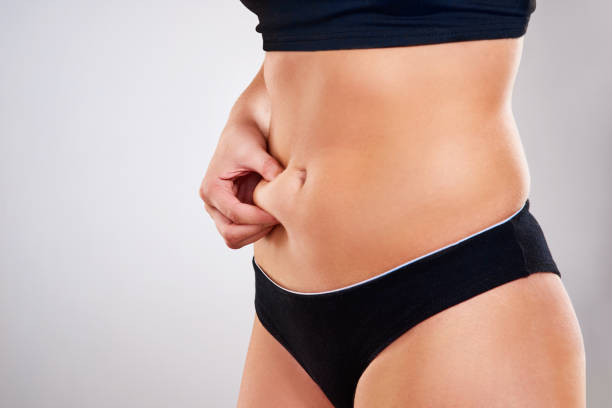

A Tummy Tuck in Dubai is often the crowning procedure for individuals who have achieved significant weight loss but are left with the “deflated” appearance of redundant skin. While many assume abdominoplasty is a weight-loss tool, it is actually a contouring surgery designed for those near their goal weight who struggle with structural laxity. In clinical settings, we observe that the most dramatic waistline transformations occur when the surgeon can address both the internal muscular spread and the external skin apron simultaneously. This guide clarifies the clinical benchmarks that determine who will achieve a “high-definition” result and who might need to wait.
What Defines the “Ideal Profile” for Abdominoplasty?
In clinical settings, we use specific physiological criteria to ensure the procedure is both safe and aesthetically successful.
The ideal candidates typically present with:
-
Stable Body Mass Index (BMI): Patients with a BMI under 30 see the most defined results and face the lowest risk of wound-healing complications.
-
Diastasis Recti: Individuals whose abdominal walls have “bowed out” due to pregnancy or massive weight fluctuations, creating a permanent protrusion.
-
Isolated Skin Laxity: Those with “crepey” or hanging skin that does not respond to core strengthening or non-invasive tightening treatments.
-
Realistic Expectations: Patients who understand that while the waistline becomes dramatic, the surgery involves a permanent, hip-to-hip scar.
-
Non-Smokers: Clinical safety requires patients to be nicotine-free for at least 4 to 6 weeks, as smoking severely restricts blood flow to the healing skin flap.
What are the Actual Pain Levels During the “Snatched” Transformation?
Is the pursuit of a dramatic waistline painful?
The surgical process itself is performed under general anesthesia, ensuring no sensation during the procedure. However, because a “dramatic” result often involves tight muscle plication (internal suturing), the post-operative period involves a feeling of intense pressure. Patients typically rate the soreness at a 6/10 during the first 72 hours. Based on post-procedure follow-ups, this is often described as feeling like “the world’s most intense sit-up workout.” This sensation is managed effectively through our clinical pain-management protocols and tapers off significantly by the end of the first week.
Real Patient Sensations: From “Loose” to “Locked-In”
The transition from having excess skin to a surgically tightened core involves a specific set of physical milestones.
What does the abdomen feel like after a Tummy Tuck in Dubai?
Immediately following surgery, the primary sensation is one of being “locked-in.” Because the muscles are tightened and the skin is pulled low, you will feel a physical limit to how much you can expand your midsection. In clinical settings, we find that by week three, the “tightness” begins to feel like “support.” Patients often report a newfound sense of core stability, finding it easier to maintain an upright posture. The “jiggle” of loose skin is replaced by a firm, flat sensation that becomes your new normal.
Comparison: Cosmetic Results vs. Clinical Necessity
| Candidate Concern | Cosmetic Goal | Clinical Solution |
| Lower Belly “Pouch” | Flat profile in clothes | Skin excision & fat removal |
| Wide Waistline | Hourglass “snatched” look | Internal muscle (fascia) tightening |
| Hanging Skin Fold | Eliminate rashes/discomfort | Panniculectomy (skin removal) |
| Separated Muscles | Improved core strength | Diastasis recti repair |
Who Should Postpone or Avoid This Procedure?
Who shouldn’t get a Tummy Tuck in Dubai for safety reasons?
Not everyone is a candidate for immediate surgery. In clinical settings, we observe that certain conditions make the procedure unsafe or the results unsustainable:
-
Future Pregnancy Plans: If you plan to have more children, the internal sutures will likely tear during gestation, undoing the waistline repair.
-
Active Weight Loss Phase: If you are still losing weight, your skin laxity has not yet “settled.” Waiting until you are stable for 6 months ensures the best outcome.
-
Chronic Health Conditions: Uncontrolled diabetes or significant heart disease can make the long recovery period dangerous.
-
Blood Clotting Disorders: Because mobility is limited in the first 48 hours, those with high VTE (venous thromboembolism) risk require extra clinical clearance.
Why Choose Tajmeels Clinic for Your Waistline Transformation?
At Tajmeels Clinic, we specialize in the “360-Degree Approach” to a Tummy Tuck in Dubai. We understand that a dramatic waistline isn’t just about the front of the stomach; it’s about the transition to the hips and back. Our surgeons often combine abdominoplasty with “Vaser Liposuction” to thin the fatty layers over the oblique muscles, creating a truly contoured, athletic appearance. We use advanced “tension-free” closure techniques to ensure your scar remains thin and discreetly placed. By choosing Tajmeels Clinic, you are entrusting your transformation to a team that balances high-impact aesthetic results with rigorous medical safety standards.
Genuine Patient Perspectives
“I had lost 50kg but I still looked ‘big’ because of the skin. After my tummy tuck at Tajmeels, I finally see the body I worked so hard for. The first week was a bit of a struggle with the tightness, but I’d do it again in a heartbeat. I actually have a waistline for the first time in my life.”
— Rashed
“Being a mother of four left my stomach muscles completely wrecked. I couldn’t even do a plank. Tajmeels didn’t just give me a flat stomach; they fixed my core. I feel strong again. The surgery was the best investment I’ve made in my health and my confidence.”
— Aisha
Frequently Asked Questions
Can a Tummy Tuck in Dubai remove visceral (internal) fat?
No. Abdominoplasty only removes subcutaneous fat and skin. Visceral fat around the organs must be managed through diet and lifestyle.
How much weight will I lose from the surgery?
Most patients lose between 2kg and 5kg of actual skin and fat, but the change in “inches” and clothing size is much more dramatic.
Is it possible to get a “snatched” waist without muscle repair?
If your muscles are already tight, skin removal alone can help, but for most post-pregnancy or post-weight loss patients, muscle repair is the key to a dramatic result.
What happens if my BMI is over 30?
In clinical settings, we may recommend a supervised weight-loss program before surgery to reduce the risk of infection and ensure a better aesthetic contour.
How long do I have to wait after a C-section?
We generally recommend waiting at least 6 to 12 months to allow the tissues to heal and for you to reach a stable weight.
Will the surgery fix my “muffin top”?
Yes, especially when combined with liposuction of the flanks, which is common in a full tummy tuck procedure.