
Tree pruning service is an essential part of maintaining healthy, safe, and visually appealing landscapes. Whether you own a home, manage commercial property, or maintain public green spaces, regular pruning ensures that trees grow in a controlled, safe, and sustainable way. Many people underestimate the importance of pruning, often assuming trees can thrive without intervention. However, without proper care, trees can become overgrown, weak, or even hazardous.
In this article, we will explore what tree pruning service is, why it matters, the different techniques used, and why hiring professionals is often the best choice for long-term tree health and safety.
What Is Tree Pruning Service?
Tree pruning service refers to the selective removal of branches from a tree. The goal is not just to cut random limbs but to improve the tree’s structure, health, and appearance. Professional arborists assess the tree carefully before removing dead, diseased, or overgrown branches.
Unlike simple trimming, pruning is a more strategic process that focuses on long-term growth. It involves understanding tree biology, growth patterns, and seasonal timing to ensure that cuts promote healthy regeneration instead of damage.
Why Tree Pruning Is Important
Tree pruning plays a vital role in maintaining both the health of the tree and the safety of the surrounding environment. Here are some key reasons why it is necessary:
1. Promotes Tree Health
Removing dead or diseased branches prevents decay from spreading to healthy parts of the tree. It also improves air circulation and sunlight penetration, which are essential for growth.
2. Enhances Safety
Overgrown or weak branches can fall unexpectedly, especially during storms or strong winds. Pruning reduces this risk, protecting people, vehicles, and property.
3. Improves Aesthetic Appeal
Well-pruned trees look more balanced and visually pleasing. This is especially important for gardens, parks, and commercial landscapes where appearance matters.
4. Encourages Fruit Production
For fruit-bearing trees, pruning helps increase yield by allowing better sunlight exposure and improving nutrient distribution.
5. Prevents Property Damage
Branches growing too close to buildings, power lines, or roofs can cause serious damage. Regular pruning helps avoid costly repairs.
Types of Tree Pruning Techniques
Different trees require different pruning methods depending on their condition, age, and purpose. Professional tree pruning services typically use the following techniques:
1. Crown Thinning
This involves selectively removing branches within the crown to increase light penetration and airflow. It helps reduce wind resistance and prevents storm damage.
2. Crown Raising
Crown raising removes lower branches to provide clearance for pedestrians, vehicles, or buildings. It is commonly used in urban environments.
3. Crown Reduction
This technique reduces the overall size of the tree while maintaining its natural shape. It is often used when trees grow too close to structures or power lines.
4. Deadwooding
Deadwooding focuses on removing dead, dying, or diseased branches. This improves safety and prevents decay from spreading.
5. Formative Pruning
Used mainly for young trees, formative pruning helps shape the tree’s structure early in its life, ensuring strong and balanced growth in the future.
When Is the Best Time for Tree Pruning?
Timing plays a crucial role in pruning effectiveness. While it can vary depending on tree species, general guidelines include:
- Late Winter or Early Spring: Ideal for most trees as they are dormant, reducing stress and sap loss.
- Summer: Useful for controlling excessive growth or correcting shape.
- Autumn: Usually avoided because cuts may heal more slowly, increasing the risk of disease.
Professional arborists can determine the best season based on the specific tree type and local climate conditions.
Benefits of Hiring a Professional Tree Pruning Service
While some property owners attempt DIY pruning, professional services offer significant advantages:
1. Expertise and Knowledge
Certified arborists understand tree biology and use proper techniques that prevent long-term damage.
2. Safety Assurance
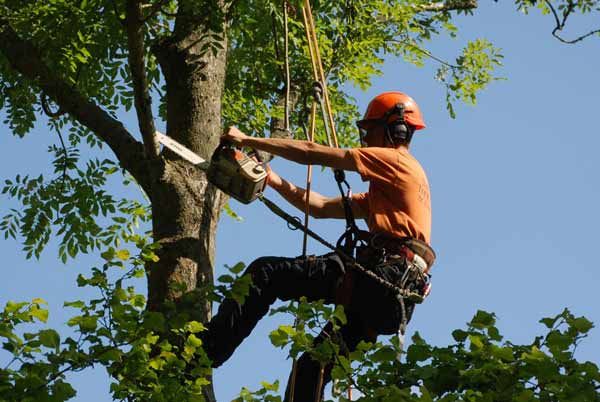
Pruning large trees involves working at heights and handling heavy branches. Professionals use safety equipment and follow strict procedures.
3. Proper Equipment
Professional services use specialized tools like pole saws, chainsaws, and climbing gear to ensure precise cuts.
4. Time and Cost Efficiency
Improper pruning can lead to tree damage or expensive repairs later. Professionals get the job done correctly the first time.
5. Disease Prevention
Experts can identify early signs of disease or pest infestation and take preventive action before it spreads.
Common Mistakes in Tree Pruning
Improper pruning can harm trees more than help them. Some common mistakes include:
- Over-pruning or removing too many branches at once
- Cutting branches too close to the trunk (causing wounds that do not heal properly)
- Using dull or incorrect tools
- Pruning at the wrong time of year
- Ignoring tree species-specific requirements
These mistakes can weaken trees, making them more vulnerable to disease and structural failure.
How Often Should Trees Be Pruned?
The frequency of pruning depends on the type and age of the tree:
- Young trees: Every 1–2 years for shaping and structure
- Mature trees: Every 3–5 years for maintenance
- Fast-growing species: May require more frequent pruning
Regular inspections can help determine when pruning is needed rather than following a strict schedule.
Environmental Benefits of Tree Pruning
Tree pruning is not only beneficial for individual trees but also for the environment. Healthy trees:
- Absorb more carbon dioxide
- Improve air quality
- Provide better shade and cooling effects
- Support biodiversity by creating healthy habitats
Proper pruning ensures trees continue to contribute positively to the ecosystem for many years.
Choosing the Right Tree Pruning Service
When selecting a tree pruning service, consider the following:
- Experience and certification of arborists
- Safety standards and insurance coverage
- Customer reviews and reputation
- Use of modern equipment and techniques
- Transparent pricing and service details
A reliable service provider will also offer consultation and tree health assessments before starting work.
Conclusion
Tree pruning service near you is a crucial aspect of landscape maintenance that goes beyond simple cutting. It ensures trees remain healthy, safe, and visually appealing while preventing potential hazards and property damage. Whether it is improving tree structure, increasing fruit production, or enhancing safety, regular pruning provides long-term benefits for both property owners and the environment.
Investing in professional pruning services is a smart decision that protects your trees and adds value to your property. Healthy trees not only enhance beauty but also contribute to a cleaner, greener environment.
FAQs
1. What is the difference between pruning and trimming?
Pruning focuses on improving tree health and structure, while trimming is mainly for controlling size and appearance.
2. Can I prune trees myself?
Small branches can be handled by homeowners, but large trees should always be pruned by professionals to avoid injury or damage.
3. How much does tree pruning service cost?
Costs vary depending on tree size, location, and complexity of work. Larger or more hazardous trees typically cost more.
4. Will pruning damage my tree?
When done correctly, pruning does not damage trees. In fact, it improves their health and longevity.
5. How long does it take for a tree to recover after pruning?
Most trees recover within a few weeks to a few months, depending on the season and extent of pruning.