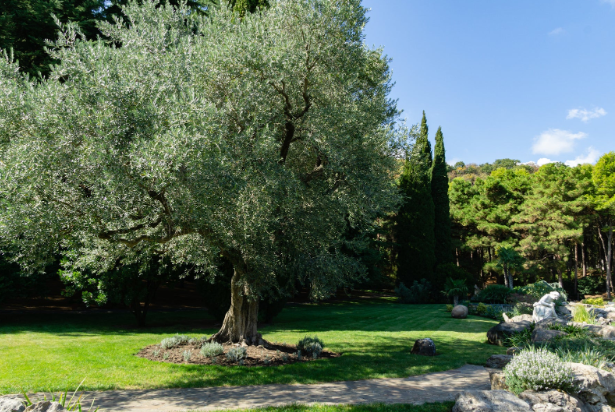

Creating a private and tranquil outdoor space begins with the strategic use of natural elements. Privacy trees provide an effective solution for shielding gardens, yards, and patios from unwanted views while enhancing the overall landscape aesthetics. These trees not only act as natural barriers but also improve air quality, provide shade, and contribute to local biodiversity. Selecting the right trees ensures year-round coverage and complements your garden design. With a wide variety of species available, homeowners can choose options that suit climate, soil conditions, and desired height, making it easier to achieve both functional and visual appeal in outdoor spaces.
Benefits of Privacy Trees
Incorporating privacy trees into your landscape offers multiple advantages. They create natural screens that block noise, wind, and unwanted views, enhancing the sense of seclusion in outdoor spaces. Beyond privacy, these trees contribute to environmental health by producing oxygen and supporting wildlife habitats. Certain varieties also provide seasonal beauty with flowers, fruits, or vibrant foliage. By planting these trees, homeowners can achieve a functional and attractive solution for open yards or property boundaries while fostering a more sustainable and eco-friendly environment.
Popular Types of Privacy Trees
Several species stand out as ideal privacy trees for residential landscapes. Evergreens such as Leyland cypress, Thuja Green Giant, and Italian cypress provide year-round coverage and maintain dense foliage. Deciduous options like hornbeam or beech trees offer seasonal charm with colorful leaves while still delivering moderate privacy. Fruit-bearing trees, including serviceberries or mulberries, can serve dual purposes by providing privacy while adding edible elements to the garden. Selecting the right species depends on space availability, soil type, and desired height, ensuring that trees thrive while meeting functional and aesthetic goals.
Fast-Growing Options for Quick Screening
For homeowners seeking immediate results, certain privacy trees grow rapidly, establishing a visual barrier in a short time. Species like Leyland cypress, Thuja Green Giant, and hybrid poplars are favored for their quick growth and dense foliage. These trees allow for faster screening, making them ideal for recently developed properties or areas requiring rapid coverage. While fast-growing species provide immediate benefits, proper care and regular pruning are essential to maintain health and shape. Choosing suitable trees ensures that growth aligns with landscape design without overwhelming the space.
Maintenance and Care
Maintaining privacy trees involves selecting the right planting location, providing adequate water, and monitoring for pests or diseases. Regular pruning helps maintain desired height and density while preventing overcrowding. Fertilization supports healthy growth and enhances foliage, ensuring that trees provide optimal screening. Additionally, understanding the specific needs of each species allows homeowners to address challenges promptly. Well-cared-for trees not only serve as effective barriers but also enhance the longevity and beauty of any landscape.
Environmental and Aesthetic Impact
Beyond functionality, trees significantly influence the visual and environmental appeal of a property. Strategically planted trees can create layered landscapes, add depth, and soften hardscape elements such as fences or walls. They provide shade that reduces soil temperature and helps conserve water. Trees also attract birds and pollinators, contributing to local biodiversity. By integrating privacy trees into design plans, homeowners achieve both ecological and aesthetic benefits, transforming ordinary yards into inviting, green retreats.
Conclusion
Choosing the right trees allows homeowners to create effective, natural garden screens while enhancing the beauty and value of their landscapes. These trees offer privacy, environmental benefits, and aesthetic appeal that grow over time. By selecting species suited to local climate and soil conditions, gardens can enjoy long-lasting greenery and functional coverage. For those seeking rapid results, planting the fastest-growing trees ensures a swift and effective way to establish privacy without compromising visual harmony or landscape health.