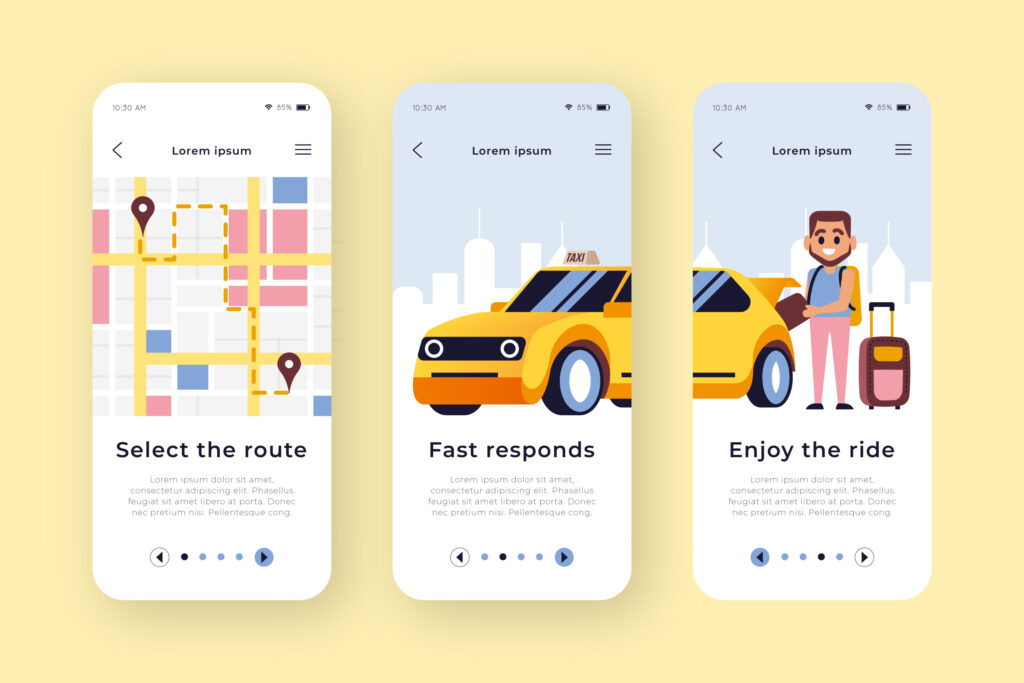

Choosing among many cab booking app development companies requires more than comparing prices or reviewing portfolios. The true value of a development partner lies in the features they can design, build, and maintain over time. A cab platform operates as a real-time system that connects riders, drivers, and administrators in a single digital environment.
Well-planned cab booking app features influence customer satisfaction, driver retention, and daily operational control. Before signing a contract, businesses should understand which capabilities are essential and which can provide long-term competitive strength.
Why Feature Planning Is Crucial Before Hiring Cab Booking App Development Companies
User expectations in modern cab apps
Users expect speed, clarity, and reliability. Booking a ride should take only a few taps. Fare estimates should be transparent, and payments should be completed without delay. These expectations have been shaped by established ride platforms, and new entrants are judged against that standard.
Cab booking app development companies must understand these expectations at the design stage. If features are added without considering user behavior, the result is confusion rather than convenience.
Competitive pressure in local and global markets
The mobility market is crowded. Even regional operators face competition from national or international players. This creates pressure to provide efficient service and dependable ride booking app technology.
A strong feature set helps smaller operators compete. Real-time tracking, automated dispatch, and digital payments are no longer optional. They are part of the baseline requirement.
Balancing innovation with usability
Advanced features can attract attention, but complexity can drive users away. Businesses should focus on tools that improve experience rather than overwhelm it. For example, predictive ride matching may be useful, but only if it operates smoothly in the background.
During discussions with cab booking app development companies, ask how they test usability. Feature planning should include user journey mapping and structured feedback loops.
Essential Rider App Features
Easy ride booking and fare estimation
The booking process should be direct and intuitive. Riders must be able to set pickup and drop locations quickly, often through map selection or saved addresses. Clear fare estimation before confirmation builds trust.
Fare calculation should consider distance, time, and local pricing rules. Accurate algorithms reduce disputes and support smooth operations.
Multiple payment options and digital wallets
Cashless payments are common in most urban markets. Riders expect support for cards, digital wallets, and sometimes local payment systems. Secure processing is essential to protect financial information.
Cab app development solutions should integrate trusted payment gateways and apply encryption standards. Failed payments or unclear billing create frustration and support requests.
Ride history and in-app support
Access to past rides helps users track expenses and resolve disputes. A well-designed ride history section includes dates, routes, fares, and driver details.
In-app support, such as ticket submission or chat assistance, reduces reliance on external call centers. This feature improves response time and strengthens customer confidence.
Important Driver App Features
Trip requests and navigation assistance
Drivers need a clear interface that displays incoming ride requests with essential details. Accepting or rejecting a request should be simple and immediate. Delays can result in lost rides.
Navigation assistance should integrate mapping tools with real-time traffic updates. A dependable cab dispatch system assigns rides based on proximity and availability, reducing idle time.
Earnings dashboard and incentives tracking
Transparency in earnings is important for driver satisfaction. The driver app should display daily, weekly, and monthly earnings along with completed trip details.
Incentive programs, such as bonuses for peak hours, must be visible within the app. Clear reporting reduces misunderstandings and builds trust between drivers and operators.
Driver verification and document management
Safety and compliance require proper verification. The system should allow drivers to upload licenses, insurance documents, and identification. Admin teams must be able to review and approve these documents efficiently.
Automated reminders for document renewal prevent service interruptions. This feature supports long-term regulatory compliance.
Admin Panel Features That Ensure Smooth Operations
Fleet and driver management tools
The admin panel acts as the control center of the platform. It should provide visibility into active rides, available drivers, and vehicle status. Operators must be able to suspend accounts, update driver profiles, and monitor performance.
These tools reduce manual work and allow quicker response to operational issues.
Pricing and commission configuration
Pricing structures may vary by region, time of day, or vehicle type. The admin system should allow flexible configuration without requiring code changes. This helps businesses adapt to market conditions.
Commission settings also need clear control. Adjusting percentages or introducing temporary discounts should be straightforward.
Analytics and reporting dashboards
Data helps operators make informed decisions. The admin panel should include reports on ride volume, revenue trends, driver activity, and customer feedback.
Structured reporting allows businesses to identify peak demand periods and adjust fleet availability. Good analytics are central to effective cab app development solutions.
Advanced Features That Set Apps Apart
AI-based ride matching and dynamic pricing
Advanced ride booking app technology can improve efficiency through intelligent ride assignment. Matching drivers and riders based on location, traffic, and predicted demand reduces waiting time.
Dynamic pricing adjusts fares during high-demand periods. When implemented carefully, it balances supply and demand while maintaining transparency.
In-app chat and emergency assistance
Direct communication between riders and drivers improves coordination. In-app chat avoids sharing personal phone numbers, which protects privacy.
Emergency assistance features, such as a visible SOS button, increase safety. These functions should connect users to local authorities or support teams when required.
Multi-language and multi-currency support
For platforms operating across regions, localization is important. Supporting multiple languages makes the app accessible to a broader audience. Multi-currency handling simplifies expansion into new markets.
These capabilities support growth without requiring a separate system for each region.
Conclusion
Selecting the right cab booking app development companies begins with clear feature planning. Rider convenience, driver efficiency, and operational control all depend on thoughtful design and reliable implementation.
Core features such as real-time tracking, secure payments, and structured admin tools form the foundation of a strong platform. Advanced capabilities can add differentiation when aligned with business goals. By focusing on practical functionality and long-term maintainability, businesses can build cab platforms that operate smoothly and scale with confidence.
Read Also: Top Trends Shaping Software Development in Cape Town in 2026