
Televisions today are more advanced than ever. From ultra-thin LED screens to smart TVs with built-in apps and internet connectivity, they have become a central part of modern entertainment. However, these advanced features also make TVs more sensitive to voltage fluctuations. Even small changes in power supply can affect performance or damage internal components. This is why choosing the right TV stabilizer is essential for protecting your device and ensuring long-term reliability.
A good stabilizer does more than just regulate voltage. It adds a layer of safety, improves performance, and helps your TV function smoothly in all conditions. If you are planning to invest in one, here are the top features you should look for.
Wide Input Voltage Range
One of the most important features of a stabilizer is its ability to handle a wide range of input voltage. In many homes, especially in areas with an unstable power supply, voltage can fluctuate frequently.
A stabilizer with a wide input range ensures your TV continues to operate even under low- or high-voltage conditions. It eliminates the need to switch off the device every time the voltage becomes unstable and provides uninterrupted viewing.
Automatic Voltage Regulation
The core function of any TV stabilizer is to regulate voltage automatically. This feature ensures that the output voltage remains stable, regardless of fluctuations in the input.
With automatic regulation, your TV receives a consistent power supply, which helps maintain picture quality, sound performance, and overall functionality. It also protects internal circuits from stress caused by sudden voltage changes.
Time Delay System
Power cuts are common in many areas, and the real challenge begins when electricity returns. Voltage levels are often unstable during this phase, which can be harmful to electronic devices.
A stabilizer with a time delay system prevents the TV from turning on immediately after power restoration. Instead, it waits for the voltage to stabilize before allowing the device to start. This protects sensitive components and enhances durability.
High and Low Voltage Cut-Off Protection
Extreme voltage conditions can cause serious damage to your TV. A good stabilizer should have built-in cut-off protection that automatically disconnects the power supply when the voltage goes beyond safe limits.
This feature acts as a safety mechanism, preventing overheating and protecting critical components such as the display panel and internal circuitry.
Surge Protection
Voltage surges, especially during thunderstorms or sudden power restoration, can be dangerous for electronic devices. These spikes can damage internal parts instantly.
A reliable TV stabilizer comes with surge protection that absorbs excess voltage and prevents it from reaching your TV. This ensures that your device remains safe even during unpredictable power conditions.
Digital Display and Indicators
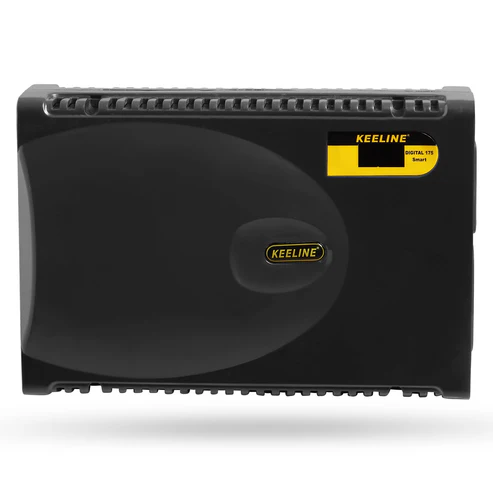
Modern stabilizers often include digital displays or LED indicators that show real-time voltage levels and operational status. This feature allows users to monitor power conditions easily.
With clear indicators, you can quickly identify if there is an issue with the power supply and take necessary action. It adds convenience and improves user experience.
Thermal Overload Protection
Continuous operation under fluctuating voltage can cause the stabilizer itself to heat up. A good stabilizer should include thermal overload protection to prevent overheating.
This feature automatically shuts down the stabilizer if it detects excessive heat, protecting both the stabilizer and your TV from potential damage.
Compatibility with Modern TVs
Today’s TVs come with advanced technology, including smart features and high-resolution displays. A good stabilizer should be compatible with all types of TVs, including LED, OLED, and smart models.
Choosing the right TV stabilizer ensures that your device receives appropriate voltage support without interfering with its performance.
Energy Efficiency
Energy efficiency is an important factor when selecting a stabilizer. A well-designed stabilizer should not consume excessive power while regulating voltage.
Efficient stabilizers help reduce electricity consumption and improve overall performance, making them a cost-effective choice for long-term use.
Durable Build Quality
Durability plays a crucial role in the effectiveness of a stabilizer. High-quality materials and robust construction ensure that the stabilizer can handle challenging power conditions.
A durable stabilizer provides consistent performance over time and requires minimal maintenance, making it a reliable investment.
Compact and Space-Saving Design
Modern homes require appliances that are both functional and space-efficient. Many stabilizers now come with compact designs that can be easily mounted on walls or placed near the TV.
This not only saves space but also keeps the setup organized and safe from accidental damage.
Easy Installation and User-Friendly Operation
A good stabilizer should be easy to install and operate. User-friendly designs ensure that you can set it up quickly without needing technical expertise.
Simple controls and clear instructions make it convenient for everyday use.
Conclusion
Choosing the right stabilizer is essential for protecting your television from voltage fluctuations and ensuring consistent performance. With advanced features like automatic voltage regulation, surge protection, time delay systems, and energy efficiency, modern stabilizers offer complete protection for your device.
A high-quality TV stabilizer not only safeguards your TV but also enhances its performance and extends its lifespan. By understanding these key features, you can make an informed decision and enjoy uninterrupted entertainment without worrying about power-related issues.