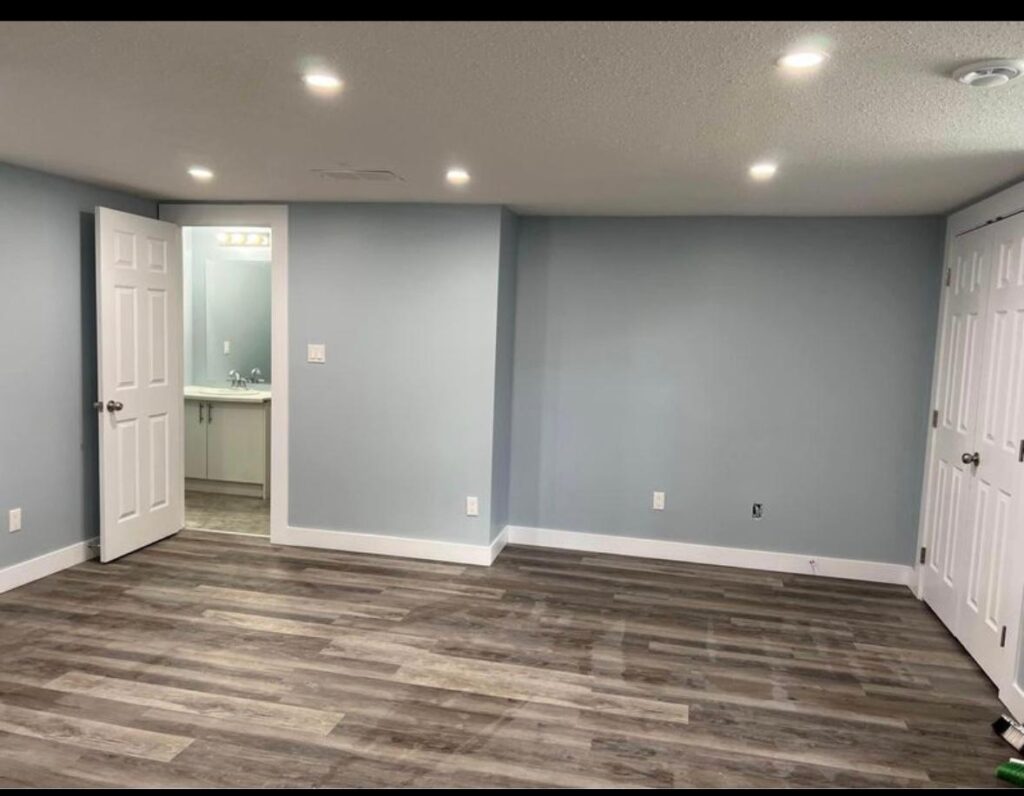

Achieving a flawless interior finish starts with mastering the essentials of drywall & painting. Whether you’re updating a single room or completing a full home renovation, the quality of your drywall work directly affects the final appearance of your space. Many homeowners overlook the importance of preparation, but experienced professionals understand that smooth walls and clean paint finishes come from proper technique, planning, and attention to detail. Working with a professional renovation contractor can further ensure your project meets high standards from start to finish.
Start with Proper Surface Preparation
A professional finish always begins with preparation. Even the highest-quality paint won’t hide poorly finished drywall. Before painting, ensure that all drywall seams are properly taped, mudded, and sanded.
Inspect the surface under good lighting to identify imperfections such as dents, ridges, or uneven joints. Running your hand across the wall can also help detect flaws that may not be immediately visible. Any imperfections left at this stage will become more noticeable after painting, especially with lighter colors or glossy finishes.
Clean the surface thoroughly to remove dust and debris. Drywall dust can prevent paint from adhering properly, leading to uneven coverage.
Choose the Right Drywall Finish Level
Not all drywall finishes are the same, and selecting the appropriate level is essential for achieving a smooth look. For most residential interiors, a Level 4 or Level 5 finish is recommended.
- Level 4: Suitable for standard painted walls with flat or matte finishes
- Level 5: Ideal for areas with bright lighting or high-gloss paint, as it provides an ultra-smooth surface
Investing in a higher finish level may increase upfront costs, but it significantly improves the final appearance of your drywall and painting project.
Use High-Quality Materials
The materials you choose play a major role in the durability and appearance of your walls. This includes joint compound, primer, and paint.
Opt for:
- Premium joint compound for smoother application
- High-quality primer to seal the drywall surface
- Durable, washable paint for long-term performance
Cheaper products may save money initially but often require additional coats or touch-ups, increasing overall costs and effort.
Don’t Skip Priming
Primer is a critical step in drywall and painting that should never be overlooked. New drywall is highly porous and will absorb paint unevenly if not properly sealed.
Applying primer helps to:
- Create a uniform surface for paint
- Improve paint adhesion
- Reduce the number of paint coats needed
For best results, use a primer specifically designed for drywall. This ensures consistent coverage and enhances the final finish.
Sand Between Coats for a Smooth Finish
Sanding is one of the most important steps in achieving a professional look. After applying joint compound, sand the surface lightly to remove imperfections and create a smooth base.
Use fine-grit sandpaper and avoid over-sanding, which can damage the drywall surface. After priming, a light sanding can also help remove minor texture inconsistencies before applying paint.
Always clean the surface after sanding to eliminate dust, which can interfere with paint application.
Select the Right Paint Finish
Choosing the correct paint finish is just as important as selecting the color. Different finishes highlight or hide imperfections to varying degrees.
- Matte or flat: Best for hiding imperfections on drywall
- Eggshell or satin: Offers a balance between durability and appearance
- Semi-gloss or gloss: Ideal for high-moisture areas but requires a near-perfect surface
For most living spaces, eggshell or satin finishes provide a smooth, professional look while being easy to maintain.
Use Proper Painting Techniques
Even with perfectly prepared drywall, poor painting techniques can ruin the final result. Applying paint correctly ensures even coverage and a polished appearance.
Key techniques include:
- Using high-quality rollers and brushes
- Applying paint in consistent, even strokes
- Maintaining a wet edge to avoid lap marks
- Working in manageable sections
Avoid overloading your roller, as this can cause drips and uneven texture. Multiple thin coats are always better than one heavy coat.
Pay Attention to Lighting Conditions
Lighting plays a significant role in how your drywall and painting work is perceived. Natural and artificial light can highlight imperfections that may not be visible under standard conditions.
Before finalizing your project, inspect walls under different lighting angles. This is especially important in rooms with large windows or bright overhead lighting. Adjustments can be made early to ensure a flawless finish.
Allow Adequate Drying Time
Rushing the process is one of the most common mistakes in drywall and painting. Each layer of compound, primer, and paint needs sufficient time to dry before the next step.
Follow manufacturer recommendations for drying times, and consider environmental factors such as humidity and temperature. Proper drying ensures better adhesion, smoother finishes, and longer-lasting results.
Address Repairs Before Painting
If you’re working on an existing wall, repairs should be completed before any painting begins. Cracks, holes, and dents must be properly filled and sanded to blend seamlessly with the surrounding surface.
Ignoring repairs will result in visible flaws that compromise the overall look of your project. Taking the time to fix these issues ensures a consistent and professional appearance.
Know When to Hire Professionals
While DIY projects can be rewarding, drywall and painting require skill and precision. Large-scale projects, complex repairs, or high-end finishes are often best handled by experienced professionals.
Professionals bring:
- Advanced tools and techniques
- Consistent workmanship
- Time efficiency
- Knowledge of best practices
Hiring experts can ultimately save time, reduce stress, and deliver superior results, especially for major renovations.
Final Thoughts
Achieving a smooth, professional finish with drywall and painting is a combination of proper preparation, quality materials, and skilled application. Every step, from surface preparation to final coat—plays a crucial role in the overall outcome.
By following these expert tips, you can avoid common pitfalls and create walls that not only look beautiful but also stand the test of time. Whether you choose to tackle the project yourself or hire professionals, understanding the process empowers you to make informed decisions and achieve the best possible results.