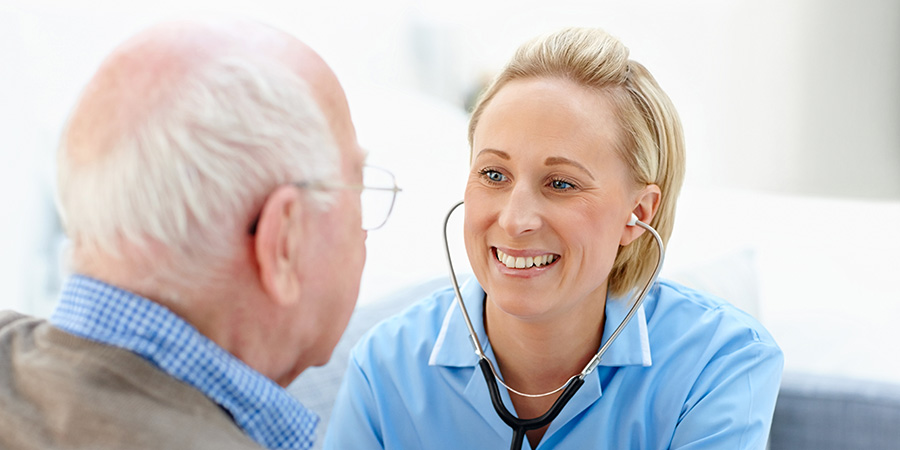

If you live in Enfield and are considering professional medical support at your doorstep, an Enfield Doctor at Home service can be a game-changer. Having a qualified doctor visit your home not only saves time but also provides personalized healthcare in the comfort of your living space. However, to make the most of these visits, preparation and the right tools are key. This guide offers practical tips and advice on maximizing the benefits of a home doctor visit and assembling essential home medical kits for your family.
Preparing for Your Home Doctor Visit:
Preparation is the foundation of an effective home doctor visit. Being ready ensures that the doctor can assess the situation efficiently and provide accurate advice. Before the doctor arrives, gather all relevant medical information such as previous prescriptions, a list of current medications, and any recent test results. Make sure that the area where the consultation will take place is clean, well-lit, and accessible. Communicating your primary concerns ahead of the visit can help the doctor prioritize the most pressing issues and save time during the consultation.
Communicating Your Symptoms Clearly:
Clear communication with your visiting doctor is essential for accurate diagnosis and treatment. Take note of your symptoms in advance, including when they began, how severe they are, and any triggers you may have noticed. Be honest and thorough when describing your condition, and don’t hesitate to mention lifestyle factors, allergies, or pre-existing health conditions. Using a symptom tracker or a notebook can help you provide precise details that may otherwise be forgotten in conversation, ensuring the doctor fully understands your health status.
Organizing Your Home Medical Kit:
A well-stocked home medical kit is crucial for managing minor illnesses and supporting your doctor’s recommendations. Every family should have a kit containing basic supplies that allow for immediate care when needed. Essential items include:
-
Thermometer for accurate temperature monitoring
-
Blood pressure monitor for tracking cardiovascular health
-
First-aid supplies such as bandages, antiseptics, and gauze
-
Pain relief and fever-reducing medications
-
Digital pulse oximeter for monitoring oxygen levels
-
Glucose meter if managing diabetes
-
Disposable gloves and face masks for infection control
Keeping these items organized in a dedicated container ensures that they are easy to access during emergencies or a doctor’s visit.
Ensuring Accessibility for the Doctor:
Providing easy access to the consultation area is vital for a smooth home visit. Ensure that furniture is arranged in a way that allows the doctor to move freely and assess the patient properly. Clear pathways and a comfortable seating arrangement can make examinations less stressful, especially for elderly or mobility-challenged patients. If you have any medical devices at home, such as oxygen tanks or mobility aids, ensure they are functioning properly and easily reachable during the visit.
Following Up on Prescriptions and Advice:
After the home doctor visit, it is important to follow through with the prescribed treatments and advice. This includes taking medications as directed, scheduling any recommended lab tests, and monitoring your symptoms. Keep a record of your recovery progress and note any changes in your condition. If symptoms worsen or new issues arise, contact your Enfield Doctor at Home service promptly. Consistent follow-up helps ensure that minor issues do not escalate into serious health problems.
Educating Family Members About Basic First Aid:
A home doctor visit is also an opportunity to educate family members on basic first aid and emergency procedures. Understanding how to manage minor cuts, burns, or fevers can reduce anxiety and prevent unnecessary hospital visits. You can create a small guidebook with instructions on using the home medical kit effectively. Additionally, teaching children and elderly family members about basic hygiene and safety practices complements the care provided by the visiting doctor and enhances overall household health.
Maintaining Hygiene and Sanitation:
Maintaining a hygienic environment is critical during home medical visits. Doctors need a clean space to perform assessments safely, and proper sanitation reduces the risk of infections spreading within your home. Regularly disinfect surfaces, wash hands before and after consultations, and keep your home medical kit clean. Simple measures like using disposable gloves and sanitizing medical instruments contribute significantly to safe healthcare practices at home.
Leveraging Technology for Home Healthcare:
Integrating technology into home healthcare can improve both convenience and effectiveness. Use mobile apps or digital health platforms to schedule appointments, share medical records, and track symptoms. Telemedicine tools can complement in-person visits, allowing the doctor to monitor your progress remotely. This combination of home visits and technology ensures that your health care remains continuous and personalized, even between appointments.
Updating Your Medical Kit Regularly:
A home medical kit is only useful if it is well-maintained and up-to-date. Regularly check expiration dates on medications and replace items that have been used or are no longer effective. Add specialized items if a family member has specific medical needs, such as allergy medications or asthma inhalers. Keeping the kit current ensures that you are prepared for both minor and moderate medical situations, enhancing the value of your home doctor visits.
Customizing Care for Children and Seniors:
Different age groups require tailored care, and home doctor visits can be especially beneficial for children and elderly family members. Pediatric kits may include teething gels, child-safe fever reducers, and gentle wound care supplies. For seniors, items like mobility aids, blood pressure monitors, and heart rate trackers are essential. Discussing these needs with your Enfield Doctor at Home ensures that the care plan is personalized, safe, and effective for every family member.
Final Thoughts:
Maximizing the benefits of a home doctor visit involves preparation, communication, and having the right medical tools at hand. An organized home medical kit, clear symptom tracking, and proper hygiene all contribute to a more productive consultation. By following these tips, families in Enfield can ensure that their Enfield Doctor at Home visit provides comprehensive, safe, and efficient healthcare. Remember, home healthcare is not just about convenience; it’s about creating a supportive environment that promotes wellness for everyone in your household.