
Thermal insulation materials play a crucial role in controlling heat flow across residential, commercial, and industrial environments. As energy efficiency and sustainability become central to modern design and operations, understanding insulation materials has never been more important. These materials help maintain stable temperatures, reduce energy consumption, and protect structures and equipment from thermal damage.
The demand for effective thermal insulation materia has grown significantly as industries and construction sectors aim to optimize performance while lowering operational costs. By limiting heat transfer, insulation materials create safer, more comfortable spaces and ensure that systems function efficiently even under extreme temperature conditions. Their importance extends far beyond comfort, influencing safety, durability, and long-term savings.
Understanding Thermal Insulation Materials
Thermal insulation materials are specifically designed to resist the transfer of heat. They work by reducing conduction, convection, and radiation, which are the primary ways heat moves from one area to another. Most insulation materials achieve this by trapping air or using structures with low thermal conductivity, making it difficult for heat to pass through.
These materials are widely used in walls, roofs, floors, pipelines, equipment, and industrial systems. The choice of insulation depends on factors such as operating temperature, environmental exposure, mechanical stress, and safety requirements. Selecting the right material ensures optimal performance and longevity.
Common Types of Thermal Insulation Materials
Several categories of insulation materials are commonly used across applications. Fibrous materials, such as mineral wool and glass wool, are popular in construction due to their fire resistance and sound-absorbing properties. These materials are flexible, easy to install, and effective in maintaining indoor comfort.
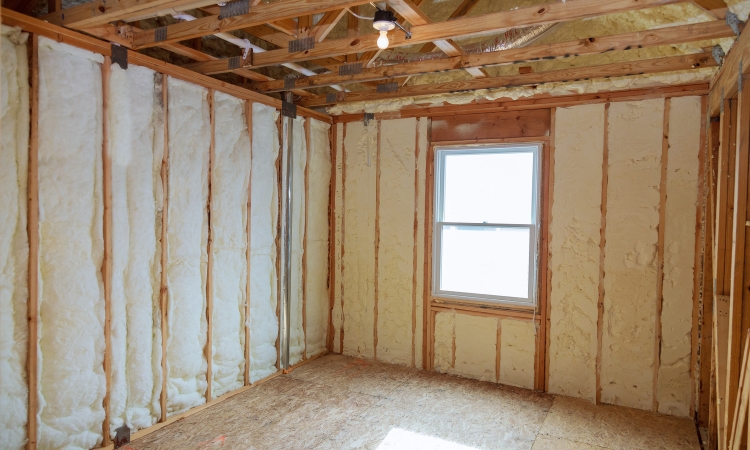
Foam-based materials, including rigid boards and spray foams, provide high thermal resistance with relatively low thickness. They are often used where space is limited or where seamless insulation is required. Reflective insulation materials are designed to reduce radiant heat transfer and are commonly applied in roofing systems and industrial settings.
Natural insulation materials are also gaining popularity due to their environmental benefits. Made from renewable resources, these materials support sustainable construction while offering effective thermal performance.
Industrial Applications of Insulation Materials
Thermal insulation materials are essential in industrial environments where temperature control directly affects productivity and safety. In manufacturing plants, insulation helps maintain consistent process temperatures, reducing energy waste and preventing equipment failure. Pipelines, boilers, furnaces, and storage tanks rely on insulation to minimize heat loss or gain.
In the oil and gas sector, insulation protects pipelines and processing equipment from extreme temperatures and environmental exposure. Power generation facilities use insulation to enhance efficiency and safeguard critical components. Chemical processing plants depend on insulation to maintain stable conditions and protect workers from heat-related hazards.
Benefits for Building Construction
In residential and commercial buildings, insulation materials contribute significantly to energy efficiency and occupant comfort. Insulated walls and roofs prevent heat from escaping during colder months and reduce heat penetration during warmer months. This minimizes the need for excessive heating or cooling, resulting in lower energy bills.
Insulation also enhances indoor comfort by eliminating drafts and maintaining consistent temperatures throughout the building. Additionally, many insulation materials provide soundproofing benefits, reducing noise pollution and creating quieter living and working environments.
Safety Advantages of Thermal Insulation
Safety is a critical benefit of using proper insulation materials. In industrial settings, insulation acts as a protective barrier that reduces the risk of burns and heat-related injuries. It shields workers from hot surfaces and helps maintain safe operating conditions.
In buildings, insulation can improve fire safety when fire-resistant materials are used. These materials slow down heat transfer and help prevent the rapid spread of flames. Insulation also reduces condensation and moisture buildup, lowering the risk of mold growth, corrosion, and structural damage.
Environmental and Sustainability Benefits
Thermal insulation materials play an important role in environmental protection. By reducing energy consumption, they lower greenhouse gas emissions associated with heating and cooling systems. Energy-efficient buildings and industrial facilities contribute to global sustainability goals by minimizing their carbon footprint.
Many modern insulation materials are designed with sustainability in mind. They may incorporate recycled content, be recyclable at the end of their life cycle, or require less energy to manufacture. Choosing sustainable insulation supports eco-friendly practices without compromising performance.
Long-Term Cost Efficiency
Investing in high-quality insulation materials delivers long-term financial benefits. Reduced energy consumption leads to consistent savings on utility bills, while improved temperature control extends the lifespan of buildings and equipment. Insulation also reduces maintenance costs by protecting structures from thermal stress and moisture damage.
Over time, these benefits outweigh the initial installation costs, making insulation a cost-effective solution for both residential and industrial applications. Properties with effective insulation often have higher market value due to their energy efficiency and comfort.
Conclusion
Thermal insulation materials are essential components in modern construction and industrial operations. They provide reliable temperature control, enhance safety, improve energy efficiency, and support sustainable practices. Choosing the right insulation material ensures long-lasting performance and meaningful cost savings.
For high-quality insulation solutions that meet industry standards and performance expectations, Amol Minechem Limited offers trusted materials designed for durability and efficiency. With the right insulation approach, businesses and property owners can achieve greater protection, comfort, and sustainability